Dryers & Boot Care
Hunting boot care and off-season storage
Most boots die in storage rather than in the field. UV, fuel fumes and being put away damp do more damage than a season of hunting does.
Belt & Bike earns a commission when you buy through our links, at no extra cost to you. Prices come from Amazon and change; the date beside every price is when we last verified it. Full disclosure.
Quick picks
| # | Product | For | Score | Price |
|---|---|---|---|---|
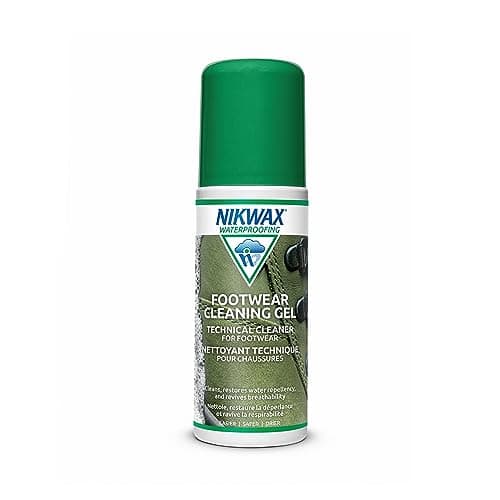
| Rank 1 | Nikwax Footwear Cleaning Gel The step everyone skips | All footwear materials (manufacturer) | 8.4 | $10.50Amazon |
| Rank 2 | 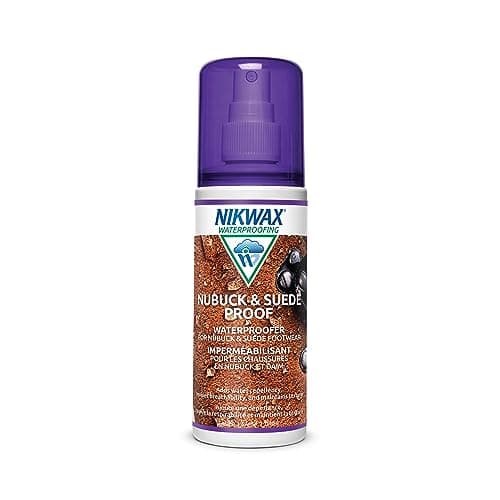 Nikwax Nubuck and Suede Proof Re-proofing nubuck and suede boots | Nubuck and suede leather | 8.4 | $10.92Amazon |
| Rank 3 | 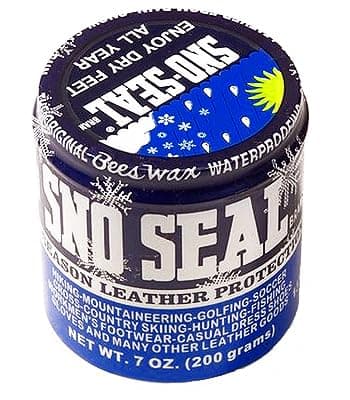 Atsko Sno-Seal beeswax, 7 oz Full-grain leather in hard conditions | Full-grain and oiled leather | 8.6 | $14.99Amazon |
| Rank 4 | 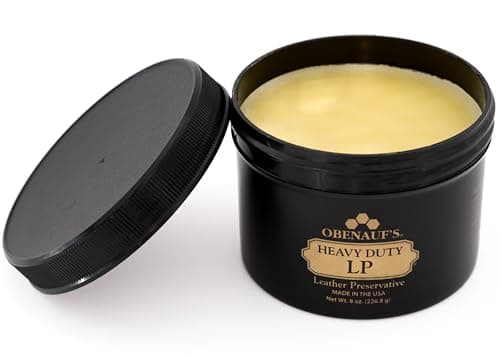 Obenauf's Heavy Duty LP Leather that lives in mud and water | Full-grain and oiled leather | 8.6 | $17.99Amazon |
| Rank 5 | 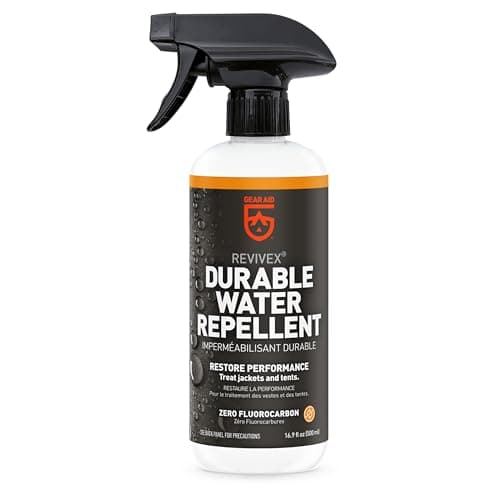 Gear Aid Revivex DWR spray Re-proofing synthetic uppers and gaiters | Synthetic fabrics and shells | 8.2 | $17.95Amazon |
| Rank 6 | 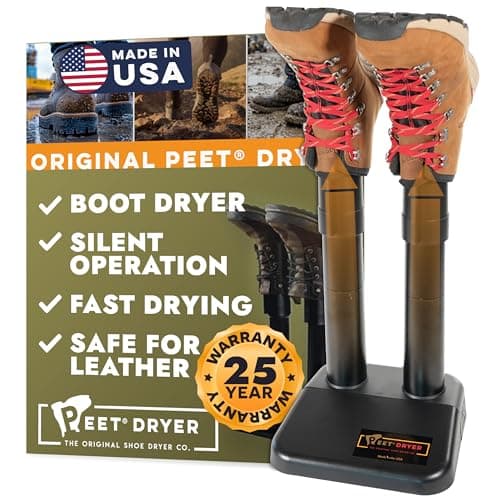 PEET Original 2-shoe dryer Silent overnight drying | Not published | 8.3 | $49.99Amazon |
#ad Prices come from Amazon and change. How this site is funded. Scores are our published editorial rubric — see our methodology.
A boot that is cleaned, dried and stored properly lasts years longer than the same boot thrown in a tote in a hot garage - and the difference costs about twenty minutes a season. Most boots are killed by storage, not by use.
The care products, matched to materials
A cleaner, a spray proofer, two waxes, a DWR for synthetics, and the dryer that underpins all of it.
#1 · The step everyone skips
#ad How we are funded · Price as of October 6, 2026
Nikwax Footwear Cleaning Gel
NikwaxCleaner, not proofer. Proofing over caked mud seals the mud in - this is the step that makes the proofer actually work.
| Type | Water-based cleaning gel |
|---|---|
| For | All footwear materials (manufacturer) |
| Membrane safe | Yes (manufacturer) |
| Volume | 125ml |
| Application | Sponge on wet boots (manufacturer) |
What it does well
- Removes the dirt that blocks both breathability and re-proofing
- Safe on leather, nubuck, synthetic and membrane boots alike
Where it falls short
- Does nothing for waterproofing on its own
- Easy to skip, which is exactly why boots stop repelling water
Our rubric
- Effectiveness
- 8.4
- Ease of use
- 9.2
- Durability
- 7.0
- Value
- 9.0
#2 · Re-proofing nubuck and suede boots
Nikwax Nubuck and Suede Proof
NikwaxA water-based proofer for nubuck and suede that does not clog a membrane the way a silicone spray can. The correct product for most leather hunting boots.
| Type | Water-based spray-on proofer |
|---|---|
| For | Nubuck and suede leather |
| Membrane safe | Yes, maintains breathability (manufacturer) |
| Volume | 125ml |
| Application | Apply to clean, wet boots (manufacturer) |
What it does well
- Water-based, so it does not seal a Gore-Tex boot shut
- Applies to wet boots, so you can treat them the evening you get home
Where it falls short
- Wrong product for full-grain leather or rubber - match the treatment to the upper
- Needs reapplying every few outings in hard conditions
Our rubric
- Effectiveness
- 8.6
- Ease of use
- 9.0
- Durability
- 7.0
- Value
- 9.0
#3 · Full-grain leather in hard conditions
#ad How we are funded · Price as of October 6, 2026
Atsko Sno-Seal beeswax, 7 oz
AtskoBeeswax worked into warm leather. The traditional treatment, the most durable water protection for full-grain, and the wrong choice for a breathable membrane boot.
| Type | Beeswax paste |
|---|---|
| For | Full-grain and oiled leather |
| Membrane safe | Reduces breathability (treat as non-membrane) |
| Volume | 7 oz |
| Application | Apply to warm, dry leather (manufacturer) |
What it does well
- The most durable water repellency here - weeks rather than outings
- Conditions the leather as well as sealing it
Where it falls short
- Reduces breathability, so do not use it on a Gore-Tex boot you walk hard in
- Darkens leather permanently
- Must go on warm leather, which means a hair dryer and some patience
Our rubric
- Effectiveness
- 9.2
- Ease of use
- 7.0
- Durability
- 9.0
- Value
- 9.0
#4 · Leather that lives in mud and water
#ad How we are funded · Price as of October 6, 2026
Obenauf's Heavy Duty LP
Obenauf'sA beeswax-and-propolis paste developed for wildland firefighters' boots. Heavier than Sno-Seal, and the longest-lasting leather treatment here.
| Type | Beeswax and propolis paste |
|---|---|
| For | Full-grain and oiled leather |
| Membrane safe | Reduces breathability (treat as non-membrane) |
| Volume | 8 oz |
| Application | Work into clean, dry leather by hand |
What it does well
- Penetrates deeper than a surface wax, so it conditions as well as seals
- Developed for boots that live in water and heat, and it shows
Where it falls short
- Darkens leather heavily and permanently
- Not for membrane boots or suede
Our rubric
- Effectiveness
- 9.4
- Ease of use
- 7.0
- Durability
- 9.2
- Value
- 8.8
#5 · Re-proofing synthetic uppers and gaiters
Gear Aid Revivex DWR spray
Gear AidA durable water repellent for synthetics rather than leather - the right product for nylon boot panels, gaiters and the shell of a pac boot.
| Type | Spray-on durable water repellent |
|---|---|
| For | Synthetic fabrics and shells |
| Membrane safe | Yes (manufacturer) |
| Volume | 10 oz |
| Heat setting | Heat activation improves durability (manufacturer) |
What it does well
- Restores water beading on nylon panels that wax cannot treat
- Also works on gaiters, which otherwise wet out and stay wet
Where it falls short
- Not a leather treatment - using it on full-grain wastes it
- Needs heat to set properly for best durability
Our rubric
- Effectiveness
- 8.2
- Ease of use
- 8.6
- Durability
- 7.2
- Value
- 8.8
#6 · Silent overnight drying
#ad How we are funded · Price as of October 6, 2026
PEET Original 2-shoe dryer
PEETNo fan, no noise: convection alone, running all night on about as much power as a nightlight. The default answer for a boot you take off at dark.
| Type | Convection, fanless |
|---|---|
| Capacity | 1 pair |
| Stated dry time | Overnight, 4 to 8 hours (manufacturer) |
| Power draw | Low-wattage, always-on design (manufacturer) |
| Noise | Silent |
Specifications per PEET Dryer published specifications.
What it does well
- Completely silent, which matters because it lives in a mudroom or a closet
- No moving parts to fail - the reason these last decades
- Gentle heat will not cook a membrane, a glue line or a leather upper
Where it falls short
- Slow. If you need boots dry in two hours, this is the wrong machine
- One pair only, so a family needs several
- No deodorizing function beyond simply drying
Our rubric
- Drying power
- 7.4
- Capacity
- 6.0
- Quiet
- 10.0
- Build
- 9.6
- Value
- 8.6
End-of-season routine
- Clean them properly. Knock off the dried mud, rinse cool, and use a footwear cleaning gel rather than detergent - detergents strip the oils in leather. Why cleaning first matters.
- Dry them completely, footbeds out, over two or three nights: how to dry hunting boots.
- Condition or proof, matched to the material. The table below.
- Replace what is worn - footbeds, laces, and liners in pac boots - now rather than the week before next season.
- Store them loosely, upright, cool, dark and breathing.
Match the treatment to the material
| Upper | Treatment | Never |
|---|---|---|
| Full-grain or oiled leather | Beeswax paste, worked into warm leather | Spray silicone, which does little here |
| Nubuck or suede | Water-based spray proofer | Wax - it mats the nap permanently |
| Leather with a Gore-Tex membrane | Water-based spray proofer | Wax or silicone, which block breathability |
| Nylon panels, gaiters | A DWR spray, heat-set per the directions | Wax, which does nothing on nylon |
| Rubber and neoprene | Nothing. Rinse and dry | Leather conditioners and oils |
What actually kills boots in storage
- UV. Sunlight degrades rubber, neoprene and synthetic uppers. A boot stored in a sunny window or on a south-facing porch cracks years early.
- Hydrocarbon fumes. Gasoline, two-stroke mix, solvents - rubber absorbs them slowly and they degrade it, and for a deer hunter they also ruin the boot's scent profile. Do not store boots next to a mower.
- Heat. An attic or a closed garage in summer regularly exceeds the temperature at which adhesives soften and leather dries out.
- Being put away damp. Mildew, delamination, and the smell that never leaves: the odor guide.
- Being crushed. A boot folded under heavier gear takes a permanent crease at the flex point, and that crease is where rubber eventually cracks.
How to store them
- Upright, with the shaft open. Knee boots want boot trees, rolled newspaper or a dedicated rack so the shaft does not fold over.
- Cool, dark and breathing. A basement, a cool interior closet or a shaded shed with ventilation. A tote with the lid *off* is fine; sealed is not.
- Away from fuel and the house. For deer hunting specifically, out of the laundry room too - scented detergents are absorbed just like gasoline.
- With an unscented absorbent inside if you are storing them for months.
- Laces loosened, so the eyelets and tongue are not under tension for six months.
The start-of-season check
- Flex the sole hard and look for cracks at the flex point, which is where rubber boots die.
- Check the footbed. If it is compressed or curled, replace it: the insole guide.
- Test water beading with a splash under a tap. If it soaks in, re-proof before the season rather than during it.
- Look at the stitching on welted boots, and get them resoled before the midsole goes rather than after.
- Wear them indoors for an hour before you hunt in them. Six months of storage stiffens leather.
Frequently asked questions
How should I store hunting boots in the off-season?
How do I take care of leather hunting boots?
Why did my rubber boots crack?
Should I condition boots before or after the season?
Can I store boots in a plastic tote?
Sources
Read next
Rubber Boots
How to waterproof hunting boots
Wax, spray or nothing - matched to full-grain, nubuck, synthetic and rubber, in the right order.
Dryers & Boot Care
How to dry hunting boots
The method, the safe fast version, and the five heat sources that ruin boots. Water does not kill footwear - heat does.
Dryers & Boot Care
How to get the smell out of hunting boots
Odor is bacteria metabolizing sweat, so it is a moisture problem. Remove the water, and skip the fragrance entirely.
Boot Fit & Sizing
Hunting boot insoles: what they fix and what they do not
Support, volume and warmth are three different jobs - and a support insole adds no warmth at all.
Dryers & Boot Care
The best boot dryers
Six dryers on drying power, capacity and noise - and the case that this is the best value purchase in hunting footwear.