Cold Weather Boots
Boot insulation grams by temperature
The table pairs every common gram rating with a temperature range for sitting still and a separate range for walking, because the same boot is right for one and wrong for the other.
Belt & Bike earns a commission when you buy through our links, at no extra cost to you. Prices come from Amazon and change; the date beside every price is when we last verified it. Full disclosure.
Quick picks
| # | Product | Insulation | Score | Price |
|---|---|---|---|---|
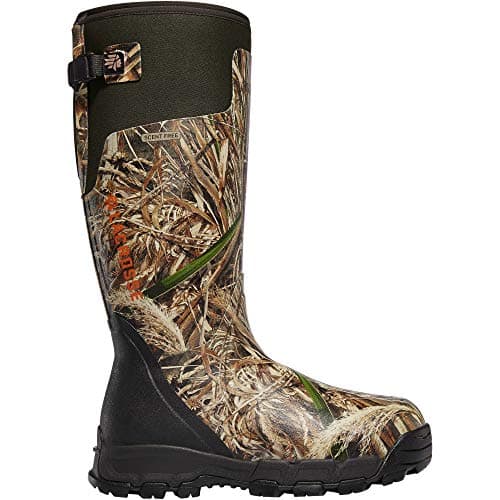
| Rank 1 | LaCrosse Alphaburly Pro 18-inch, 800g One boot for most of the season | 800g | 8.8 | $199.98Amazon |
| Rank 2 | 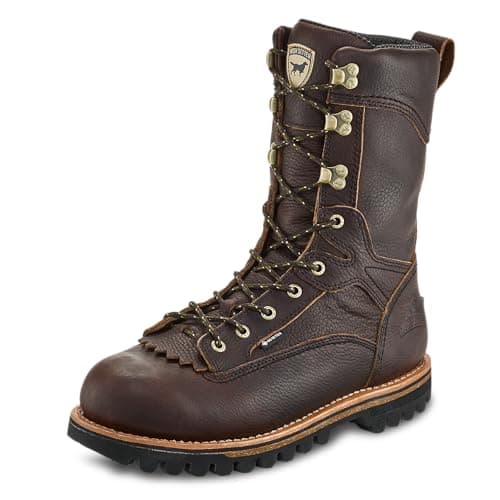 Irish Setter Elk Tracker 12-inch, 1,000g Cold-weather hunts that involve walking | 1,000g | 8.6 | $279.95Amazon |
| Rank 3 | 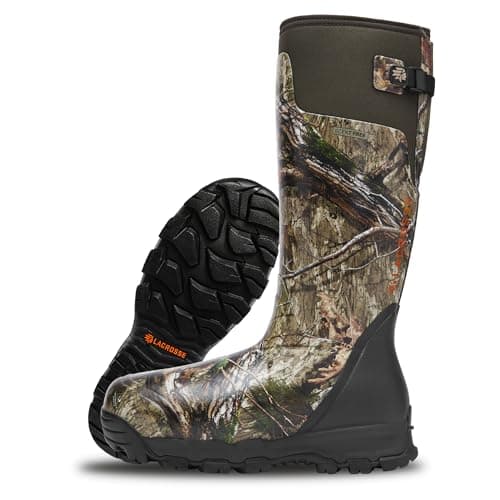 LaCrosse Alphaburly Pro 18-inch, 1,600g Sitting still in genuine cold | 1,600g | 9.0 | $199.98Amazon |
| Rank 4 | 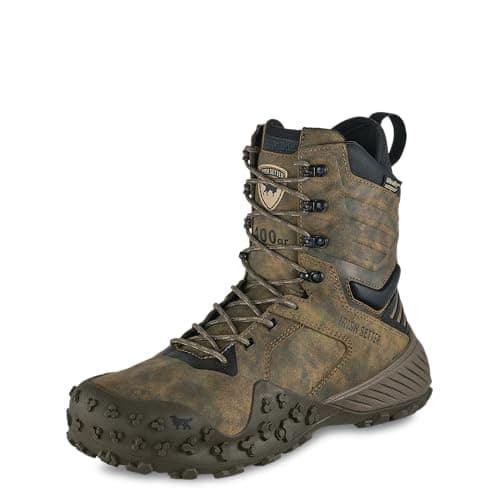 Irish Setter VaprTrek 8-inch, 400g Light miles in cool weather | 400g | 7.9 | $219.95Amazon |
| Rank 5 | 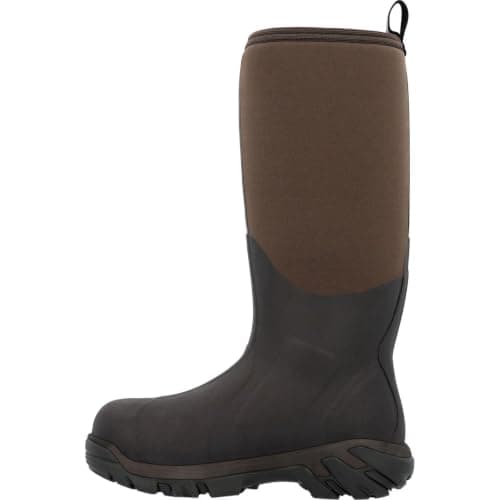 Muck Arctic Pro The coldest static sits | 8mm neoprene plus fleece | 8.6 | $131.25Amazon |
#ad Prices come from Amazon and change. How this site is funded. Scores are our published editorial rubric — see our methodology.
Here is the whole answer, and then the qualifications. Every other chart you will find online gives one temperature per gram rating. That is the mistake. The same 1,000g boot that is correct for sitting still at 20F will leave you colder at 30F if you walk a mile in it, because you will arrive at the stand with a liner full of sweat.
| Insulation | Sitting still | Walking | Typical boot type | What it is for |
|---|---|---|---|---|
| Uninsulated | Above 50F | Above 40F | Rubber knee boot, hiker | Early season, warm-weather water, scouting |
| 200g | 45-55F | 30-50F | Light leather lace-up | Cool-weather walking hunts |
| 400g | 40-50F | 25-45F | Leather lace-up | Early season, or cold-weather hunts with miles |
| 600g | 32-45F | 20-40F | Leather lace-up | The awkward middle - usually skip it |
| 800g | 25-40F | 15-35F | Leather or rubber | The one-boot answer for most of the country |
| 1,000g | 15-30F | Under 20F only | Leather lace-up, rubber | Cold stand hunting with a short walk in |
| 1,200g | 10-25F | Not recommended | Rubber pull-on | Cold stand hunting in rubber |
| 1,600g | Below 15F | Not recommended | Rubber pull-on | Long static sits in genuine cold |
| 2,000g+ | Below 0F | Not recommended | Rubber pull-on, pac boot | Extreme static cold |
| Removable liner pac boot | Below 0F | Not recommended | Pac boot | Extreme cold where you dry the liner nightly |
What a gram rating actually measures
It is a weight per unit area, not a temperature. An 800g boot has insulation weighing 800 grams per square meter of material. 3M publishes how Thinsulate is constructed - fine fibers that trap air in a smaller space than traditional batting - and boot makers publish how much of it they install. Nobody publishes a temperature, because the temperature depends on you.
Two consequences follow, and they are the two things people get wrong. First, a gram rating tells you nothing about the boot's quality - a poorly-fitted 1,600g boot is colder than a well-fitted 800g one. Second, grams do not compare across constructions: a 5mm neoprene Muck boot has no gram rating at all, and no manufacturer publishes a conversion.
Why the walking column is lower, not higher
This is the part that surprises people. You would think moving generates heat, so you need less boot - and that is exactly right. Walking produces heat *and* sweat. The sweat is the problem: a damp foot loses heat far faster than a dry one, and inside a waterproof boot that moisture has nowhere to go.
So the sequence that ruins hunts is: walk in wearing too much boot, sweat, sit down, and freeze faster than you would have in a lighter boot. If your hunt involves any real walking, drop one tier from where the temperature suggests and make up the difference with sock layering and a change of socks at the stand.
Pick your tier
Each tier has its own page with current picks and live prices
- 400gEarly season, or cold hunts where you cover ground. See the picks
- 800gThe widest usable window. Start here if unsure. See the picks
- 1,000gCold sits with a short walk in. See the picks
- 1,600gLong static sits in genuine cold. See the picks
A boot at each tier
One current pick per tier, so you can see what the gram figures look like in real boots. Prices are live and dated.
#1 · One boot for most of the season
#ad How we are funded · Price as of October 6, 2026
LaCrosse Alphaburly Pro 18-inch, 800g
LaCrosseThe same boot as the 1,600g with half the insulation, and for most hunters in most of the country it is the smarter buy: warm enough sitting down to about freezing, survivable walking in.
| Insulation | 800g |
|---|---|
| Shaft height | 18 in |
| Upper | Vulcanized rubber over neoprene |
| Calf fit | Adjustable back gusset |
| Liner | Removable EVA footbed |
Specifications per LaCrosse Footwear published specifications.
What it does well
- The widest usable temperature window of any boot here - roughly 20F sitting to 50F walking
- Same gusset, same rubber, same scent profile as the 1,600g version
- If you are buying one rubber boot and do not know your conditions, this is the one
Where it falls short
- Not enough boot for an all-day December sit in the north
- Still heavy for covering ground
Our rubric
- Warmth
- 8.2
- Waterproofing
- 9.4
- Fit
- 8.4
- Durability
- 9.0
- Value
- 9.0
#2 · Cold-weather hunts that involve walking
#ad How we are funded · Price as of October 6, 2026
Irish Setter Elk Tracker 12-inch, 1,000g
Irish Setter1,000g of insulation in a 12-inch lace-up leather boot: the combination that lets you cover ground in the cold without the sweat-then-freeze cycle a rubber pull-on forces.
| Insulation | 1,000g |
|---|---|
| Shaft height | 12 in |
| Upper | Full-grain leather |
| Waterproofing | UltraDry membrane (manufacturer) |
| Fit | Lace-up |
Specifications per Irish Setter published specifications.
What it does well
- Laces mean you can actually tension the boot to your foot, which is why it walks better than any pull-on
- 1,000g is the sweet spot for a boot you walk in and then sit in
- Leather takes a real conditioning treatment and lasts seasons longer than neoprene
Where it falls short
- Leather is not scent-free the way rubber is, and it absorbs whatever you walk through
- Needs breaking in, and the 12-inch shaft takes the longest to soften
- Water depth is limited to the top of the laces, so not a marsh boot
Our rubric
- Warmth
- 8.8
- Waterproofing
- 7.8
- Fit
- 9.2
- Durability
- 9.2
- Value
- 8.2
#3 · Sitting still in genuine cold
LaCrosse Alphaburly Pro 18-inch, 1,600g
LaCrosseThe default answer for a stand hunter below 20F: 1,600g of insulation in a scent-free rubber boot with an adjustable calf gusset, so it fits over a heavy sock and a thick calf.
| Insulation | 1,600g |
|---|---|
| Shaft height | 18 in |
| Upper | Vulcanized rubber over neoprene |
| Calf fit | Adjustable back gusset |
| Liner | Removable EVA footbed |
Specifications per LaCrosse Footwear published specifications.
What it does well
- The most insulation you can sensibly buy in a rubber boot, and rubber is the one upper that does not wet out
- The adjustable gusset is the reason this boot fits calves that defeat every other 18-inch pull-on
- Rubber is inherently scent-free, which matters more to deer hunters than most boot copy admits
Where it falls short
- Far too much boot for walking in. If you have a half-mile hike you will sweat, and then you will be cold anyway
- Heavy, and the weight is at the end of your leg where you notice it most
- No ankle support worth the name compared with a lace-up leather boot
Our rubric
- Warmth
- 9.6
- Waterproofing
- 9.4
- Fit
- 8.2
- Durability
- 9.0
- Value
- 8.6
#4 · Light miles in cool weather
#ad How we are funded · Price as of October 6, 2026
Irish Setter VaprTrek 8-inch, 400g
Irish SetterA deliberately light 8-inch boot with just 400g of insulation - the right spec for an early-season walk-in where the problem is weight and sweat, not cold.
| Insulation | 400g |
|---|---|
| Shaft height | 8 in |
| Upper | Leather and nylon |
| Waterproofing | UltraDry membrane (manufacturer) |
| Fit | Lace-up |
Specifications per Irish Setter published specifications.
What it does well
- Genuinely light for an insulated boot, which is the whole point of the model
- Breaks in faster than a full-leather 12-inch boot
Where it falls short
- 400g and an 8-inch shaft is not a cold-sit boot - read the spec and believe it
- Nylon panels wear faster than full leather in heavy brush
Our rubric
- Warmth
- 6.2
- Waterproofing
- 7.8
- Fit
- 9.0
- Durability
- 8.0
- Value
- 8.6
#5 · The coldest static sits
Muck Arctic Pro
Muck8mm neoprene plus a fleece lining, rated by Muck to -60F for static use. If your problem is a long December sit and nothing else, this is the category answer.
| Insulation | 8mm neoprene plus fleece |
|---|---|
| Temperature rating | -60F to 30F (manufacturer, static use) |
| Upper | Rubber over 8mm neoprene |
| Fit | Pull-on, stretch-fit topline |
| Reinforcement | Double rubber at heel and toe |
Specifications per Muck Boot Company published specifications.
What it does well
- The published rating is for static use, which is exactly how a stand hunter uses a boot
- Reinforced heel and toe survive brush and truck beds
Where it falls short
- Hopeless for walking - you will overheat in a quarter mile
- Tall, heavy and slow to dry once the fleece gets damp
Our rubric
- Warmth
- 9.8
- Waterproofing
- 9.0
- Fit
- 7.8
- Durability
- 8.6
- Value
- 8.0
The four variables the chart cannot include
- Your circulation. Some people run cold in a way no boot fixes. If you are one of them, the honest answer is heated insoles rather than another tier of insulation.
- Fit. Insulation traps air. A boot laced tight over a heavy sock has no air left to trap, and the pressure restricts blood flow too. Size for the sock you wear.
- Wind. An exposed platform twenty feet up is a different environment from the ground. The National Weather Service wind chill chart is the right reference for how much difference that makes.
- Whether the boot started dry. A liner that was still damp from yesterday puts you a tier down before you leave the truck. Dry them properly.
Where rubber changes the math
Rubber conducts heat away from your foot faster than leather does, and it cannot breathe at all. Practically, that means a rubber boot needs more insulation than a leather boot for the same conditions, and it is far less tolerant of a walk-in. That is why the rubber-specific gram ratings run higher (1,200g and 1,600g are common in rubber and rare in leather), and why knee-high rubber is a sitting-still category.
Frequently asked questions
Is 800 grams of insulation enough for deer hunting?
What is the difference between 400g and 800g insulation?
Is 1,000 gram insulation too much?
How many grams of insulation do I need for 20 degrees?
Does more insulation mean a warmer boot?
Can you compare neoprene thickness to insulation grams?
Sources
Read next
Cold Weather Boots
The best insulated hunting boots, by what you are doing in them
Five insulated boots from 400g to 1,600g, each matched to a temperature AND an activity level rather than ranked on warmth alone.
Cold Weather Boots
400 gram insulated hunting boots
400g is the walking hunter's rating, not the budget option - including in $500 mountain boots. Where it works and where it stops.
Cold Weather Boots
800 gram insulated hunting boots
The widest usable window on the chart, and the right default if you are buying one boot. Rubber and leather picks at 800g.
Cold Weather Boots
1000 gram insulated hunting boots
The cold-stand rating, and the heaviest insulation you can still walk in. Leather lace-ups at 1,000g plus the rubber options either side.
Cold Weather Boots
1600 gram insulated hunting boots
The most over-bought rating in hunting footwear - and the only right answer for a motionless sit below 15F.
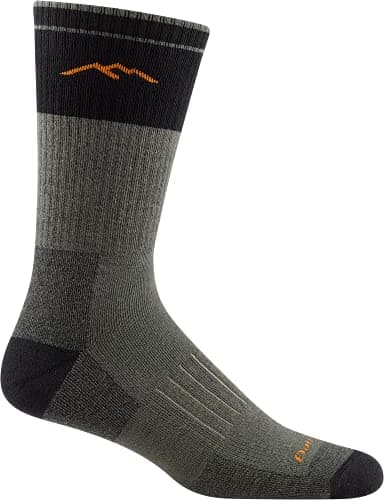
Boot Fit & Sizing
What size boot to buy over thick socks
Half a size for heavy wool, a full size with a liner - and why a tight boot is a cold boot.
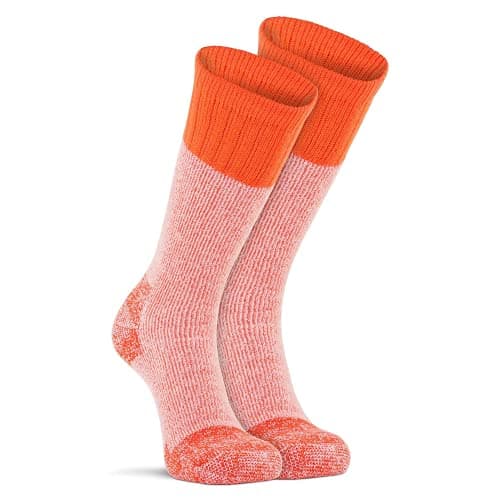
Hunting Socks
Sock layering for hunting: the stand swap
The most effective cold-feet technique there is, for the price of one extra pair of socks. The whole routine.