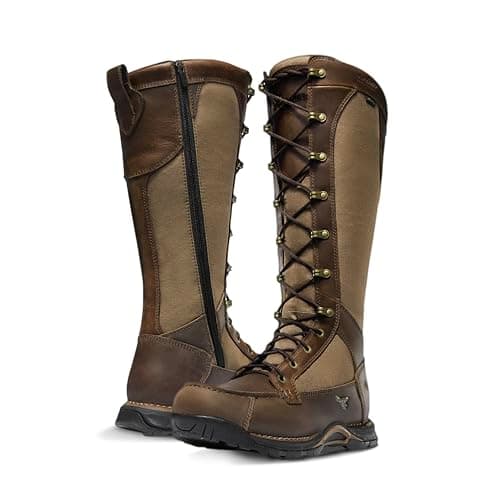
Best snake boots
The best snake boots for hunting
Six boots ranked on coverage and whether you will still be wearing them in August - which is what actually protects you.
Coverage height, construction and the honest state of the evidence. No boot is bite-proof, no standard certifies these claims, and we say so on every page.
Belt & Bike earns a commission when you buy through our links, at no extra cost to you. Prices come from Amazon and change; the date beside every price is when we last verified it. Full disclosure.
Ranked on the specifications below. Prices are live and dated; where no live price resolves, the cell reads Check price.
| # | Product | Height | Score | Price |
|---|---|---|---|---|
| Rank 1 | Danner Sharptail 17-inch Snake Boot All-day walking in snake country | 17 in | 8.7 | $359.95Amazon |
| Rank 2 | 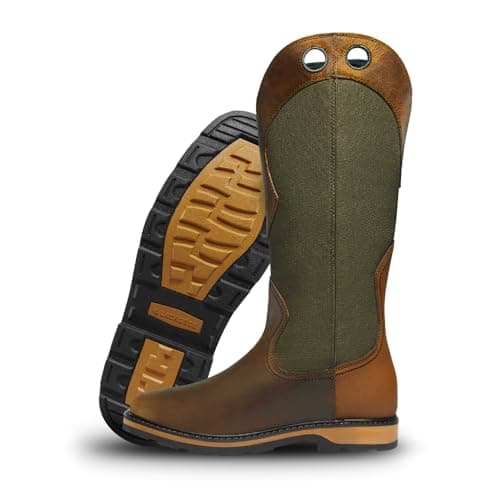 LaCrosse Snake 17-inch A straightforward leather snake boot | 17 in | 8.6 | $249.95Amazon |
| Rank 3 | 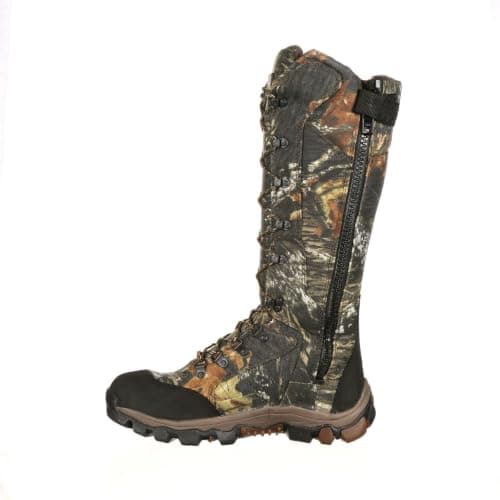 Rocky Lynx Snake Boot The value pick in leather snake boots | 16 in | 8.4 | $159.85Amazon |
| Rank 4 | 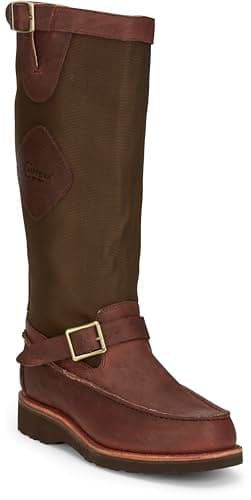 Chippewa Cutter 17-inch Snake Boot Lace-up Chippewa coverage | 17 in | 8.3 | $449.95Amazon |
| Rank 5 | 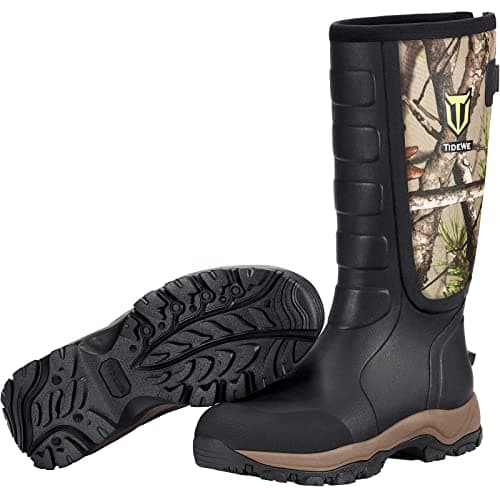 TIDEWE 16-inch snake boot Snake protection on the smallest budget | 16 in | 7.8 | $79.99Amazon |
#ad Prices come from Amazon and change. How this site is funded. Scores are our published editorial rubric — see our methodology.
Start with the sentence the marketing will not give you: no boot is bite-proof, and there is no independent standard that certifies snake protection. Every protection claim on this site - every one - is the manufacturer's own, and we label it that way. There is no ASTM rating for snake boots the way there is for steel toes. When a maker says a boot is snake-proof to 17 inches, that is their statement about their own product.
That is not a reason to skip them. A dense, puncture-resistant panel between a fang and your leg is obviously better than denim, and the bite statistics make the case for coverage: the CDC's occupational guidance for outdoor workers puts the lower leg among the commonest bite locations, and that is precisely the area a 17-inch boot covers. It is a reason to buy on construction and coverage rather than on a confident claim.
Pick coverage for your actual ground
The honest version of the height question: a taller boot covers more leg and is hotter, heavier and harder to get on. Most hunters who abandon snake boots do it because of the heat, not because the protection failed. Which means the right boot is the tallest one you will actually wear, and that is a different question from the tallest one made.
Gaiters are the unglamorous right answer for a lot of people. They cost a fraction of a snake boot, they go over the boots that already fit your feet, and they come off when you leave the snake ground. What they do not do is protect the boot itself, so a strike below the gaiter hem is on whatever you are wearing underneath.
| Snake boots | Snake gaiters | Snake chaps | |
|---|---|---|---|
| Protects | Foot and lower leg together | Lower leg only | Lower leg and thigh |
| Cost | Most expensive | A fraction of a boot | Between the two |
| Heat | Hot, all day | Hot across the calf only | Hottest - full leg |
| Fits your feet | Only if the boot's last suits you | Keeps the boots you already like | Keeps the boots you already like |
| Comes off when not needed | No | Yes, in seconds | Yes |
| Best for | Hunting snake country all season | Occasional snake ground | Thick brush where you are also fighting thorns |
The two comparisons that settle this for most people are snake boots against gaiters and snake boots against chaps.
Snake risk peaks in warm weather, and so does the misery of a 17-inch laminated boot. There are only three honest mitigations: a shorter boot, a boot specifically built as a warm-weather model, or gaiters you can take off. Snake boots for hot weather covers all three, and it is the page we would send a Southern turkey hunter to first.
Boots are not first aid. Public-health guidance is consistent and short: get to emergency care immediately, keep the limb still and below heart level, do not apply a tourniquet, do not cut or suction the wound, and do not apply ice. The CDC's page for outdoor workers is the plainest summary we have found and is linked in the sources below.
19 pages in this section. Roundup tiles carry the live price and a buy link for their top pick.
Best snake boots
Six boots ranked on coverage and whether you will still be wearing them in August - which is what actually protects you.
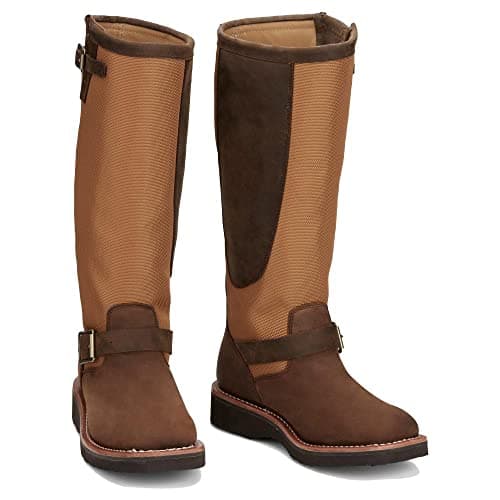
Best for women
The real problem is lasts, not protection. What is genuinely built for women, and when gaiters are the better buy.
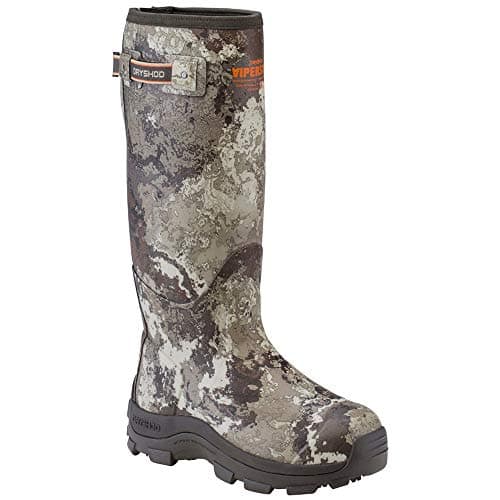
Best for hot weather
You need snake protection most in July, when a 17-inch laminated boot is punishment. Three honest ways out.
Best for hiking
Over distance, walkability outranks coverage. The two snake boots that genuinely walk, plus the gaiter alternative.
Best for big calves
No gussets in this category - so a side zip, a shorter shaft, or gaiters. Routed by your actual measurement.
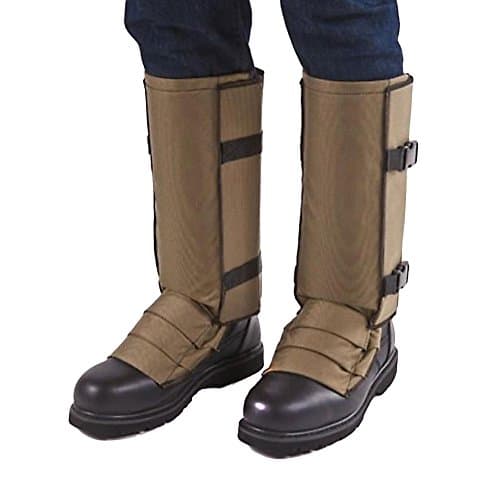
Comparison
Gaiters cost a fraction as much and come off when the ground changes. What they do not cover is the boot itself.
Comparison
Chaps are the only option covering above the knee - and mostly a brush product with a snake benefit.
Comparison
Plain rubber is not snake protection. What to do when you need water depth and coverage at the same time.
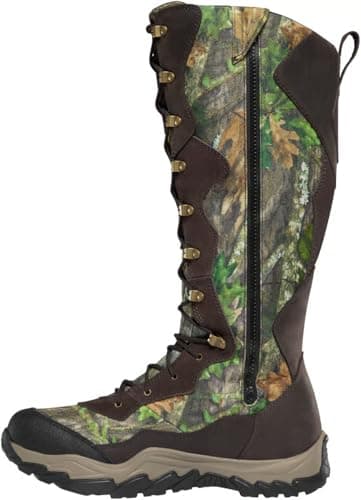
Coverage reference
Height is the only measurable thing in this category. What each one covers, and what ground justifies it.
Guide
A straight answer in the first paragraph: yes if you hunt snake ground, gaiters if you cross it, nothing if you do not.
Guide
No standard, no certification, no published test protocol. What is actually known and what follows from it.
Guide
Peak snake activity, warm weather, and you are sitting on the ground. The hardest combination in the category.
Guide
Where a lot of Southern hunters buy snake boots, what to check while you are there, and the sensible in-store-then-buy approach.
Review
The snake boot that walks like a hunting boot. Expensive, hot, and the one we recommend most often.
Review
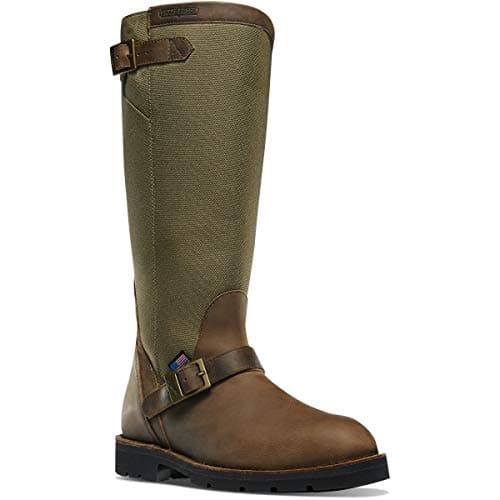
Danner's pull-on: on and off in seconds, and it cannot be tensioned to your foot. Who that suits.
Review
LaCrosse's two snake boots: the value lace-up at 17 inches, and the 18-inch side-zip built for turkey season.
Review
Half the premium price for comparable claimed coverage. The compromise is the platform, and an insole fixes most of it.
Review
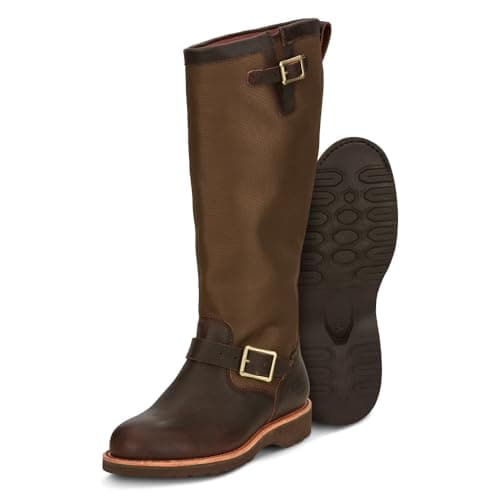
The only snake boot here you would expect to resole rather than replace. Heavy, expensive, and built to be kept.
Review
A quarter of the premium price for a comparable stated claim. What that buys, and what buyers report it costs.