Sizing reference
Hunting boot sizing guide
The sizing adjustment table, the five fit checks, and the two measurements shoe size tells you nothing about.
What size to order for the sock you actually wear, how to break a boot in without losing a hunt to blisters, and the fit problems nobody writes about.
Belt & Bike earns a commission when you buy through our links, at no extra cost to you. Prices come from Amazon and change; the date beside every price is when we last verified it. Full disclosure.
Ranked on the specifications below. Prices are live and dated; where no live price resolves, the cell reads Check price.
| # | Product | Widths | Score | Price |
|---|---|---|---|---|
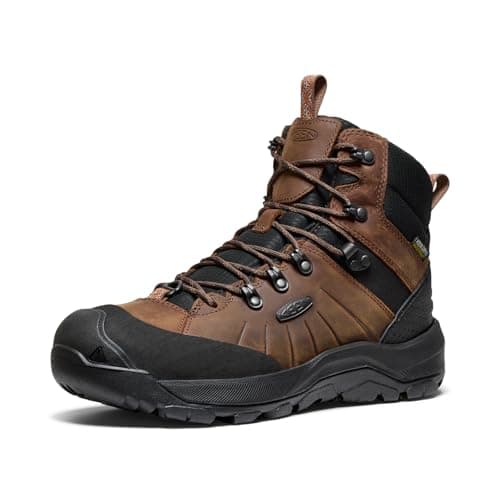
| Rank 1 | KEEN Revel 4 Mid Polar Wide feet in cold weather | Not published | 8.5 | $200.00Amazon |
| Rank 2 | 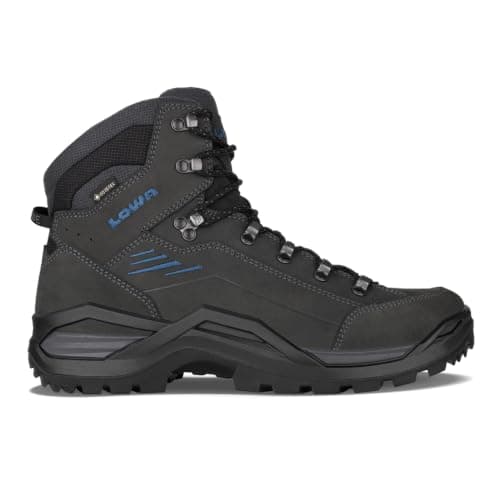 Lowa Renegade EVO GTX Mid Wide-ish feet that need a hiker | Standard and wide offered | 7.6 | $279.95Amazon |
| Rank 3 | 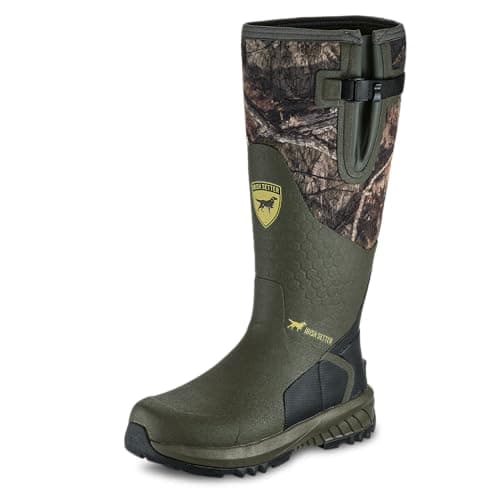 Irish Setter MudTrek 17-inch A full-fit rubber boot that walks | Standard and wide offered | 8.3 | $199.95Amazon |
| Rank 4 | 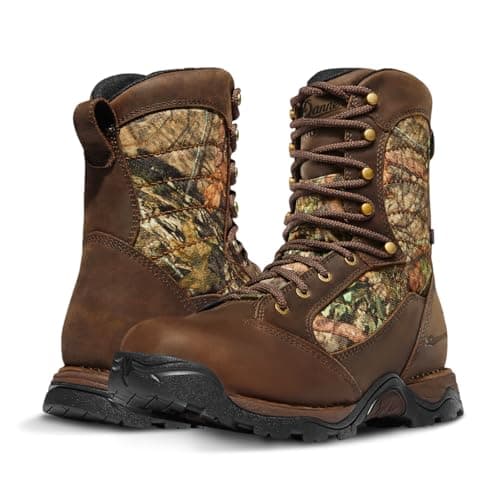 Danner Pronghorn 800g All-day walking in the cold | Not published | 8.7 | $244.67Amazon |
| Rank 5 | 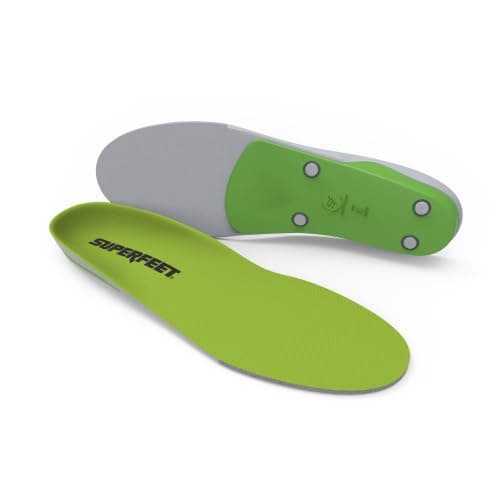 Superfeet All-Purpose High Arch High arches and heel pain | Not published | 8.2 | $59.95Amazon |
#ad Prices come from Amazon and change. How this site is funded. Scores are our published editorial rubric — see our methodology.
This is the most neglected subject in hunting footwear, and it is the one that ruins the most hunts. Of eleven competitor sites we read while researching this project, not one covered break-in at all - which is remarkable, because a new boot and a five-mile walk is how people end a hunt on day one.
Fit also drives warmth, which is the connection almost nobody makes. Insulation works by trapping air. Lace a boot tight over a thick sock and there is no air left to trap, and the pressure restricts circulation on top of that. A boot that is too tight is a cold boot, whatever the gram rating says.
Measure your foot, then order for the sock. The rule most fitters use: a heavyweight wool sock takes roughly half a size, and a heavyweight sock plus a liner takes a full size. Going up a full size for a midweight sock is the commonest overshoot, and a boot that is too big heel-slips and blisters just as reliably as one that is too small.
| What you will wear | Size adjustment | Check this |
|---|---|---|
| A single midweight sock | True to size | Thumb's width in front of your longest toe |
| A heavyweight wool sock | Up half a size | You can still wiggle your toes freely |
| Heavyweight plus a liner | Up a full size | Heel does not lift when you walk uphill |
| A heated insole as well | Up a full size, and check width | The insole does not raise your instep into the laces |
The full process, including how to measure at the right time of day and what to check on the walk-around, is in the hunting boot sizing guide. If your socks are the variable, what size boot over thick socks answers it directly.
A leather boot takes two to four weeks of that. A stiff mountain boot can take longer. How to break in hunting boots has the detail, and how long it takes gives honest ranges by boot type. Rubber pull-ons barely break in at all, which is a genuine advantage of the category.
Almost every boot ships with a die-cut foam insole that is there to fill the box. Replacing it is the cheapest meaningful upgrade in hunting footwear: a structured insole controls heel pain and arch fatigue, and it also tunes volume, which fixes a boot that is slightly too roomy. What an insole does not do is add warmth - a near-universal misconception. See the insole guide and the liner guide.
Elk, mountain and long-mileage hunting roundups sit in this hub rather than under temperature, because for those hunts the problem is fit, support and miles rather than cold: elk hunting boots, mountain hunting boots and hunting boots for hiking. If you are deciding whether a hiking boot will do at all, hunting boots against hiking boots is the honest comparison.
16 pages in this section. Roundup tiles carry the live price and a buy link for their top pick.
Sizing reference
The sizing adjustment table, the five fit checks, and the two measurements shoe size tells you nothing about.
Index
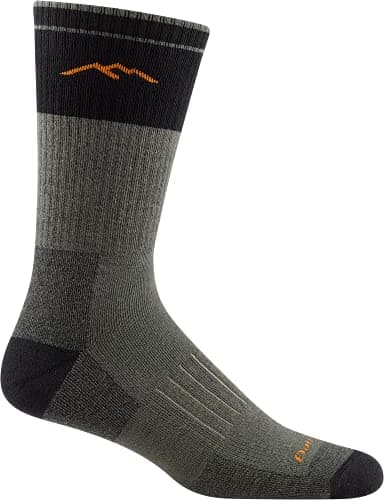
Half a size for heavy wool, a full size with a liner - and why a tight boot is a cold boot.
Guide
Four stages over two to four weeks, in order - plus the five break-in shortcuts that damage boots.
Guide
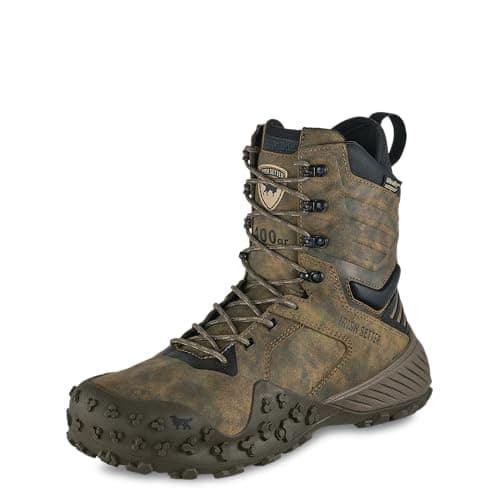
Honest ranges by construction, why shanked boots take six weeks, and how to tell break-in from a bad fit.
Guide
Four sources, one diagnosis routine, and fixes that are mostly free - plus the remedies to keep away from a hunting boot.
Guide
Support, volume and warmth are three different jobs - and a support insole adds no warmth at all.
Guide
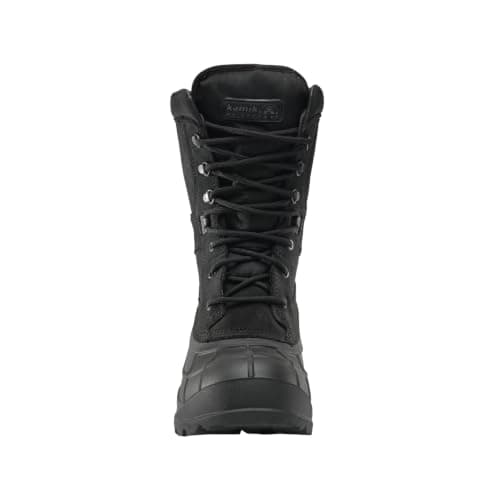
A liner you can take out is the only way to dry a boot overnight without a dryer - and it is replaceable when it compresses.
Best for wide feet
Width and length are independent, and sizing up fixes neither. The boots that come in a genuine wide.
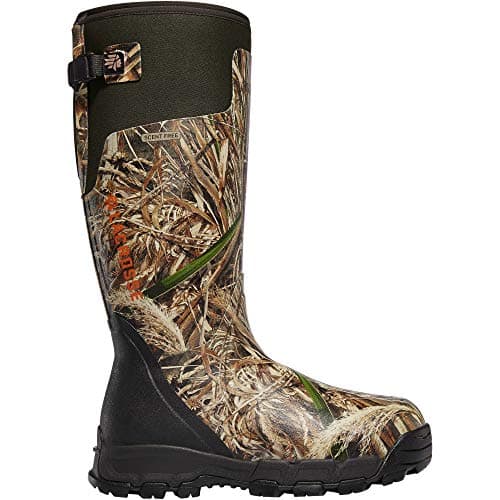
Best for big calves
Laces adjust, pull-ons do not. Gussets, side zips and the measurement that routes the whole decision.
Best insoles
The cheapest real upgrade in hunting footwear, as long as you buy for the right job of the three.
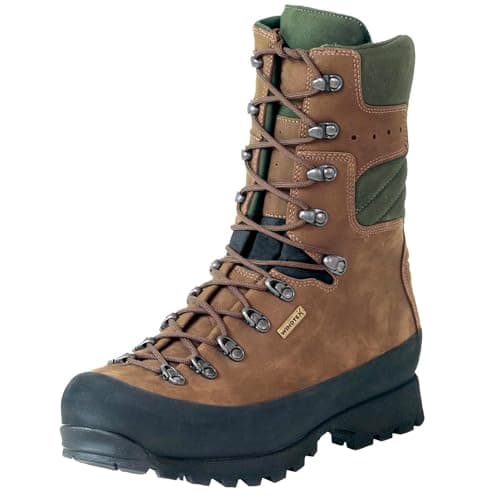
Best for elk hunting
A mileage problem, not a temperature problem. Shanks, modest insulation, and a break-in that starts in July.
Best mountain boots
The one category where price tracks capability. What a $500 boot does structurally that a $200 boot cannot.
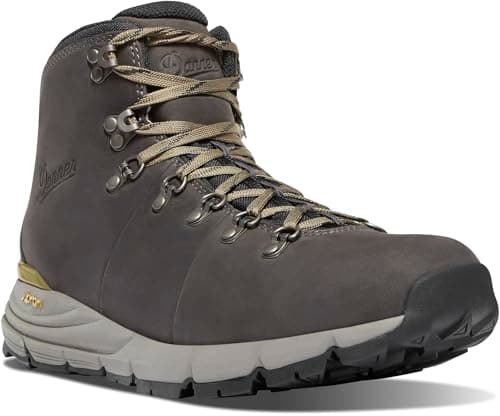
Best for hiking
If you walk more than you sit, most of the hunting aisle is wrong for you. What works, and when to buy a hiker.
Comparison
A dial you can turn with gloves against a system you can fix with paracord. The deciding factor is the failure mode.
Comparison
In mild weather on open ground a hiker is often the better hunting boot. Exactly where that stops being true.
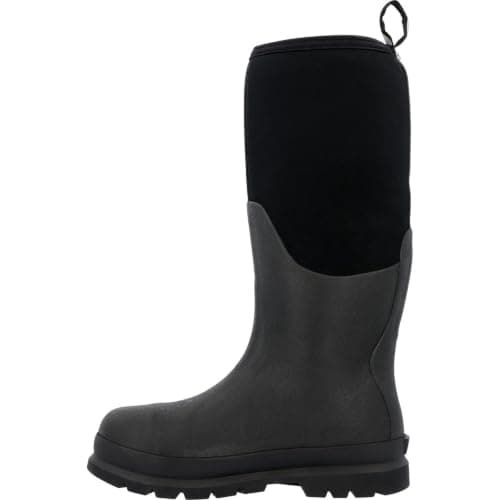
Comparison
Hunting in work boots is fine for a lot of hunting. Steel toes in the cold and jobsite scent are the two real objections.