Boot Fit & Sizing
Hunting boot liners, explained
A liner you can take out is the only way to dry a boot properly without a dryer - and the reason pac boots still exist in an age of 1,600g rubber.
Belt & Bike earns a commission when you buy through our links, at no extra cost to you. Prices come from Amazon and change; the date beside every price is when we last verified it. Full disclosure.
Quick picks
| # | Product | Liner | Score | Price |
|---|---|---|---|---|
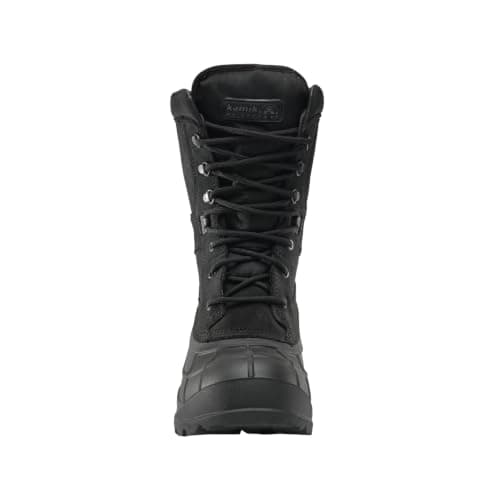
| Rank 1 | Kamik Nation Plus Cheap warmth with a removable liner | Removable | 8.0 | $99.99Amazon |
| Rank 2 | 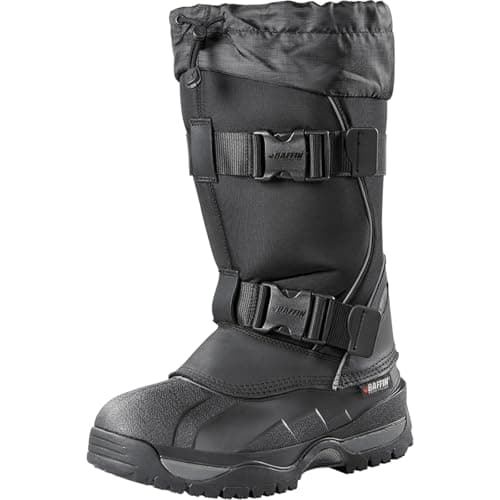 Baffin Impact Standing still in the worst of it | Removable multi-layer | 8.0 | $285.99Amazon |
| Rank 3 | 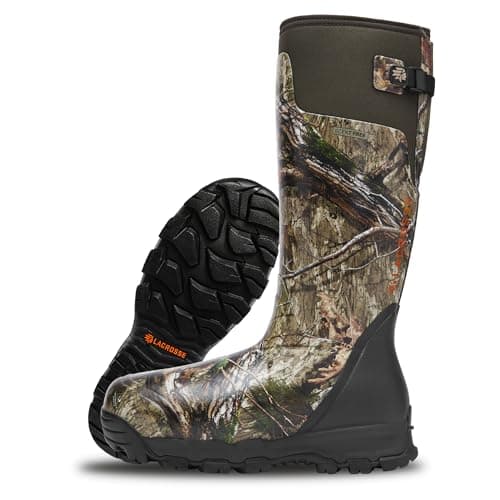 LaCrosse Alphaburly Pro 18-inch, 1,600g Sitting still in genuine cold | Removable EVA footbed | 9.0 | $199.98Amazon |
| Rank 4 | 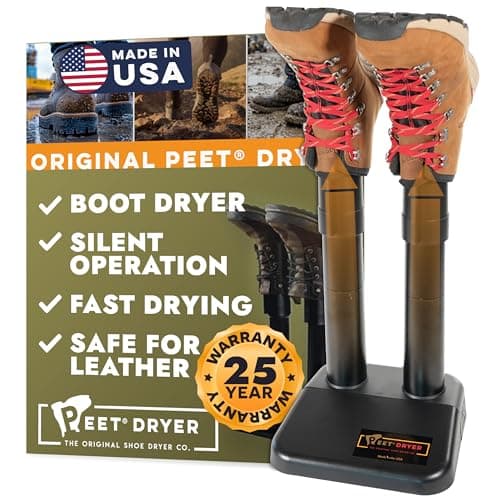 PEET Original 2-shoe dryer Silent overnight drying | Not published | 8.3 | $49.99Amazon |
#ad Prices come from Amazon and change. How this site is funded. Scores are our published editorial rubric — see our methodology.
A boot liner is the insulating inner layer, and the important distinction is whether it comes out. That single property changes how a boot dries, how long it lasts, and whether it works on a multi-day hunt.
| Removable liner (pac boot) | Bonded liner (sealed boot) | |
|---|---|---|
| Dries | Out of the boot, overnight, anywhere warm | Only in place, slowly, ideally with a dryer |
| Replaceable when compressed | Yes - and liners do compress | No. The boot's warmth declines permanently |
| Warmth available | The highest ratings made | Up to about 1,600g, or 8mm neoprene |
| Fit | Loose - the liner is a separate object | Snug, and it conforms to your foot over time |
| Water depth | To the rubber-nylon seam | To the boot top |
| Typical use | Extreme static cold, multi-day camps | Everything else |
Why removable liners matter on multi-day hunts
A sealed insulated boot that got damp on Monday is still damp on Tuesday morning without a dryer, and a damp liner costs you roughly a full insulation tier. Over four days of a cold hunt that compounds. A removable liner comes out, sits by a stove or in a warm cabin, and is dry by morning.
That is the real argument for a pac boot over 1,600g rubber, and it is covered properly in pac boots against insulated rubber.
Liners compress, and it is why old boots are cold
Insulation works by trapping air. Over seasons of being walked on, a liner compacts and traps less - so a five-year-old 1,000g boot is genuinely colder than it was new, even in perfect condition. With a removable liner you buy a new one for a fraction of the boot's price. With a bonded liner, the boot is simply past its best.
Boots with removable liners, and the dryer for everything else
Two pac boots, a sealed 1,600g boot for comparison, and the silent dryer that makes a sealed boot practical.
#1 · Cheap warmth with a removable liner
#ad How we are funded · Price as of October 6, 2026
Kamik Nation Plus
KamikA rubber-bottom, nylon-top pac boot with a removable 8mm liner. The liner is the point: you can dry it overnight, which no sealed boot lets you do.
| Insulation | 8mm removable liner |
|---|---|
| Temperature rating | -40F (manufacturer) |
| Shaft height | Not published by manufacturer |
| Upper | Rubber bottom, nylon shell |
| Liner | Removable |
What it does well
- A removable liner dries in a night; a sealed boot does not
- The cheapest published -40F rating you will find
- Nylon shell is light for the warmth
Where it falls short
- A snow boot, not a hunting boot - loose fit, no ankle support, noisy nylon
- The seam where rubber meets nylon is the water limit, so it is not a marsh boot
Our rubric
- Warmth
- 9.0
- Waterproofing
- 7.2
- Fit
- 7.0
- Durability
- 7.6
- Value
- 9.4
#2 · Standing still in the worst of it
#ad How we are funded · Price as of October 6, 2026
Baffin Impact
BaffinAn eight-layer removable inner boot rated by Baffin to -76F. This is an ice-fishing and arctic-work boot that stand hunters have quietly adopted.
| Insulation | 8-layer removable inner boot |
|---|---|
| Temperature rating | -76F (manufacturer) |
| Shaft height | Not published by manufacturer |
| Upper | Rubber base, nylon shell |
| Liner | Removable multi-layer |
What it does well
- Warmer than anything else here, by a distance
- The inner boot pulls out to dry, which is the only way to recover from a sweaty walk-in
Where it falls short
- Enormous, heavy, and you cannot walk any distance in it
- Overkill above about 10F, and you will sweat yourself cold if you try
Our rubric
- Warmth
- 10.0
- Waterproofing
- 7.6
- Fit
- 6.6
- Durability
- 8.4
- Value
- 7.4
#3 · Sitting still in genuine cold
LaCrosse Alphaburly Pro 18-inch, 1,600g
LaCrosseThe default answer for a stand hunter below 20F: 1,600g of insulation in a scent-free rubber boot with an adjustable calf gusset, so it fits over a heavy sock and a thick calf.
| Insulation | 1,600g |
|---|---|
| Shaft height | 18 in |
| Upper | Vulcanized rubber over neoprene |
| Calf fit | Adjustable back gusset |
| Liner | Removable EVA footbed |
Specifications per LaCrosse Footwear published specifications.
What it does well
- The most insulation you can sensibly buy in a rubber boot, and rubber is the one upper that does not wet out
- The adjustable gusset is the reason this boot fits calves that defeat every other 18-inch pull-on
- Rubber is inherently scent-free, which matters more to deer hunters than most boot copy admits
Where it falls short
- Far too much boot for walking in. If you have a half-mile hike you will sweat, and then you will be cold anyway
- Heavy, and the weight is at the end of your leg where you notice it most
- No ankle support worth the name compared with a lace-up leather boot
Our rubric
- Warmth
- 9.6
- Waterproofing
- 9.4
- Fit
- 8.2
- Durability
- 9.0
- Value
- 8.6
#4 · Silent overnight drying
#ad How we are funded · Price as of October 6, 2026
PEET Original 2-shoe dryer
PEETNo fan, no noise: convection alone, running all night on about as much power as a nightlight. The default answer for a boot you take off at dark.
| Type | Convection, fanless |
|---|---|
| Capacity | 1 pair |
| Stated dry time | Overnight, 4 to 8 hours (manufacturer) |
| Power draw | Low-wattage, always-on design (manufacturer) |
| Noise | Silent |
Specifications per PEET Dryer published specifications.
What it does well
- Completely silent, which matters because it lives in a mudroom or a closet
- No moving parts to fail - the reason these last decades
- Gentle heat will not cook a membrane, a glue line or a leather upper
Where it falls short
- Slow. If you need boots dry in two hours, this is the wrong machine
- One pair only, so a family needs several
- No deodorizing function beyond simply drying
Our rubric
- Drying power
- 7.4
- Capacity
- 6.0
- Quiet
- 10.0
- Build
- 9.6
- Value
- 8.6
Replacing a removable liner
- Check the maker first. Kamik, Baffin and similar makers sell replacement liners for their own boots, and the fit is right.
- Measure the old one if you are buying a generic felt or foam liner - height and foot length both matter.
- Replace in pairs, even if one looks better. Uneven liners means uneven warmth and an odd gait.
- Keep the old pair as spares for a multi-day hunt. A dry spare liner at camp is worth more than almost anything else in your bag.
Wool felt liners and insoles
Felt is the traditional liner material, and it is still the best cheap way to add footbed warmth: it insulates genuinely, it is breathable, and it dries reasonably well. It also compresses faster than foam. If your boot has a removable felt liner, treat it as a consumable - replacing it every two or three seasons is normal and cheap. Insoles against liners covers the distinction.
What a liner is not
- Not a support product. A liner insulates; it does not control your arch. That is an insole.
- Not a fix for a boot that is too big. A thicker liner takes up volume, and if you need that much extra volume the boot is the wrong size.
- Not a substitute for a sock. You still need wool against your foot - the liner is outside the sock, not instead of it.
- Not waterproof. On a pac boot the water limit is the rubber-to-nylon seam, and the liner above it will wick.
Frequently asked questions
What is a removable boot liner?
Can you replace hunting boot liners?
Why are my old boots not as warm as they used to be?
Do boot liners add warmth?
Sources
Read next
Boot Fit & Sizing
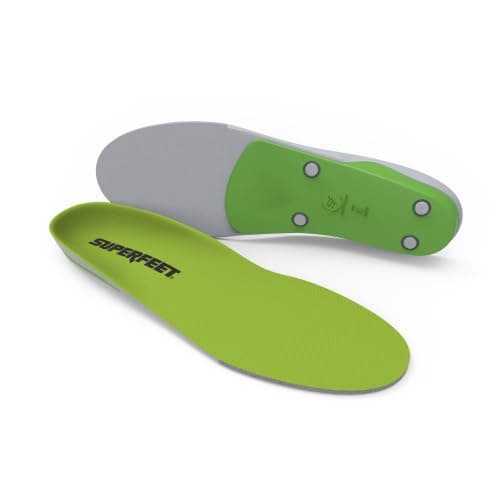
Hunting boot insoles: what they fix and what they do not
Support, volume and warmth are three different jobs - and a support insole adds no warmth at all.
Cold Weather Boots
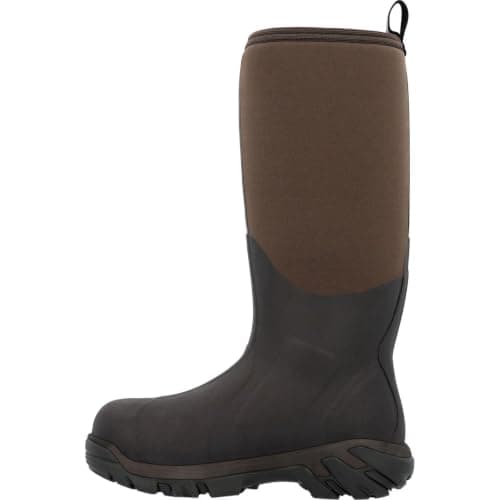
Pac boots or insulated rubber: the removable liner question
Removable liner or sealed rubber: the real tradeoffs in warmth, drying and water depth, with both options priced.
Cold Weather Boots
Best late-season hunting boots for sitting still in deep cold
The warmest boots we can justify, plus the removable-liner option that beats another 400g on a multi-day hunt.
Dryers & Boot Care
How to dry hunting boots
The method, the safe fast version, and the five heat sources that ruin boots. Water does not kill footwear - heat does.
Boot Fit & Sizing
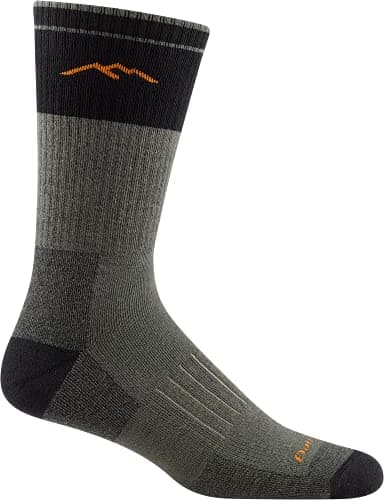
What size boot to buy over thick socks
Half a size for heavy wool, a full size with a liner - and why a tight boot is a cold boot.