Boot Fit & Sizing
Hunting boot sizing guide
Measure the foot, then order for the sock. Here is the adjustment table, the five checks that catch a wrong size, and the measurements most people skip.
Belt & Bike earns a commission when you buy through our links, at no extra cost to you. Prices come from Amazon and change; the date beside every price is when we last verified it. Full disclosure.
Quick picks
| # | Product | Widths | Score | Price |
|---|---|---|---|---|
| Rank 1 | KEEN Revel 4 Mid Polar Wide feet in cold weather | Not published | 8.5 | $200.00Amazon |
| Rank 2 | 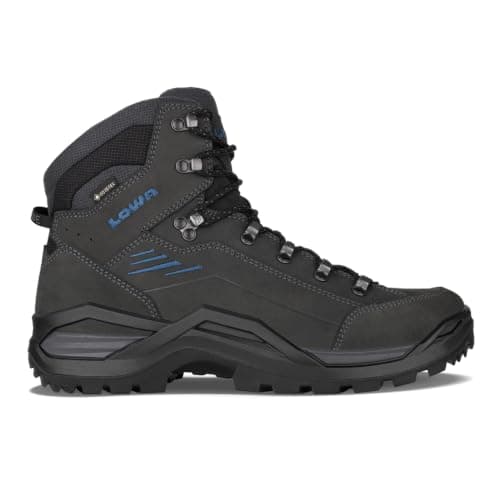 Lowa Renegade EVO GTX Mid Wide-ish feet that need a hiker | Standard and wide offered | 7.6 | $279.95Amazon |
| Rank 3 | 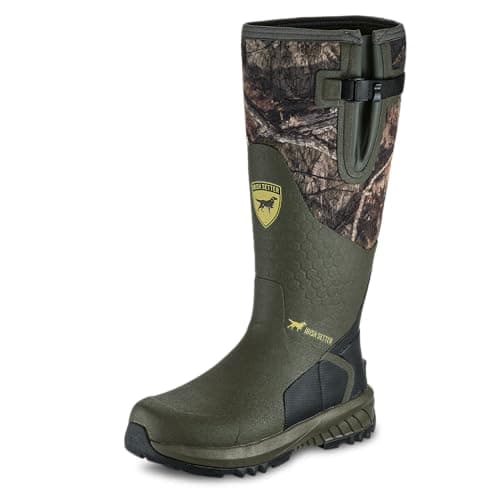 Irish Setter MudTrek 17-inch A full-fit rubber boot that walks | Standard and wide offered | 8.3 | $199.95Amazon |
| Rank 4 | 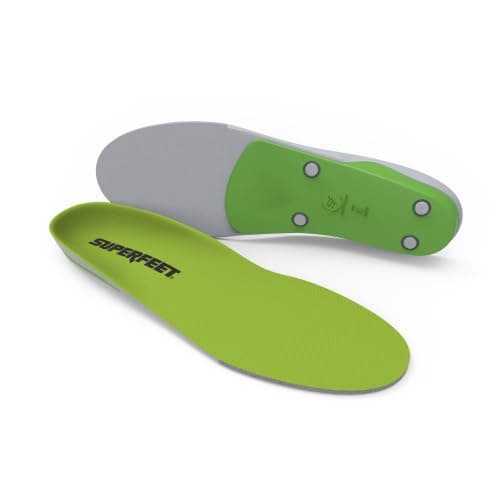 Superfeet All-Purpose High Arch High arches and heel pain | Not published | 8.2 | $59.95Amazon |
| Rank 5 | 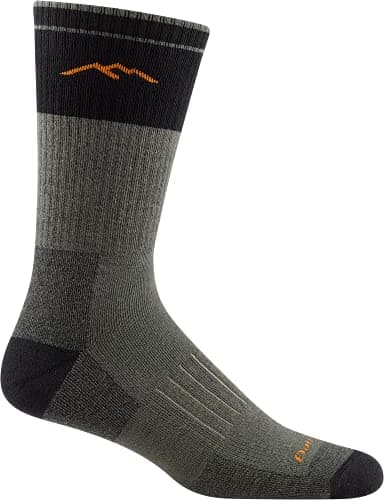 Darn Tough Hunter Boot Sock, heavyweight The default serious hunting sock | Not published | 9.0 | $31.95Amazon |
#ad Prices come from Amazon and change. How this site is funded. Scores are our published editorial rubric — see our methodology.
Hunting boot sizing is not shoe sizing, because you are sizing for a sock you do not wear in shoes. Here is the whole adjustment, and then how to check it.
| What you will wear in the boot | Size adjustment | The check that confirms it |
|---|---|---|
| A single midweight sock | True to size | A thumb's width in front of your longest toe |
| A heavyweight wool sock | Up half a size | You can wiggle all your toes freely |
| Heavyweight plus a thin liner | Up a full size | Heel does not lift more than a quarter inch |
| Heavyweight plus a heated insole | Up a full size, check width too | The insole does not push your instep into the laces |
| A boot you will only sit in, in deep cold | Up a full size | Deliberately roomy - compressed insulation is cold insulation |
Measure properly, which takes three minutes
- Measure in the afternoon or evening. Feet swell through the day, and a boot fitted to a morning foot is tight by noon.
- Stand on a sheet of paper with your weight on the foot, heel against a wall, and mark the end of your longest toe. Your longest toe is not always your big toe.
- Measure heel to mark in inches or centimeters, then compare against the maker's size chart - not against your sneaker size. Boot lasts vary enough that a nominal size means little.
- Measure the width at the widest part of the foot and check it against the maker's width options. Many hunting boots come in D and EE only.
- Measure both feet. They are usually different, and the larger one decides the size.
The five fit checks
- Toe room. Loosen the laces, slide your foot forward until your toes touch the end, and check you can get one finger behind your heel.
- Heel hold. Lace up properly, stand, and rise onto your toes. Your heel should lift no more than about a quarter inch. More than that and you will blister.
- Instep pressure. If the laces press the top of your foot before they are snug, the boot is too low-volume for you - a thinner insole frees volume, or a different last is needed.
- Width at the ball. Your foot should sit in the boot without the sides bulging. Pressure at the little toe or the ball is a width problem, not a length one.
- Downhill test. Walk down a slope or a ramp. If your toes hit the end, the boot is too short for walking downhill, which is when feet slide forward.
Boots with real width options, and the two things that tune fit
Hunting boots that actually come in a wide, plus the insole and the sock that change how a boot fits.
#1 · Wide feet in cold weather
#ad How we are funded · Price as of October 6, 2026
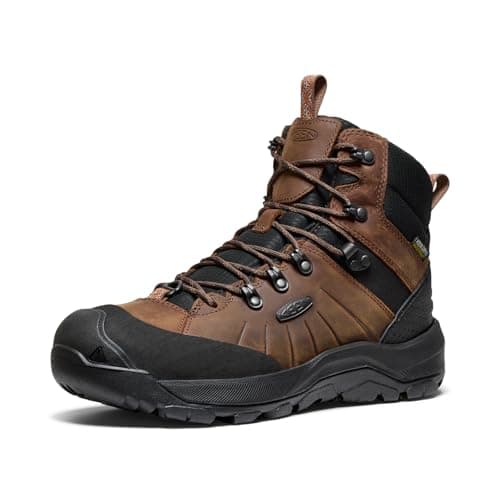
KEEN Revel 4 Mid Polar
KEENKEEN's last is the widest in this registry, and the Polar version adds real insulation - the combination that solves a wide-footed cold-weather problem.
| Insulation | KEEN.WARM insulation (manufacturer) |
|---|---|
| Temperature rating | -25F (manufacturer) |
| Shaft height | Mid |
| Upper | Leather and textile |
| Waterproofing | KEEN.DRY membrane (manufacturer) |
What it does well
- A genuinely roomy toe box without going up a size
- Published temperature rating, which most boots do not give you
Where it falls short
- A winter boot rather than a hunting boot - the styling says so
- Mid height limits water depth and brush protection
Our rubric
- Warmth
- 8.4
- Waterproofing
- 8.2
- Fit
- 9.4
- Durability
- 8.0
- Value
- 8.4
#2 · Wide-ish feet that need a hiker
#ad How we are funded · Price as of October 6, 2026
Lowa Renegade EVO GTX Mid
LowaThe most-sold hiking boot in its class for a reason: a forgiving last, a genuine Gore-Tex membrane, and almost no break-in.
| Insulation | None (uninsulated) |
|---|---|
| Shaft height | Mid |
| Upper | Nubuck leather |
| Waterproofing | Gore-Tex (manufacturer) |
| Widths | Standard and wide offered |
What it does well
- Available in a true wide, which rules most hunting boots out of contention
- Comfortable immediately
Where it falls short
- Uninsulated and mid-height - a three-season scouting boot only
- Nubuck needs treating to survive wet brush
Our rubric
- Warmth
- 3.2
- Waterproofing
- 8.6
- Fit
- 9.6
- Durability
- 8.6
- Value
- 7.8
#3 · A full-fit rubber boot that walks
#ad How we are funded · Price as of October 6, 2026
Irish Setter MudTrek 17-inch
Irish SetterIrish Setter's rubber boot, built on a full-fit last rather than the loose tube most pull-ons use - which is why it walks better than its height suggests.
| Insulation | Not published by manufacturer |
|---|---|
| Shaft height | 17 in |
| Upper | Rubber over neoprene |
| Fit | Full fit, pull-on |
| Widths | Standard and wide offered |
Specifications per Irish Setter published specifications.
What it does well
- A wide option, which almost no knee-high rubber boot offers
- The full-fit last means less heel slip, so fewer blisters on a long walk-in
Where it falls short
- Insulation varies by listing; check before buying for cold
- Tighter fit over a very heavy sock than a gusseted boot
Our rubric
- Warmth
- 6.8
- Waterproofing
- 9.0
- Fit
- 8.8
- Durability
- 8.4
- Value
- 8.6
#4 · High arches and heel pain
#ad How we are funded · Price as of October 6, 2026
Superfeet All-Purpose High Arch
SuperfeetThe classic high-volume support insole. It will not make a boot warmer, and it is the most reliable fix there is for arch and heel pain on long days.
| Type | Structured support insole |
|---|---|
| Arch profile | High |
| Volume | High (fills a roomy boot) |
| Trimmable | Yes |
| Stated life | 12 months of regular use (manufacturer) |
What it does well
- A rigid stabilizer cap under the heel, which is what actually controls heel pain
- Takes up volume, so it also tightens a boot you sized up for socks
Where it falls short
- Adds no insulation whatsoever - a common and expensive misconception
- High volume makes an already-snug boot too tight, and tight boots are cold boots
Our rubric
- Effectiveness
- 8.6
- Ease of use
- 8.6
- Durability
- 8.0
- Value
- 7.6
#5 · The default serious hunting sock
#ad How we are funded · Price as of October 6, 2026
Darn Tough Hunter Boot Sock, heavyweight
Darn ToughMerino with a full cushion, knit in Vermont, guaranteed for life. The sock we would buy first, and the cheapest real upgrade to a cold boot.
| Material | Merino wool blend |
|---|---|
| Weight | Heavyweight, full cushion |
| Height | Boot height |
| Warranty | Unconditional lifetime guarantee (manufacturer) |
| Made in | Vermont, USA (manufacturer) |
Specifications per Darn Tough Vermont published specifications.
What it does well
- The lifetime guarantee is honored, which changes the cost-per-season arithmetic completely
- Fine-gauge merino cushions without the bulk that makes a boot tight
- Wool keeps insulating when damp, which is the whole reason not to wear cotton
Where it falls short
- Three times the price of a drugstore wool-blend sock
- Full cushion needs boot room. If you are already snug, size the boot up before buying the sock
Our rubric
- Warmth
- 9.0
- Moisture handling
- 9.0
- Durability
- 9.8
- Fit
- 9.0
- Value
- 8.0
The two measurements that defeat knee boots
Shoe size tells you nothing about either of these, and both are common reasons a boot gets returned:
- Calf circumference, for any pull-on. Measure the widest point over your hunting sock. Over about 17 inches and you need a boot with an adjustable gusset: rubber boots for wide calves.
- Instep volume, for lace-ups. A high instep means a boot that is long enough can still press painfully across the top of the foot. A thinner insole is the cheap fix: the insole guide.
Why too big is as bad as too small
The instinct when buying for thick socks is to go up a full size, and it is usually a mistake. A boot that is too long lets your foot slide, and sliding is what causes heel blisters and sore toes on descents. The fix for a boot that is slightly too roomy is a volume-filling insole, not a thicker sock - a thicker sock compresses and then you are back where you started.
Width conventions
| Marking | Means | Notes |
|---|---|---|
| B | Narrow (men's) / standard (women's) | Rare in hunting boots |
| D | Standard men's | The default, often the only option |
| EE / 2E | Wide | Offered by Danner, Irish Setter, Rocky on many models |
| EEE / 3E | Extra wide | Rare; Irish Setter and work-boot makers sometimes |
Frequently asked questions
What size hunting boots should I buy?
Should hunting boots be bigger or smaller?
How much room should be in the toe of a hunting boot?
Do hunting boots run big or small?
How do I know if my hunting boots are too big?
Sources
Read next
Boot Fit & Sizing
What size boot to buy over thick socks
Half a size for heavy wool, a full size with a liner - and why a tight boot is a cold boot.
Boot Fit & Sizing
How to break in hunting boots
Four stages over two to four weeks, in order - plus the five break-in shortcuts that damage boots.
Boot Fit & Sizing
Best hunting boots for wide feet
Width and length are independent, and sizing up fixes neither. The boots that come in a genuine wide.
Boot Fit & Sizing
Hunting boot insoles: what they fix and what they do not
Support, volume and warmth are three different jobs - and a support insole adds no warmth at all.
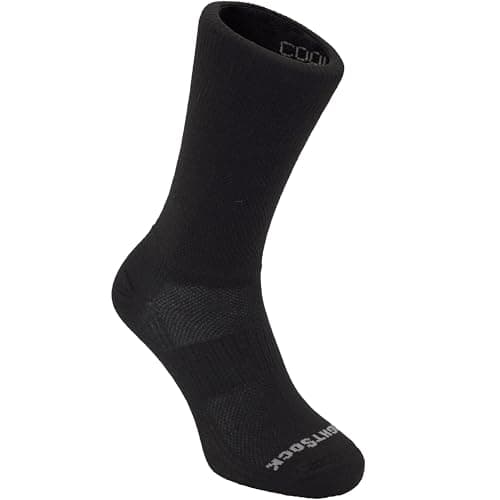
Hunting Socks
Hunting sock weight guide
Five weights, what each is for, which boot it belongs in, and the sizing adjustment it implies.
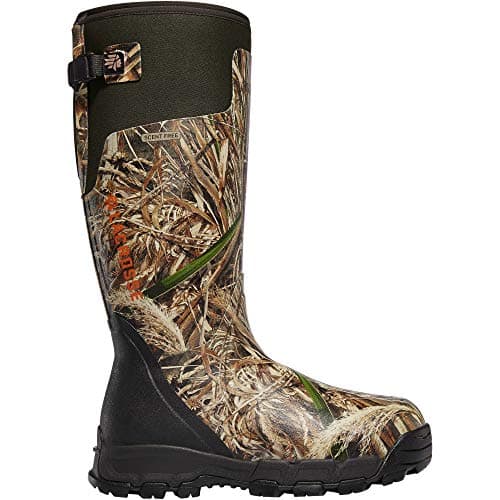
Rubber Boots
Rubber hunting boots for wide calves
Shoe size barely changes a knee boot's calf opening. Measure, then buy one of the few boots that genuinely adjusts.