Cold Weather Boots
Best late-season hunting boots for sitting still in deep cold
December and January, on a stand, not moving. The warmest boots we can justify recommending, plus the removable-liner option almost nobody considers.
Belt & Bike earns a commission when you buy through our links, at no extra cost to you. Prices come from Amazon and change; the date beside every price is when we last verified it. Full disclosure.
Quick picks
| # | Product | Insulation | Score | Price |
|---|---|---|---|---|
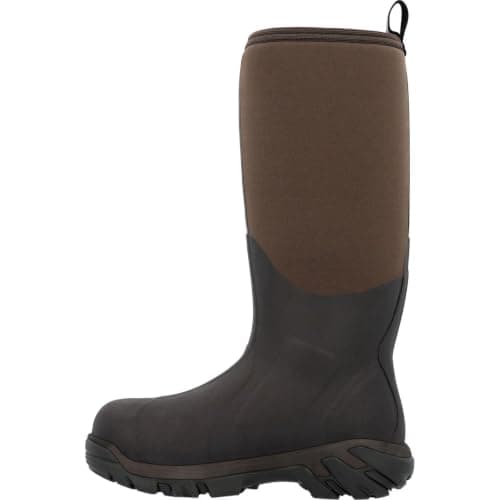
| Rank 1 | Muck Arctic Pro The coldest static sits | 8mm neoprene plus fleece | 8.6 | $131.25Amazon |
| Rank 2 | 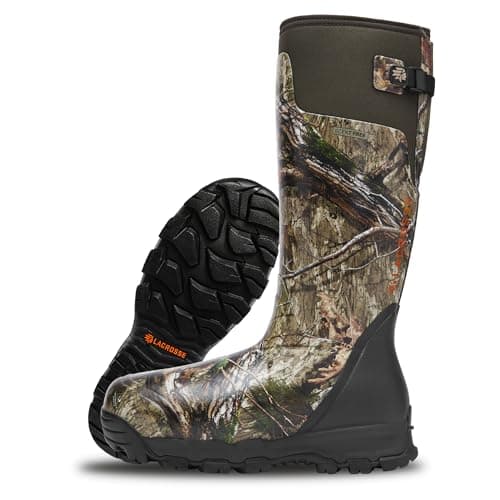 LaCrosse Alphaburly Pro 18-inch, 1,600g Sitting still in genuine cold | 1,600g | 9.0 | $199.98Amazon |
| Rank 3 | 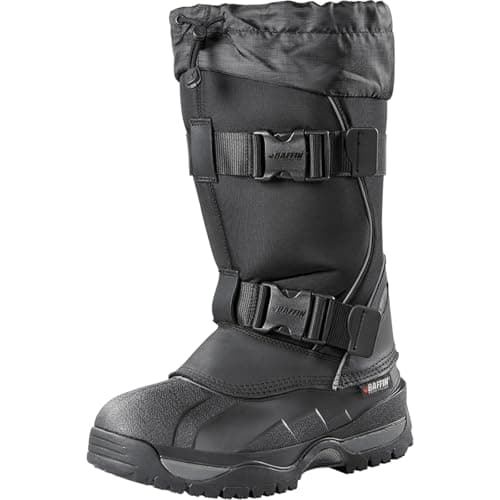 Baffin Impact Standing still in the worst of it | 8-layer removable inner boot | 8.0 | $285.99Amazon |
| Rank 4 | 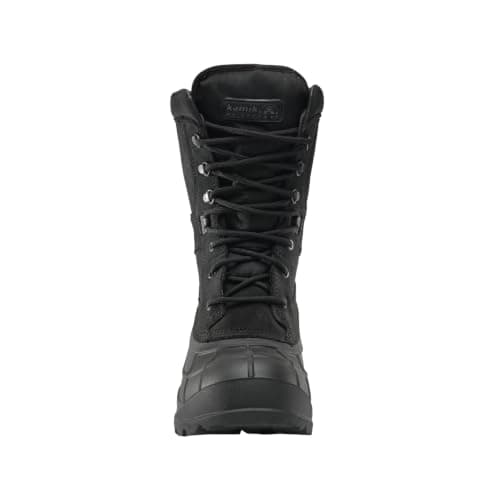 Kamik Nation Plus Cheap warmth with a removable liner | 8mm removable liner | 8.0 | $99.99Amazon |
| Rank 5 | 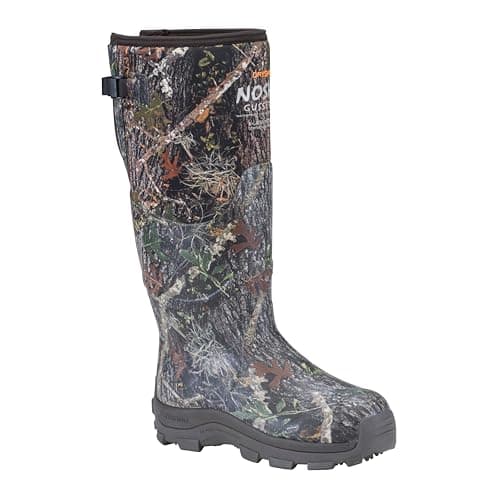 Dryshod NoSho Gusset XT Extreme cold in a gusseted pull-on | 7mm DENSOPRENE foam | 8.6 | $219.95Amazon |
| Rank 6 | 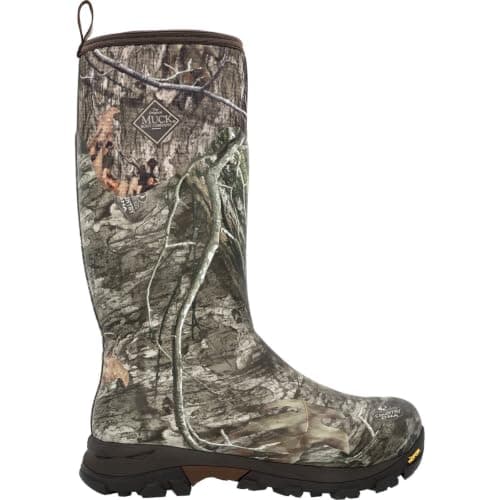 Muck Woody Arctic Ice Tall Standing on frozen ground and ice | 8mm neoprene plus fleece lining | 8.6 | $175.51Amazon |
#ad Prices come from Amazon and change. How this site is funded. Scores are our published editorial rubric — see our methodology.
Late season is a different problem from cold season. The temperature is lower, obviously, but the real change is that you are not generating any heat at all - late-season deer hunting is largely sitting motionless for four to six hours, often in wind, often over frozen ground that conducts heat straight out of your boot sole.
That means the usual advice inverts. For once, more insulation genuinely is better, because the sweat penalty that normally punishes heavy boots barely applies when your walk in is two hundred yards in the dark.
The picks
Ranked for static use in genuine cold, which is the only job on this page.
#1 · The coldest static sits
Muck Arctic Pro
Muck8mm neoprene plus a fleece lining, rated by Muck to -60F for static use. If your problem is a long December sit and nothing else, this is the category answer.
| Insulation | 8mm neoprene plus fleece |
|---|---|
| Temperature rating | -60F to 30F (manufacturer, static use) |
| Upper | Rubber over 8mm neoprene |
| Fit | Pull-on, stretch-fit topline |
| Reinforcement | Double rubber at heel and toe |
Specifications per Muck Boot Company published specifications.
What it does well
- The published rating is for static use, which is exactly how a stand hunter uses a boot
- Reinforced heel and toe survive brush and truck beds
Where it falls short
- Hopeless for walking - you will overheat in a quarter mile
- Tall, heavy and slow to dry once the fleece gets damp
Our rubric
- Warmth
- 9.8
- Waterproofing
- 9.0
- Fit
- 7.8
- Durability
- 8.6
- Value
- 8.0
#2 · Sitting still in genuine cold
LaCrosse Alphaburly Pro 18-inch, 1,600g
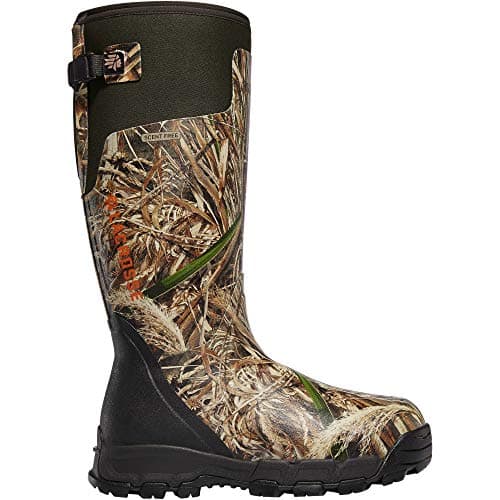
LaCrosseThe default answer for a stand hunter below 20F: 1,600g of insulation in a scent-free rubber boot with an adjustable calf gusset, so it fits over a heavy sock and a thick calf.
| Insulation | 1,600g |
|---|---|
| Shaft height | 18 in |
| Upper | Vulcanized rubber over neoprene |
| Calf fit | Adjustable back gusset |
| Liner | Removable EVA footbed |
Specifications per LaCrosse Footwear published specifications.
What it does well
- The most insulation you can sensibly buy in a rubber boot, and rubber is the one upper that does not wet out
- The adjustable gusset is the reason this boot fits calves that defeat every other 18-inch pull-on
- Rubber is inherently scent-free, which matters more to deer hunters than most boot copy admits
Where it falls short
- Far too much boot for walking in. If you have a half-mile hike you will sweat, and then you will be cold anyway
- Heavy, and the weight is at the end of your leg where you notice it most
- No ankle support worth the name compared with a lace-up leather boot
Our rubric
- Warmth
- 9.6
- Waterproofing
- 9.4
- Fit
- 8.2
- Durability
- 9.0
- Value
- 8.6
#3 · Standing still in the worst of it
#ad How we are funded · Price as of October 6, 2026
Baffin Impact
BaffinAn eight-layer removable inner boot rated by Baffin to -76F. This is an ice-fishing and arctic-work boot that stand hunters have quietly adopted.
| Insulation | 8-layer removable inner boot |
|---|---|
| Temperature rating | -76F (manufacturer) |
| Shaft height | Not published by manufacturer |
| Upper | Rubber base, nylon shell |
| Liner | Removable multi-layer |
What it does well
- Warmer than anything else here, by a distance
- The inner boot pulls out to dry, which is the only way to recover from a sweaty walk-in
Where it falls short
- Enormous, heavy, and you cannot walk any distance in it
- Overkill above about 10F, and you will sweat yourself cold if you try
Our rubric
- Warmth
- 10.0
- Waterproofing
- 7.6
- Fit
- 6.6
- Durability
- 8.4
- Value
- 7.4
#4 · Cheap warmth with a removable liner
#ad How we are funded · Price as of October 6, 2026
Kamik Nation Plus
KamikA rubber-bottom, nylon-top pac boot with a removable 8mm liner. The liner is the point: you can dry it overnight, which no sealed boot lets you do.
| Insulation | 8mm removable liner |
|---|---|
| Temperature rating | -40F (manufacturer) |
| Shaft height | Not published by manufacturer |
| Upper | Rubber bottom, nylon shell |
| Liner | Removable |
What it does well
- A removable liner dries in a night; a sealed boot does not
- The cheapest published -40F rating you will find
- Nylon shell is light for the warmth
Where it falls short
- A snow boot, not a hunting boot - loose fit, no ankle support, noisy nylon
- The seam where rubber meets nylon is the water limit, so it is not a marsh boot
Our rubric
- Warmth
- 9.0
- Waterproofing
- 7.2
- Fit
- 7.0
- Durability
- 7.6
- Value
- 9.4
#5 · Extreme cold in a gusseted pull-on
#ad How we are funded · Price as of October 6, 2026
Dryshod NoSho Gusset XT
DryshodDryshod's cold-conditions boot with an adjustable gusset - the rare combination of serious neoprene warmth and a calf you can actually fit.
| Insulation | 7mm DENSOPRENE foam |
|---|---|
| Temperature rating | -50F to 40F (manufacturer) |
| Shaft height | Not published by manufacturer |
| Calf fit | Adjustable gusset |
| Liner | Moisture-wicking airmesh |
What it does well
- Gusset plus 7mm foam is the combination most warm pull-ons lack
- Published static temperature range, which makes it cross-shoppable
Where it falls short
- Expensive for a neoprene boot
- Like all heavily-insulated pull-ons, hopeless for walking in
Our rubric
- Warmth
- 9.4
- Waterproofing
- 9.0
- Fit
- 8.6
- Durability
- 8.4
- Value
- 7.6
#6 · Standing on frozen ground and ice
Muck Woody Arctic Ice Tall
MuckMuck's warmest hunting pull-on, and the one with the Vibram Arctic Grip outsole - the only tread here that is designed specifically for wet ice.
| Insulation | 8mm neoprene plus fleece lining |
|---|---|
| Shaft height | Not published by manufacturer |
| Upper | Rubber over 8mm neoprene |
| Outsole | Vibram Arctic Grip AT |
| Fit | Pull-on, stretch-fit topline |
Specifications per Muck Boot Company published specifications.
What it does well
- Arctic Grip is a real difference on wet ice, not a marketing outsole
- Stretch topline seals around the calf without a buckle
- Warm enough for a static sit in single digits by Muck's own rating
Where it falls short
- Expensive, and the outsole is the reason
- As with every neoprene boot, you cannot compare its warmth to a gram figure
Our rubric
- Warmth
- 9.4
- Waterproofing
- 9.2
- Fit
- 8.4
- Durability
- 8.6
- Value
- 7.6
The removable liner, which is the real late-season insight
A sealed boot - any rubber pull-on, any leather lace-up - cannot be dried from the inside in a night without a dryer, and even with one it takes hours. A pac boot with a removable liner can be emptied and dried in front of a stove in an hour. On a multi-day hunt in deep cold, that is worth more than another 400g of insulation.
| Sealed insulated boot | Pac boot with removable liner | |
|---|---|---|
| Warmth available | Up to about 1,600g | The highest ratings made |
| Dries overnight | Only with a dryer, slowly | Yes, liner out, anywhere warm |
| Fits like a hunting boot | Yes | No - loose, no ankle support |
| Water depth | To the boot height | To the rubber-nylon seam, which is lower |
| Walks | Badly to adequately | Badly |
| Buy it for | One-day hunts, water | Multi-day camps, extreme cold |
The Kamik Nation Plus and the Baffin Impact here are both liner boots. Neither is a hunting boot in any real sense - they are snow and ice-fishing boots with published ratings far beyond anything in the hunting aisle - and stand hunters have adopted them for exactly that reason.
Frozen ground is a separate heat loss
Conduction through the sole matters more than people account for. A boot with a thin outsole on a frozen aluminum stand platform loses heat continuously, and no amount of upper insulation fixes it. Two cheap mitigations:
- Stand on something. A square of closed-cell foam or a piece of carpet on the platform breaks the conduction path. This is the single most effective free fix in late-season hunting.
- Add a wool felt insole, which insulates the footbed rather than the upper. Note that a structured support insole does not do this - see the insole guide.
What to do about the walk in
Even two hundred yards in a 1,600g boot will warm you up. The late-season routine that works: walk in with the boot unlaced or the topline loose, carry your heavy socks rather than wearing them, and change into them once you are settled and have stopped generating heat. Sock layering covers the sequence.
When to stop buying boots and start adding heat
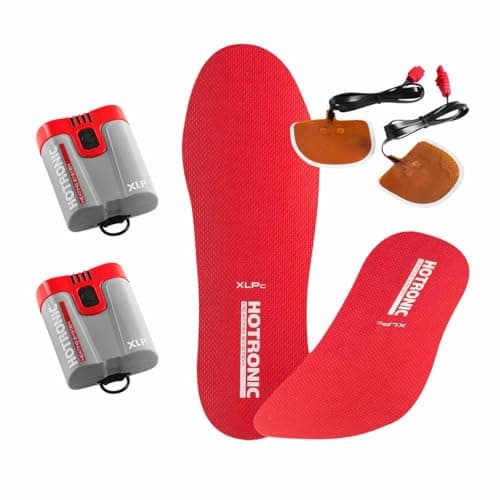
There is a floor on what passive insulation can do for a motionless foot, and some people hit it. If you are in a 1,600g boot with dry wool socks and your toes still go numb in two hours, more boot is not the answer - heated insoles are, because they add heat rather than slowing its loss.
Frequently asked questions
What are the warmest hunting boots?
What boots should I wear for late season deer hunting?
Are pac boots good for hunting?
How do you keep your feet warm in a tree stand in December?
Is 1,600 gram insulation enough for below zero?
Sources
Read next
Cold Weather Boots
Boot insulation grams by temperature
The full gram-by-gram table with separate temperature ranges for sitting still and walking - the column other charts leave out.
Cold Weather Boots
1600 gram insulated hunting boots
The most over-bought rating in hunting footwear - and the only right answer for a motionless sit below 15F.
Cold Weather Boots
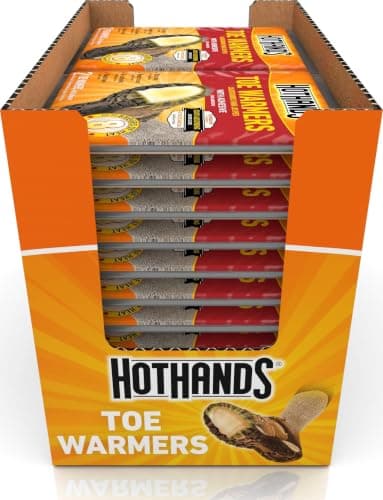
Best heated insoles for hunting boots
Powered footbeds and chemical warmers compared, plus the placement mistake that makes toe warmers underperform.
Cold Weather Boots
How to keep your feet warm in a tree stand
A stand is colder than the ground under it: more wind, a conducting platform, total stillness. The specific fixes.
Hunting Socks
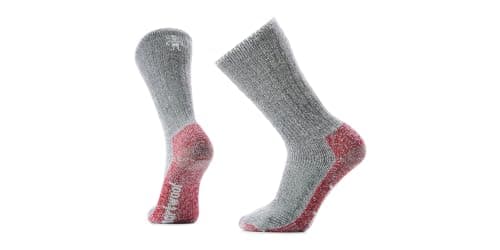
Best hunting socks for cold feet
The warmest socks we would recommend - plus the caveat that makes half of all thick-sock purchases backfire.
Dryers & Boot Care
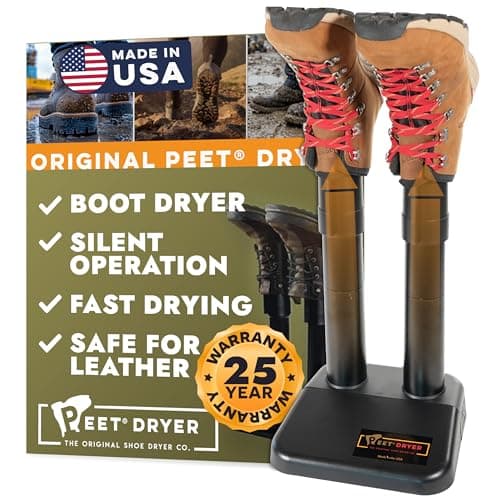
How to dry hunting boots
The method, the safe fast version, and the five heat sources that ruin boots. Water does not kill footwear - heat does.