Boot Fit & Sizing
Hunting boots or work boots
Plenty of people hunt in their work boots, and for some hunting it is fine. The two things that argue against it are a steel toe in the cold and the smell of a jobsite.
Belt & Bike earns a commission when you buy through our links, at no extra cost to you. Prices come from Amazon and change; the date beside every price is when we last verified it. Full disclosure.
Quick picks
| # | Product | Toe | Score | Price |
|---|---|---|---|---|
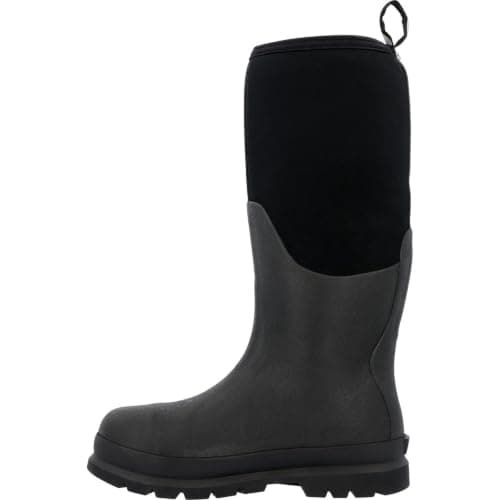
| Rank 1 | Muck Chore Classic Tall Mud, manure and abuse | Steel toe on this listing | 8.5 | $108.04Amazon |
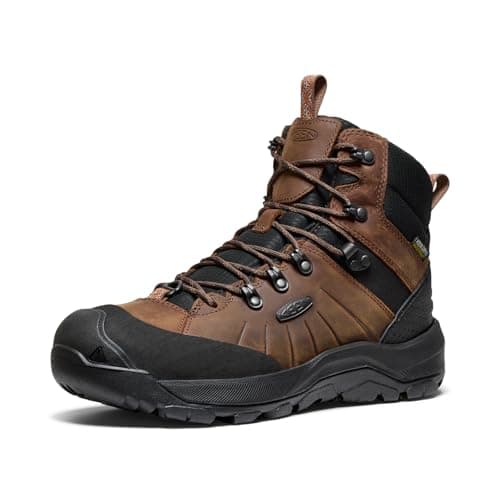
| Rank 2 | 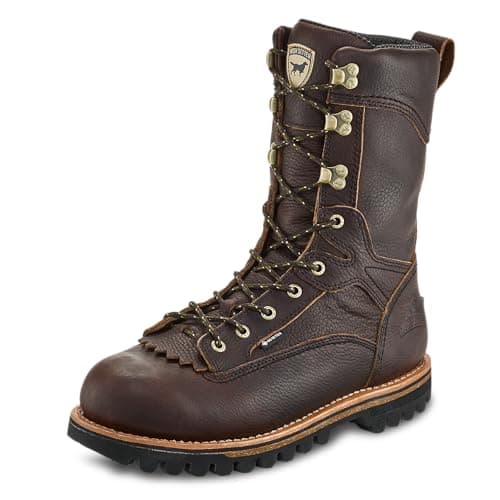 Irish Setter Elk Tracker 12-inch, 1,000g Cold-weather hunts that involve walking | Not published | 8.6 | $279.95Amazon |
| Rank 3 | 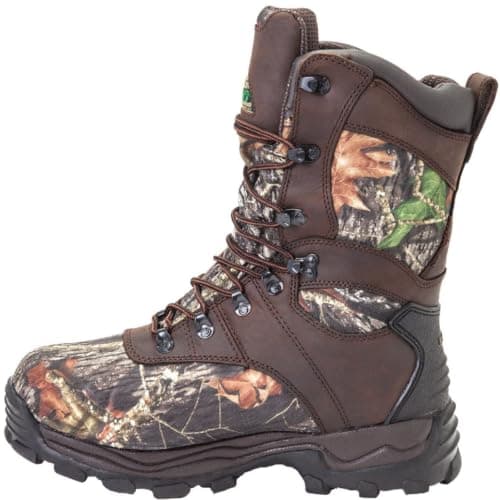 Rocky Sport Utility Pro 1,000g A tall insulated lace-up on a budget | Not published | 8.2 | $119.99Amazon |
| Rank 4 | 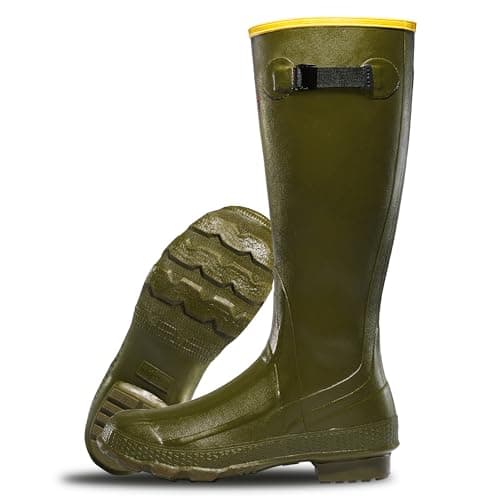 LaCrosse Grange 18-inch Uninsulated knee-high water work | Not published | 8.0 | $99.95Amazon |
| Rank 5 | 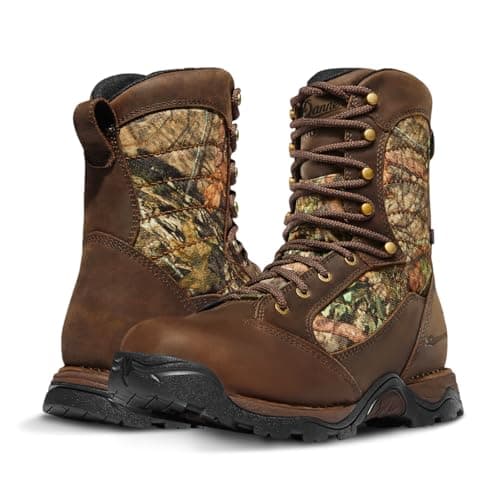 Danner Pronghorn 800g All-day walking in the cold | Not published | 8.7 | $244.67Amazon |
#ad Prices come from Amazon and change. How this site is funded. Scores are our published editorial rubric — see our methodology.
A good work boot is a good boot, and if you own one that fits and is broken in, hunting in it is a perfectly reasonable thing to do. There are two real reasons not to, and one of them is a problem people do not anticipate.
Problem 1: a steel toe is a cold bridge
A steel safety toe conducts heat out of your boot far faster than leather or insulation does, which means in genuinely cold weather a steel-toe boot has a cold spot exactly where your toes are. Composite safety toes are better - non-metallic and much less conductive - and are the right choice if you want protection and cold-weather use from one boot.
This is not a reason to avoid work boots generally. It is a reason not to sit still in a steel-toe boot at 20F and then wonder why your toes are numb: why your feet get cold.
Problem 2: scent
A work boot has been in a truck, around fuel, on a jobsite, through whatever you walk across at work - and leather absorbs all of it. For duck hunting, upland or anything where you are not worried about a deer's nose, this is irrelevant. For stand hunting whitetails it is a real argument for a dedicated pair, and specifically for rubber: scent-free rubber boots.
| Work boots | Hunting boots | |
|---|---|---|
| Safety toe available | Yes - steel or composite | Essentially never |
| Insulation | Up to about 1,000g on winter models | Up to 1,600g |
| Cold bridge from a steel toe | Yes, and it is noticeable | Not applicable |
| Scent | Absorbs the jobsite | Can be kept clean and dedicated |
| Colorway | Black or brown | Subdued and camo |
| Outsole | Often oil and slip resistant | Lug patterns for mud and ground |
| Electrical hazard rating | Available | No |
| Price | Comparable | Comparable |
When a work boot is genuinely the right hunting boot
- Chores and hunting in one boot, which describes a lot of rural life. A Muck Chore Classic is in this registry for exactly that reason.
- Early-season and mild-weather hunts, where the cold-bridge issue does not arise.
- Upland and waterfowl hunting, where scent is not a concern.
- Any hunt where the alternative is an unbroken-in new boot. A broken-in work boot beats a stiff new hunting boot every time.
When to buy a dedicated hunting boot
- You sit still in the cold. Insulation levels above 1,000g essentially do not exist in work boots, and a steel toe makes cold worse.
- You hunt whitetails from a stand. Scent control is a real reason, and rubber is the material answer.
- You need knee-high water coverage. Work boots rarely go past 16 inches, and rarely in a shape built for wading.
- Your state or season requires specific colors, or you spot-and-stalk where a black boot stands out.
Both ends of the overlap
A chore boot, a work-style insulated hunting boot, two dedicated hunting boots and an uninsulated knee boot.
#1 · Mud, manure and abuse
Muck Chore Classic Tall
MuckNot a hunting boot, and included because half the people buying hunting rubber actually need a chore boot. Thicker rubber, steel toe available, built for daily abuse.
| Insulation | 5mm neoprene |
|---|---|
| Shaft height | Not published by manufacturer |
| Upper | Reinforced rubber over neoprene |
| Toe | Steel toe on this listing |
| Fit | Pull-on |
Specifications per Muck Boot Company published specifications.
What it does well
- The most abrasion-resistant rubber in the Muck line
- Steel toe option, which no hunting pull-on offers
Where it falls short
- Heavy, loud and solid-colored - a poor stand boot
- Steel toe is a cold bridge in genuinely low temperatures
Our rubric
- Warmth
- 7.4
- Waterproofing
- 9.2
- Fit
- 7.6
- Durability
- 9.4
- Value
- 8.8
#2 · Cold-weather hunts that involve walking
#ad How we are funded · Price as of October 6, 2026
Irish Setter Elk Tracker 12-inch, 1,000g
Irish Setter1,000g of insulation in a 12-inch lace-up leather boot: the combination that lets you cover ground in the cold without the sweat-then-freeze cycle a rubber pull-on forces.
| Insulation | 1,000g |
|---|---|
| Shaft height | 12 in |
| Upper | Full-grain leather |
| Waterproofing | UltraDry membrane (manufacturer) |
| Fit | Lace-up |
Specifications per Irish Setter published specifications.
What it does well
- Laces mean you can actually tension the boot to your foot, which is why it walks better than any pull-on
- 1,000g is the sweet spot for a boot you walk in and then sit in
- Leather takes a real conditioning treatment and lasts seasons longer than neoprene
Where it falls short
- Leather is not scent-free the way rubber is, and it absorbs whatever you walk through
- Needs breaking in, and the 12-inch shaft takes the longest to soften
- Water depth is limited to the top of the laces, so not a marsh boot
Our rubric
- Warmth
- 8.8
- Waterproofing
- 7.8
- Fit
- 9.2
- Durability
- 9.2
- Value
- 8.2
#3 · A tall insulated lace-up on a budget
Rocky Sport Utility Pro 1,000g
RockyA taller insulated leather-and-nylon boot with 1,000g, aimed squarely at cold stand hunting without the premium-leather price.
| Insulation | 1,000g Thinsulate |
|---|---|
| Shaft height | Not published by manufacturer |
| Upper | Leather and nylon |
| Waterproofing | Rocky Waterproof construction (manufacturer) |
| Fit | Lace-up |
Specifications per Rocky Boots published specifications.
What it does well
- Tall shaft plus real insulation at a price that leaves money for socks and a dryer
- Nylon panels keep weight down compared with all-leather
Where it falls short
- Membrane boots at this price do not last as long as Gore-Tex ones
- Not scent-controlled
Our rubric
- Warmth
- 8.4
- Waterproofing
- 8.0
- Fit
- 8.0
- Durability
- 7.8
- Value
- 9.0
#4 · Uninsulated knee-high water work
#ad How we are funded · Price as of October 6, 2026
LaCrosse Grange 18-inch
LaCrosseAn uninsulated ZXT rubber knee boot that has been in the catalog for decades. Buy it for water, not for warmth, and put the warmth in your sock.
| Insulation | None (uninsulated) |
|---|---|
| Shaft height | 18 in |
| Upper | ZXT rubber |
| Liner | Unlined |
| Fit | Pull-on |
Specifications per LaCrosse Footwear published specifications.
What it does well
- Cheap, nearly indestructible, and the pattern has barely changed because it did not need to
- Uninsulated means you control warmth with socks instead of being locked into one temperature
- A sane early-season and chore boot that happens to be scent-free
Where it falls short
- Cold on its own below about 45F - this is a feature, not a flaw, but buyers get it wrong
- Plain rubber is stiffer across the instep than a neoprene boot
Our rubric
- Warmth
- 4.0
- Waterproofing
- 9.4
- Fit
- 7.8
- Durability
- 9.4
- Value
- 9.4
#5 · All-day walking in the cold
Danner Pronghorn 800g
Danner800g in Danner's Pronghorn platform, which is built around a supportive midsole rather than a soft one. The boot to buy if your hunt is measured in miles.
| Insulation | 800g |
|---|---|
| Shaft height | Not published by manufacturer |
| Upper | Leather and nylon |
| Waterproofing | Gore-Tex (manufacturer) |
| Outsole | Danner Pronghorn |
Specifications per Danner published specifications.
What it does well
- One of the few insulated boots that genuinely supports a loaded pack
- Gore-Tex plus a recraftable platform - this is a multi-season purchase
- 800g walks far better than 1,000g or more
Where it falls short
- Expensive, and the wide sizes are the ones that go out of stock
- Needs a real break-in period; do not buy it the week before a hunt
Our rubric
- Warmth
- 8.0
- Waterproofing
- 8.8
- Fit
- 9.4
- Durability
- 9.4
- Value
- 7.8
If you are hunting in work boots this season
- Pick the composite-toe or soft-toe pair over the steel-toe one for cold weather.
- Air them out away from the truck and the garage for a few days first if you are deer hunting.
- Add a wool sock and a change of socks, which does more for warmth than a boot upgrade: merino socks.
- Treat the leather properly, since work boots usually need it more than hunting boots do: how to waterproof hunting boots.
Frequently asked questions
Can you use work boots for hunting?
Are steel toe boots bad for cold weather?
What is the difference between work boots and hunting boots?
Do work boots hold scent?
Sources
Read next
Boot Fit & Sizing
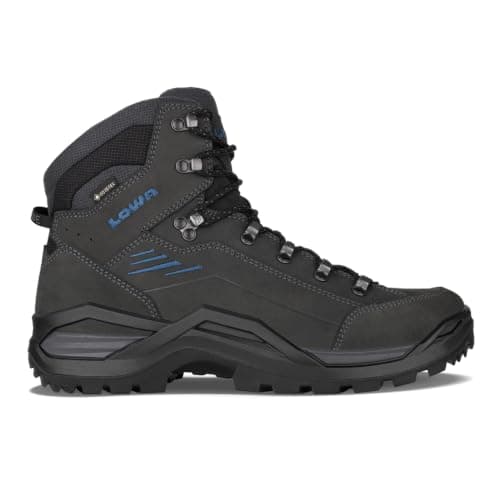
Hunting boots or hiking boots
In mild weather on open ground a hiker is often the better hunting boot. Exactly where that stops being true.
Rubber Boots
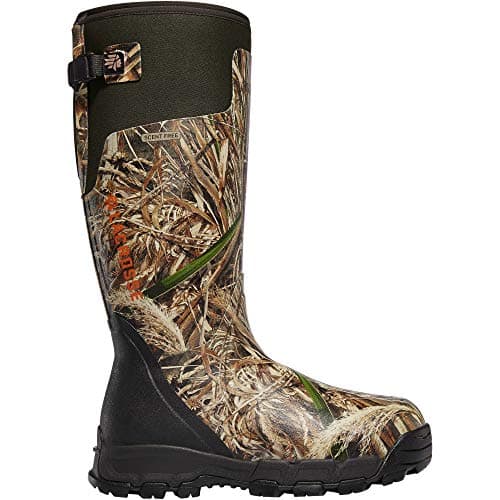
Scent-free rubber boots: what helps and what is marketing
Rubber absorbs less odor than leather - and the rest of scent control is storage and handling, which is free.
Cold Weather Boots
Why your feet get cold on the stand
Four mechanisms, in the order they actually cause problems - and insufficient insulation is the least common of them.
Boot Fit & Sizing
Hunting boot sizing guide
The sizing adjustment table, the five fit checks, and the two measurements shoe size tells you nothing about.
Rubber Boots
Best rubber boots for deer hunting
Scent control, silence and a long motionless sit - what deer hunting asks of a rubber boot, and which ones deliver.