Boot Fit & Sizing
How long do hunting boots last?
Two to four seasons for most boots, ten or more for a resoleable welted leather boot, and three or four years for a rubber pull-on no matter how gently you use it.
Bog & Briar earns a commission when you buy through our links, at no extra cost to you. Prices come from Amazon and change; the date beside every price is when we last verified it. Full disclosure.
Top pick
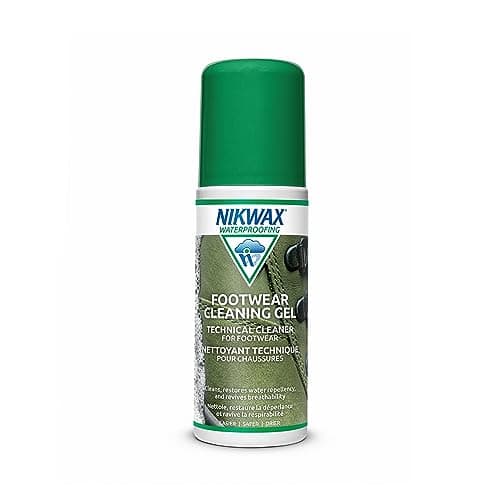
Nikwax Footwear Cleaning Gel
The step everyone skips
Cleaner, not proofer. Proofing over caked mud seals the mud in - this is the step that makes the proofer actually work.
#ad How we are funded · Price as of November 19, 2026
Quick picks
| # | Product | Type | Score | Price |
|---|---|---|---|---|
| Rank 1 | Nikwax Footwear Cleaning Gel The step everyone skips | Water-based cleaning gel | 9.5/10 | $10.50Amazon |
| Rank 2 | 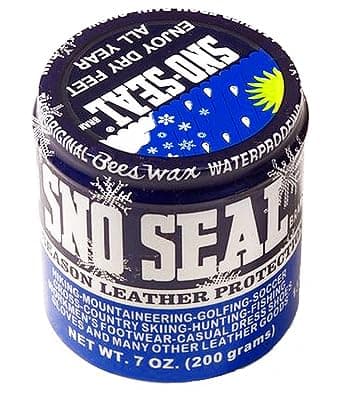 Atsko Sno-Seal beeswax, 7 oz Full-grain leather in hard conditions | Beeswax paste | 9.6/10 | $26.99Amazon |
| Rank 3 | 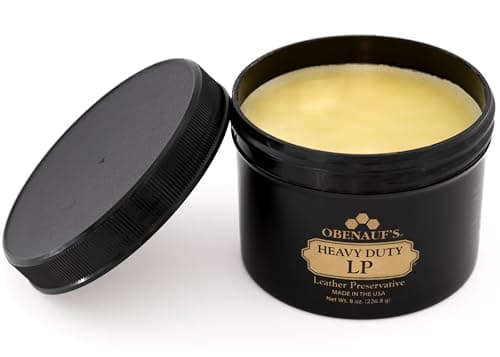 Obenauf's Heavy Duty LP Leather that lives in mud and water | Beeswax and propolis paste | 9.6/10 | $17.99Amazon |
| Rank 4 | 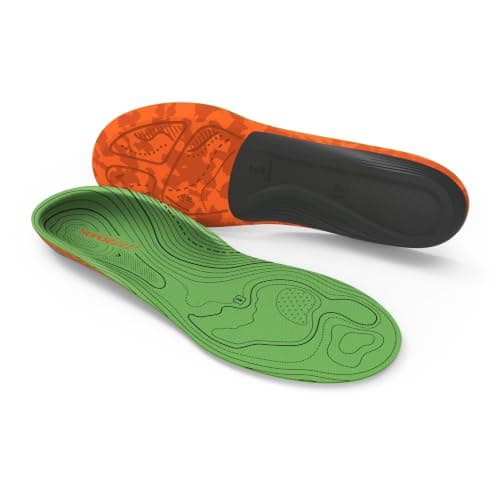 Superfeet Hike Support Miles in hunting boots | Structured support insole | 9.4/10 | $44.86Amazon |
#ad Prices come from Amazon and change. How this site is funded. Scores are our published editorial rubric — see our methodology.
A hunting boot that gets used hard lasts two to four seasons; a cemented-sole boot dies when the sole goes and a Goodyear-welted leather boot can be resoleable for a decade or more. Rubber pull-ons are the exception to all of it: they fail on a clock rather than on mileage, because rubber oxidizes and cracks at the flex point whether you walk in them or not, and three to five years is a realistic expectation even with light use.
No maker publishes a lifespan, so there is no spec to quote here - what there is instead is a clear pattern in what fails first, and almost all of it is preventable or repairable. Four of the five common failures are caused by how the boot is stored rather than how it is worn.
What actually fails, in the order it usually happens
| Failure | Typical timing | Repairable? | Caused mostly by |
|---|---|---|---|
| Insole collapses | One season | Yes - replace it | Normal use |
| Laces and eyelets | One to three seasons | Yes | Grit and brush |
| Outsole tread worn smooth | Two to four seasons | Welted: yes. Cemented: no | Mileage and rock |
| Membrane stops working | Two to five seasons | Partly - clean and re-proof | Dirt, body oils, no cleaning |
| Leather cracks at the flex | Three seasons if untreated | No | Drying wet, never conditioning |
| Rubber cracks at the flex | Three to five years | No | Age, sun, being stored folded |
| Insulation flattens | Three to five seasons | No | Compression - a boot worn too tight |
| Midsole breaks down | Four to eight seasons | No | Age, even unused |
Lifespan by boot type
- Goodyear-welted leather pull-on or lace-up: 10 years or more with two resoles. The Chippewa 17-inch pull-on is on this site partly for this reason - a welted boot is the only footwear here you would expect to outlast its first outsole twice.
- Cemented leather lace-up (most hunting boots): 3 to 5 seasons. The sole is glued, so when the tread is gone the boot is gone.
- Insulated leather lace-up: the same, but the insulation flattens first if the fit is tight.
- Rubber or neoprene pull-on: 3 to 5 years, driven by age rather than use.
- Snake boots: usually the longest-lived boots people own, because they are worn in a short season. The puncture barrier does not wear out; the platform underneath does.
- Lightweight hikers and trail shoes: 400 to 600 miles is the usual working figure for a midsole, and it applies regardless of how good the upper still looks.
The three things that add years
Clean before you proof, match the treatment to the upper, and replace the insole every season.
#1 · The step everyone skips
#ad How we are funded · Price as of November 19, 2026
Nikwax Footwear Cleaning Gel
NikwaxCleaner, not proofer. Proofing over caked mud seals the mud in - this is the step that makes the proofer actually work.
| Type | Water-based cleaning gel |
|---|---|
| For | All footwear materials (manufacturer) |
| Membrane safe | Yes (manufacturer) |
| Volume | 125ml |
| Application | Sponge on wet boots (manufacturer) |
What it does well
- Removes the dirt that blocks both breathability and re-proofing
- Safe on leather, nubuck, synthetic and membrane boots alike
Good to know
- Does nothing for waterproofing on its own
Our rubric — each criterion 0-10
- Effectiveness
- 8.4
- Ease of use
- 9.2
- Durability
- 7.0
- Value
- 9.0
#2 · Full-grain leather in hard conditions
#ad How we are funded · Price as of November 19, 2026
Atsko Sno-Seal beeswax, 7 oz
AtskoBeeswax worked into warm leather. The traditional treatment, the most durable water protection for full-grain, and the wrong choice for a breathable membrane boot.
| Type | Beeswax paste |
|---|---|
| For | Full-grain and oiled leather |
| Membrane safe | Reduces breathability (treat as non-membrane) |
| Volume | 7 oz |
| Application | Apply to warm, dry leather (manufacturer) |
What it does well
- The most durable water repellency here - weeks rather than outings
- Conditions the leather as well as sealing it
Good to know
- Reduces breathability, so do not use it on a Gore-Tex boot you walk hard in
Our rubric — each criterion 0-10
- Effectiveness
- 9.2
- Ease of use
- 7.0
- Durability
- 9.0
- Value
- 9.0
#3 · Leather that lives in mud and water
#ad How we are funded · Price as of November 19, 2026
Obenauf's Heavy Duty LP
Obenauf'sA beeswax-and-propolis paste developed for wildland firefighters' boots. Heavier than Sno-Seal, and the longest-lasting leather treatment here.
| Type | Beeswax and propolis paste |
|---|---|
| For | Full-grain and oiled leather |
| Membrane safe | Reduces breathability (treat as non-membrane) |
| Volume | 8 oz |
| Application | Work into clean, dry leather by hand |
What it does well
- Penetrates deeper than a surface wax, so it conditions as well as seals
- Developed for boots that live in water and heat, and it shows
Good to know
- Darkens leather heavily and permanently
Our rubric — each criterion 0-10
- Effectiveness
- 9.4
- Ease of use
- 7.0
- Durability
- 9.2
- Value
- 8.8
#4 · Miles in hunting boots
$59.95 25% off
#ad How we are funded · Price as of November 19, 2026
Superfeet Hike Support
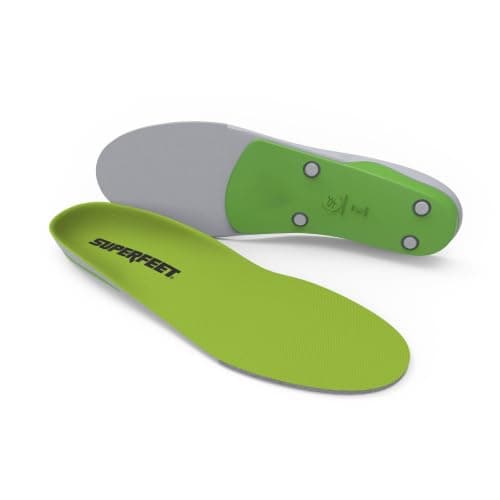
SuperfeetThe hiking-specific Superfeet: a little more forefoot cushioning than the all-purpose version, aimed at long days under a pack.
| Type | Structured support insole |
|---|---|
| Arch profile | Medium to high |
| Cushioning | Forefoot foam |
| Trimmable | Yes |
| Stated life | 12 months of regular use (manufacturer) |
What it does well
- Support plus some cushion, which is the right balance for mountain hunting
- Clearly better than the die-cut foam insole almost every boot ships with
Good to know
- Not a warmth upgrade
Our rubric — each criterion 0-10
- Effectiveness
- 8.4
- Ease of use
- 8.6
- Durability
- 7.8
- Value
- 7.6
The storage mistakes that kill boots
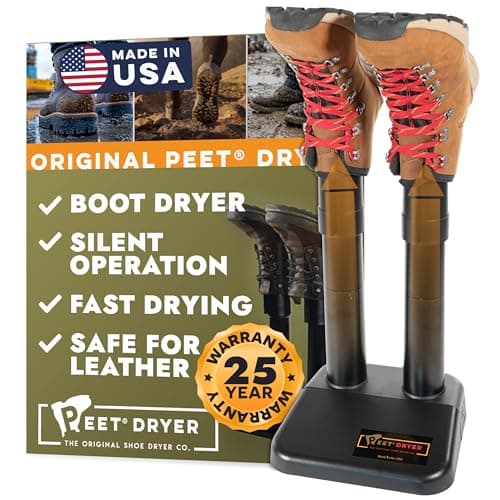
- Drying them hot. A heat vent, a wood stove or a dryer running above roughly 120F cooks the adhesives and the membrane. This is the fastest way to destroy a good boot and it feels like being responsible. How to dry hunting boots has the limits.
- Storing them wet. Mold, stitch rot and a dead membrane, in that order. A boot dryer run overnight is the whole fix.
- Storing rubber boots folded. The crease becomes the crack. Hang them or stand them upright, out of sunlight.
- Proofing over mud. Treatment applied to a dirty boot seals the dirt into the leather and blocks the membrane from the inside. Clean first, every time.
- Leaving them in a hot vehicle all summer. Heat and UV age rubber, adhesives and foam midsoles faster than any amount of hunting does.
Match the treatment to the upper, or you shorten the boot's life
This is the most common well-intentioned mistake. Beeswax pastes - Sno-Seal, Obenauf's LP - are the most durable water protection available for full-grain and oiled leather, and they are the wrong product for a membrane boot because they reduce breathability. A spray durable water repellent is the right product for nylon panels and gaiters. Nikwax's cleaning gel is the step before either, and the one almost everyone skips.
| Upper | Clean with | Then proof with |
|---|---|---|
| Full-grain or oiled leather | Water-based cleaning gel | Beeswax paste |
| Nubuck or suede | Water-based cleaning gel | Nubuck and suede proofer, not wax |
| Leather with a membrane | Water-based cleaning gel | Spray DWR - keep breathability |
| Nylon panels and gaiters | Water-based cleaning gel | Spray DWR |
| Rubber or neoprene | Water and a brush | Nothing - it needs no treatment |
The complete version, including how often to re-proof, is in how to waterproof hunting boots, and the off-season routine is in hunting boot care and storage.
When to repair instead of replace
- Worn tread, welted boot: resole it. A cobbler will quote on the welt, and it is far cheaper than the boot.
- Worn tread, cemented boot: replace. Re-soling a cemented boot is rarely worth what it costs.
- Leaking membrane: clean and re-proof first - most "leaks" are a clogged or unproofed upper, not a failed laminate.
- Collapsed insole: replace the insole. This is a 20 dollar fix that frequently resurrects a boot people were about to throw away.
- Cracked rubber: replace. There is no repair for a cracked flex point that will hold water out.
- Broken speed hooks or eyelets: a cobbler fix, and worth doing on a boot that otherwise fits.
Our recommendation
If you only take one thing from this page, take this one.
Our pick
Nikwax Footwear Cleaning Gel
The step everyone skips
#ad How we are funded · Price as of November 19, 2026
Runner-up
Atsko Sno-Seal beeswax, 7 oz
Full-grain leather in hard conditions
#ad How we are funded · Price as of November 19, 2026
Frequently asked questions
How long do hunting boots last?
What kills hunting boots fastest?
How long do rubber hunting boots last?
Can hunting boots be resoled?
Is it worth replacing insoles in hunting boots?
Sources
Read next
Dryers & Boot Care
Hunting boot care and off-season storage
Most boots die in storage, not in the field. UV, fuel fumes and damp do more damage than a season of hunting.
Rubber Boots
How to waterproof hunting boots
Wax, spray or nothing - matched to full-grain, nubuck, synthetic and rubber, in the right order.
Dryers & Boot Care
How to dry hunting boots
The method, the safe fast version, and the five heat sources that ruin boots. Water does not kill footwear - heat does.
Boot Fit & Sizing
Hunting boot insoles: what they fix and what they do not
Support, volume and warmth are three different jobs - and a support insole adds no warmth at all.