Cold Weather Boots
Best winter hunting boots
Winter is not one problem. The boot that is right for a December stand sit is wrong for a January walking hunt, and both are wrong in flooded timber.
Bog & Briar earns a commission when you buy through our links, at no extra cost to you. Prices come from Amazon and change; the date beside every price is when we last verified it. Full disclosure.
Best winter boots
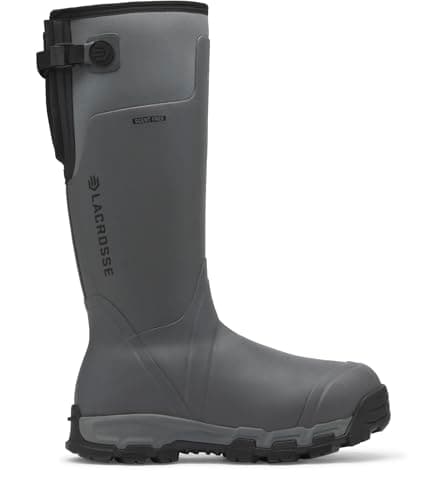
LaCrosse Alphaburly Pro 18-inch, 800g
One boot for most of the season
The same boot as the 1,600g with half the insulation, and for most hunters in most of the country it is the smarter buy: warm enough sitting down to about freezing, survivable walking in.
#ad How we are funded · Price as of November 19, 2026
Quick picks
| # | Product | Insulation | Score | Price |
|---|---|---|---|---|
| Rank 1 | LaCrosse Alphaburly Pro 18-inch, 800g One boot for most of the season | 800g | 9.7/10 | $209.95Amazon |
| Rank 2 | 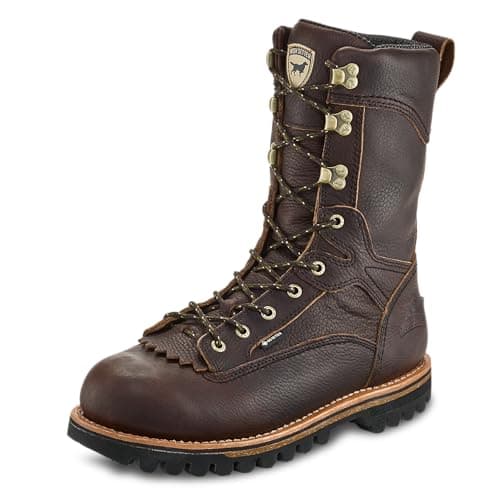 Irish Setter Elk Tracker 12-inch, 1,000g Cold-weather hunts that involve walking | 1,000g | 9.6/10 | $279.95Amazon |
| Rank 3 | 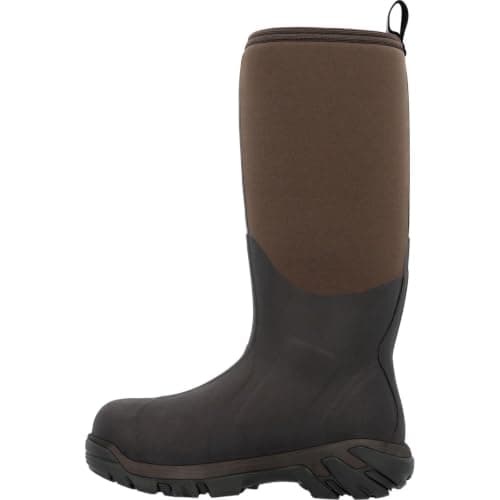 Muck Arctic Pro The coldest static sits | 8mm neoprene plus fleece | 9.6/10 | $130.60Amazon |
| Rank 4 | 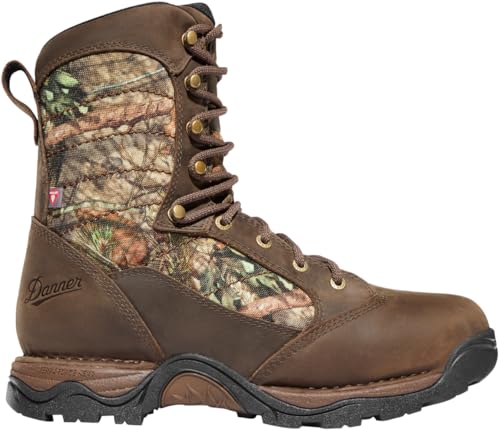 Danner Pronghorn 800g All-day walking in the cold | 800g | 9.7/10 | $319.95Amazon |
| Rank 5 | 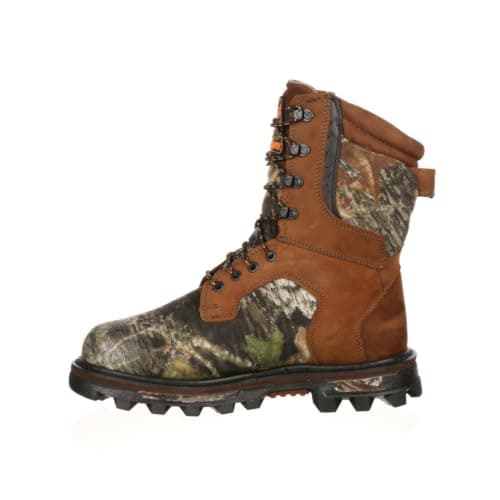 Rocky BearClaw 3D 1,000g Cold-weather value in leather | 1,000g Thinsulate | 9.6/10 | $174.99Amazon |
| Rank 6 | 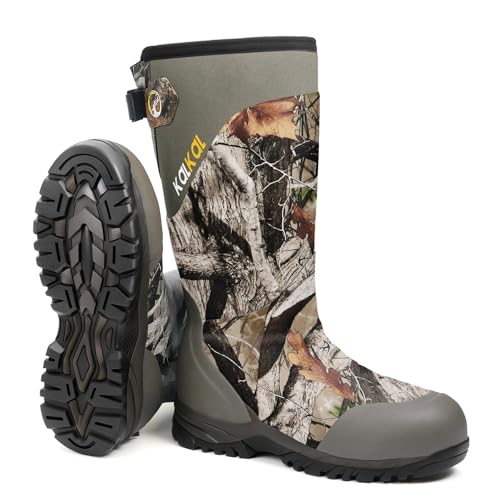 Kalkal 800g insulated rubber boot 800g and a calf strap under $100 | 800g cold-resistant insulation (manufacturer) | 9.3/10 | $93.99Amazon |
#ad Prices come from Amazon and change. How this site is funded. Scores are our published editorial rubric — see our methodology.
If you want one winter boot and you mostly sit, buy the LaCrosse Alphaburly Pro in `800g` - `18 in` of scent-free rubber over neoprene with an adjustable calf gusset, warm enough sitting down to about freezing and survivable to walk in. If you mostly walk, buy the Irish Setter Elk Tracker instead: 1,000g behind an UltraDry membrane in a 12-inch leather lace-up, which is the combination that lets you cover ground in the cold without the sweat-then-freeze cycle a rubber pull-on forces.
The reason the same question gets two answers is that winter boots fail in two opposite directions. Buy too much insulation for a walking hunt and you sweat the boot out, then freeze when you stop. Buy too little for a stand sit and you are cold by hour two no matter how good the boot is. The honest selection rule is to buy for the thing you do most and solve the other case with socks, warmers and a second pair.
Pick your winter, then pick your boot
Find the hunt you actually do
- December and January stand sits800g to 1,600g rubber pull-on See the picks
- Walking hunts, pushing cover, still-hunting1,000g leather lace-up with a membrane See the picks
- Flooded timber, marsh, cold waterKnee-high insulated rubber See the picks
- Below 0F and sitting still8mm neoprene or a removable-liner boot See the picks
- Mountain country in winterStiff-shanked insulated mountain boot See the picks
- One pair, tight budgetAn 800g boot and a better sock See the picks
The picks
Two sitting boots, two walking boots, one leather value pick and one budget rubber boot with a calf strap.
#1 · One boot for most of the season
#ad How we are funded · Price as of November 19, 2026
LaCrosse Alphaburly Pro 18-inch, 800g
LaCrosseThe same boot as the 1,600g with half the insulation, and for most hunters in most of the country it is the smarter buy: warm enough sitting down to about freezing, survivable walking in.
| Insulation | 800g |
|---|---|
| Shaft height | 18 in |
| Upper | Vulcanized rubber over neoprene |
| Calf fit | Adjustable back gusset |
| Liner | Removable EVA footbed |
Specifications per LaCrosse Footwear published specifications.
What it does well
- The widest usable temperature window of any boot here - roughly 20F sitting to 50F walking
- Same gusset, same rubber, same scent profile as the 1,600g version
- If you are buying one rubber boot and do not know your conditions, this is the one
Good to know
- Not enough boot for an all-day December sit in the north
Our rubric — each criterion 0-10
- Warmth
- 8.2
- Waterproofing
- 9.4
- Fit
- 8.4
- Durability
- 9.0
- Value
- 9.0
#2 · Cold-weather hunts that involve walking
#ad How we are funded · Price as of November 19, 2026
Irish Setter Elk Tracker 12-inch, 1,000g
Irish Setter1,000g of insulation in a 12-inch lace-up leather boot: the combination that lets you cover ground in the cold without the sweat-then-freeze cycle a rubber pull-on forces.
| Insulation | 1,000g |
|---|---|
| Shaft height | 12 in |
| Upper | Full-grain leather |
| Waterproofing | UltraDry membrane (manufacturer) |
| Fit | Lace-up |
Specifications per Irish Setter published specifications.
What it does well
- Laces mean you can actually tension the boot to your foot, which is why it walks better than any pull-on
- 1,000g is the sweet spot for a boot you walk in and then sit in
- Leather takes a real conditioning treatment and lasts seasons longer than neoprene
Good to know
- Leather is not scent-free the way rubber is, and it absorbs whatever you walk through
Our rubric — each criterion 0-10
- Warmth
- 8.8
- Waterproofing
- 7.8
- Fit
- 9.2
- Durability
- 9.2
- Value
- 8.2
#3 · The coldest static sits
$185.00 29% off
#ad How we are funded · Price as of November 19, 2026
Muck Arctic Pro
Muck8mm neoprene plus a fleece lining, rated by Muck to -60F for static use. If your problem is a long December sit and nothing else, this is the category answer.
| Insulation | 8mm neoprene plus fleece |
|---|---|
| Temperature rating | -60F to 30F (manufacturer, static use) |
| Upper | Rubber over 8mm neoprene |
| Fit | Pull-on, stretch-fit topline |
| Reinforcement | Double rubber at heel and toe |
Specifications per Muck Boot Company published specifications.
What it does well
- The published rating is for static use, which is exactly how a stand hunter uses a boot
- Reinforced heel and toe survive brush and truck beds
Good to know
- Hopeless for walking - you will overheat in a quarter mile
Our rubric — each criterion 0-10
- Warmth
- 9.8
- Waterproofing
- 9.0
- Fit
- 7.8
- Durability
- 8.6
- Value
- 8.0
#4 · All-day walking in the cold
#ad How we are funded · Price as of November 19, 2026
Danner Pronghorn 800g
Danner800g in Danner's Pronghorn platform, which is built around a supportive midsole rather than a soft one. The boot to buy if your hunt is measured in miles.
| Insulation | 800g |
|---|---|
| Shaft height | Not published by manufacturer |
| Upper | Leather and nylon |
| Waterproofing | Gore-Tex (manufacturer) |
| Outsole | Danner Pronghorn |
Specifications per Danner published specifications.
What it does well
- One of the few insulated boots that genuinely supports a loaded pack
- Gore-Tex plus a recraftable platform - this is a multi-season purchase
- 800g walks far better than 1,000g or more
Good to know
- Expensive, and the wide sizes are the ones that go out of stock
Our rubric — each criterion 0-10
- Warmth
- 8.0
- Waterproofing
- 8.8
- Fit
- 9.4
- Durability
- 9.4
- Value
- 7.8
#5 · Cold-weather value in leather
#ad How we are funded · Price as of November 19, 2026
Rocky BearClaw 3D 1,000g
Rocky1,000g of Thinsulate behind a Gore-Tex membrane at a price well under the premium leather boots. The compromise is weight, not warmth.
| Insulation | 1,000g Thinsulate |
|---|---|
| Shaft height | 9 in |
| Upper | Full-grain leather and Cordura |
| Waterproofing | Gore-Tex (manufacturer) |
| Outsole | Rocky BearClaw 3D |
Specifications per Rocky Boots published specifications.
What it does well
- The cheapest way to get 1,000g and Gore-Tex in the same boot
- The outsole has an unusually deep, self-cleaning lug for a leather boot
Good to know
- Heavy for its height
Our rubric — each criterion 0-10
- Warmth
- 8.6
- Waterproofing
- 8.6
- Fit
- 7.8
- Durability
- 8.6
- Value
- 9.2
#6 · 800g and a calf strap under $100
$119.99 22% off
#ad How we are funded · Price as of November 19, 2026
Kalkal 800g insulated rubber boot
KalkalThe TIDEWE's closest rival: 800g of insulation over a 7mm neoprene body, plus the rear adjustable buckle the TIDEWE does not have. Kalkal's temperature claim is the part to ignore.
| Insulation | 800g cold-resistant insulation (manufacturer) |
|---|---|
| Shaft height | Not published by manufacturer |
| Upper | 100% rubber over 7mm neoprene with a fleece lining |
| Midsole | Wave-contoured EVA |
| Calf fit | Neoprene collar with a rear adjustable buckle strap |
| Temperature claim | -55F to 40F (manufacturer) |
Specifications per Kalkal published specifications.
What it does well
- 7mm of neoprene is a full millimeter more than most boots in this price bracket publish, and neoprene is where a cold rubber boot gets its warmth
- A rear buckle strap at this price, which is the single feature that makes a pull-on fit a narrow calf
- Kalkal publishes gram and neoprene figures at all, which much of the sub-$100 shelf does not
Good to know
- The -55F claim is a marketing figure with no test standard behind it. Treat this as a boot for a cold sit, not for Arctic cold
Our rubric — each criterion 0-10
- Warmth
- 8.4
- Waterproofing
- 8.4
- Fit
- 7.4
- Durability
- 6.4
- Value
- 9.2
What the published figures mean in winter
Insulation weight is grams per square meter of batting, not the total weight of insulation in the boot, and it is the only comparable number the industry publishes. Neoprene thickness is a different scale entirely. The practical translation we use across the site is in the insulation grams by temperature chart; the short version for winter is below.
| Published figure | Sitting still | Walking | Winter verdict |
|---|---|---|---|
| 400g | Down to about 40F | Down to about 25F | Not a winter spec |
| 800g | Down to about 30F | Down to about 10F | The one-boot winter answer |
| 1,000g | Down to about 20F | Down to about 0F | Best for cold walking hunts |
| 1,600g | Down to about 0F | Overheats on any walk | Sitting only |
| 5mm neoprene | Down to about 20F | Down to about 10F | Mid-winter pull-on |
| 8mm neoprene | Below 0F, static | Overheats | Deep-cold sits |
The three winter mistakes worth naming
Buying insulation instead of fit
A 1,600g boot that is a half size too small will be colder than an 800g boot that fits, because compression flattens the loft and squeezes the blood vessels that are supposed to be delivering heat. If you are planning to wear a heavyweight sock in winter, buy the boot around that sock - what size boot over thick socks has the method.
Wearing the same boot from the truck to the stand
The walk in is the moment the boot gets wet from the inside. Hunters who swap boots or swap socks at the tree stay warmer than hunters who buy a bigger boot, every time. The routine is in how to keep your feet warm hunting.
Letting the boot start the day damp
Two consecutive cold mornings in a boot that never dried is the most common reason a good winter boot stops performing in January. A forced-air dryer turns that around in an evening - see the best boot dryers - and it is a cheaper fix than a second pair of boots.
What we would buy
- One winter boot, mostly sitting: LaCrosse Alphaburly Pro 800g, 18 in, adjustable gusset.
- One winter boot, mostly walking: Irish Setter Elk Tracker 1,000g, 12 in, UltraDry membrane.
- Deep-cold sits: Muck Arctic Pro, 8mm neoprene, -60F to 30F static.
- Miles in the cold: Danner Pronghorn 800g, Gore-Tex, supportive midsole.
- Cold-weather leather on a budget: Rocky BearClaw 3D, 1,000g Thinsulate behind Gore-Tex.
- Cheapest honest winter rubber: Kalkal 800g with the rear buckle strap - ignore the temperature claim on the box.
Our recommendation
If you only take one thing from this page, take this one.
Our pick
LaCrosse Alphaburly Pro 18-inch, 800g
One boot for most of the season
#ad How we are funded · Price as of November 19, 2026
Runner-up
Irish Setter Elk Tracker 12-inch, 1,000g
Cold-weather hunts that involve walking
#ad How we are funded · Price as of November 19, 2026
Frequently asked questions
What are the best winter hunting boots?
How many grams of insulation do you need for winter hunting?
Are rubber or leather boots better for winter hunting?
What is the warmest winter hunting boot?
Can you wear winter hunting boots in the snow?
Sources
Read next
Cold Weather Boots
The best insulated hunting boots, by what you are doing in them
Five insulated boots from 400g to 1,600g, each matched to a temperature AND an activity level rather than ranked on warmth alone.
Cold Weather Boots
Boot insulation grams by temperature
The full gram-by-gram table with separate temperature ranges for sitting still and walking - the column other charts leave out.
Cold Weather Boots
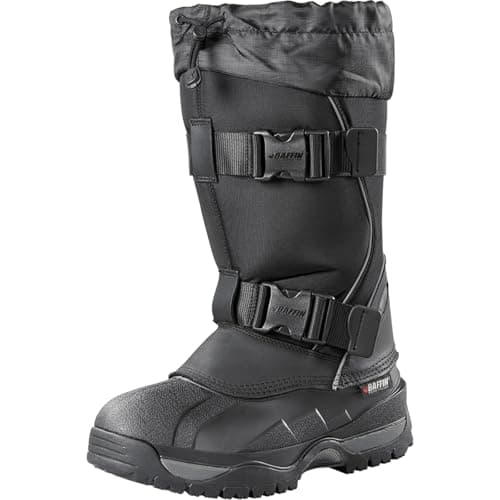
Hunting boots for below zero
Below 0F the gram figure stops deciding the outcome and the removable liner starts. Six picks with the manufacturer's published ratings.
Rubber Boots
Best waterproof insulated hunting boots
Waterproof plus insulated is built two ways: sealed rubber or membrane leather. Six picks across both, and the rule for choosing between them.
Brands: want your product tested? For Brands.