Cold Weather Boots
Best hunting boots for men
Most men do not need four pairs of boots. They need one pair that is right for the way they actually hunt - and the spec that decides it is not insulation, it is whether you walk or sit.
Bog & Briar earns a commission when you buy through our links, at no extra cost to you. Prices come from Amazon and change; the date beside every price is when we last verified it. Full disclosure.
Best one-boot buy
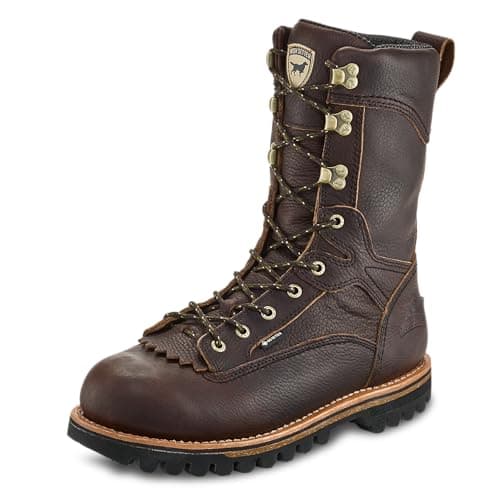
Irish Setter Elk Tracker 12-inch, 1,000g
Cold-weather hunts that involve walking
1,000g of insulation in a 12-inch lace-up leather boot: the combination that lets you cover ground in the cold without the sweat-then-freeze cycle a rubber pull-on forces.
#ad How we are funded · Price as of November 19, 2026
Quick picks
| # | Product | Insulation | Score | Price |
|---|---|---|---|---|
| Rank 1 | Irish Setter Elk Tracker 12-inch, 1,000g Cold-weather hunts that involve walking | 1,000g | 9.6/10 | $279.95Amazon |
| Rank 2 | 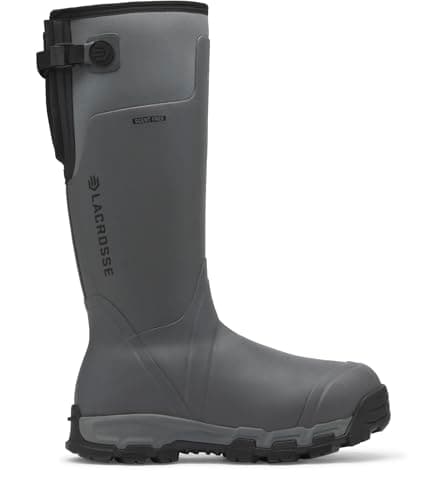 LaCrosse Alphaburly Pro 18-inch, 800g One boot for most of the season | 800g | 9.7/10 | $209.95Amazon |
| Rank 3 | 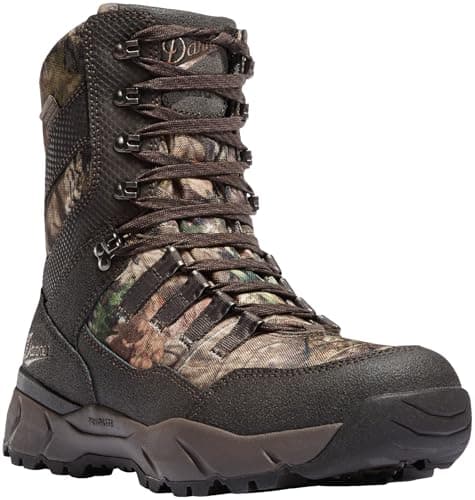 Danner Vital 8-inch, 400g A cheaper Danner for early season | 400g Thinsulate Ultra | 9.3/10 | $219.95Amazon |
| Rank 4 | 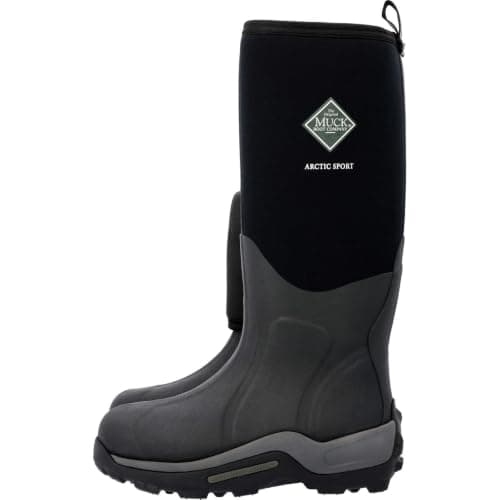 Muck Arctic Sport Tall Chores and cold mud, not just hunting | 5mm neoprene plus fleece | 9.7/10 | $133.71Amazon |
| Rank 5 | 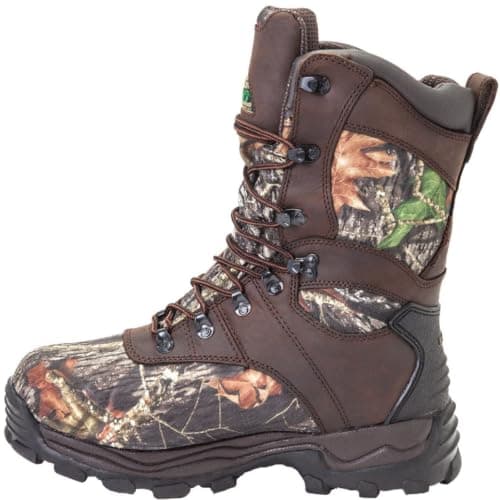 Rocky Sport Utility Pro 1,000g A tall insulated lace-up on a budget | 1,000g Thinsulate | 9.4/10 | $112.49Amazon |
| Rank 6 | 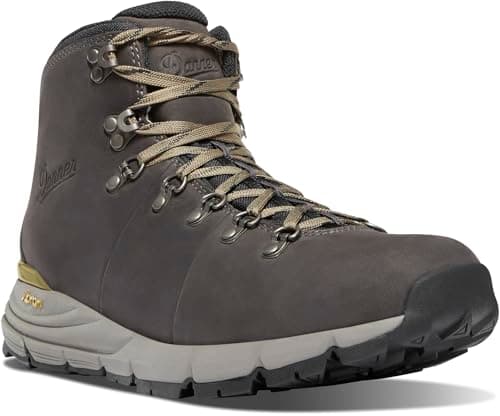 Danner Mountain 600 Leaf GTX Scouting and warm-weather miles | None (uninsulated) | 9.1/10 | $233.81Amazon |
| Rank 7 | 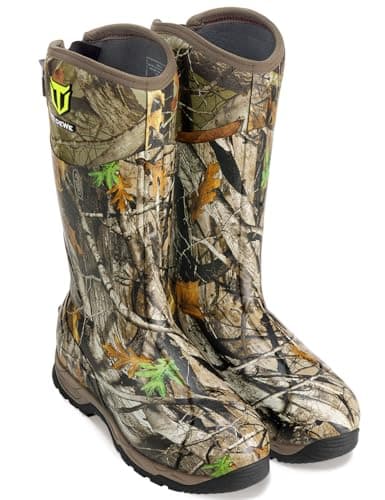 TIDEWE 800g insulated rubber boot Insulated rubber on a tight budget | 800g | 9.2/10 | $116.99Amazon |
#ad Prices come from Amazon and change. How this site is funded. Scores are our published editorial rubric — see our methodology.
If you are buying one pair of hunting boots and you both walk in and sit still, buy the Irish Setter Elk Tracker - a 12-inch, 1,000g full-grain leather lace-up. It is the widest-usable boot in this list: enough insulation for a cold morning sit, enough structure to walk a mile in, and a lace-up closure that actually holds your heel. The rest of the Irish Setter range is here. If your ground is wet more often than it is cold, buy the LaCrosse Alphaburly Pro 800g instead and stop reading.
That is the whole answer, and the rest of this page is why. The reason the men's hunting-boot aisle is so confusing is that it is sorted by the wrong number. Insulation grams are printed on the box because they are easy to print, and so buyers compare 800 against 1,600 and assume more is better. It is not better. It is different. The number that should pick your boot is how many minutes you spend moving.
How we picked
- One boot per job, not one boot per gram tier. The gram-weight pages already route by temperature. This page routes by hunt.
- Published specs only. Insulation figures, shaft heights and temperature ratings below are the manufacturer's published numbers, labeled as such and cited to the maker - see our methodology.
- A real closure. A pull-on is faster; a lace-up holds the heel. Both are here, and the page says which one your hunt wants.
- Available in normal sizes. A boot that is listed in two sizes is not a recommendation.
- Honest cons on every pick, including the one we rank first.
The picks
Routed by how you hunt: the all-rounder, the wet-ground default, the walking boot, the deep-cold sit, the value lace-up, the uninsulated mile-eater, and the cheap way in.
#1 · Cold-weather hunts that involve walking
#ad How we are funded · Price as of November 19, 2026
Irish Setter Elk Tracker 12-inch, 1,000g
Irish Setter1,000g of insulation in a 12-inch lace-up leather boot: the combination that lets you cover ground in the cold without the sweat-then-freeze cycle a rubber pull-on forces.
| Insulation | 1,000g |
|---|---|
| Shaft height | 12 in |
| Upper | Full-grain leather |
| Waterproofing | UltraDry membrane (manufacturer) |
| Fit | Lace-up |
Specifications per Irish Setter published specifications.
What it does well
- Laces mean you can actually tension the boot to your foot, which is why it walks better than any pull-on
- 1,000g is the sweet spot for a boot you walk in and then sit in
- Leather takes a real conditioning treatment and lasts seasons longer than neoprene
Good to know
- Leather is not scent-free the way rubber is, and it absorbs whatever you walk through
Our rubric — each criterion 0-10
- Warmth
- 8.8
- Waterproofing
- 7.8
- Fit
- 9.2
- Durability
- 9.2
- Value
- 8.2
#2 · One boot for most of the season
#ad How we are funded · Price as of November 19, 2026
LaCrosse Alphaburly Pro 18-inch, 800g
LaCrosseThe same boot as the 1,600g with half the insulation, and for most hunters in most of the country it is the smarter buy: warm enough sitting down to about freezing, survivable walking in.
| Insulation | 800g |
|---|---|
| Shaft height | 18 in |
| Upper | Vulcanized rubber over neoprene |
| Calf fit | Adjustable back gusset |
| Liner | Removable EVA footbed |
Specifications per LaCrosse Footwear published specifications.
What it does well
- The widest usable temperature window of any boot here - roughly 20F sitting to 50F walking
- Same gusset, same rubber, same scent profile as the 1,600g version
- If you are buying one rubber boot and do not know your conditions, this is the one
Good to know
- Not enough boot for an all-day December sit in the north
Our rubric — each criterion 0-10
- Warmth
- 8.2
- Waterproofing
- 9.4
- Fit
- 8.4
- Durability
- 9.0
- Value
- 9.0
#3 · A cheaper Danner for early season
#ad How we are funded · Price as of November 19, 2026
Danner Vital 8-inch, 400g
DannerDanner's value platform: 400g, a lighter build, and a price that does not assume you hunt for a living. Early and mid-season only.
| Insulation | 400g Thinsulate Ultra |
|---|---|
| Shaft height | 8 in |
| Upper | Leather and 900-denier polyester |
| Waterproofing | Danner Dry (manufacturer) |
| Fit | Lace-up |
Specifications per Danner published specifications.
What it does well
- Light, flexible and barely needs breaking in
- The cheapest way into a boot that walks properly
Good to know
- Not recraftable like Danner's stitchdown boots
Our rubric — each criterion 0-10
- Warmth
- 6.2
- Waterproofing
- 8.4
- Fit
- 8.8
- Durability
- 8.0
- Value
- 8.6
#4 · Chores and cold mud, not just hunting
$185.00 28% off
#ad How we are funded · Price as of November 19, 2026
Muck Arctic Sport Tall
MuckThe Arctic Pro's working cousin: 5mm neoprene, a more aggressive outsole and a price that makes sense if the boot also has to feed animals and clear snow.
| Insulation | 5mm neoprene plus fleece |
|---|---|
| Temperature rating | -40F to 40F (manufacturer, static use) |
| Upper | Rubber over 5mm neoprene |
| Fit | Pull-on, stretch-fit topline |
| Outsole | High-traction lug |
Specifications per Muck Boot Company published specifications.
What it does well
- One boot for the stand and the barn, which is how most people actually live
- The lug outsole clears mud better than the hunting-pattern Woody
Good to know
- Black and solid colors only - no camo if that matters to you
Our rubric — each criterion 0-10
- Warmth
- 8.8
- Waterproofing
- 9.0
- Fit
- 8.2
- Durability
- 8.8
- Value
- 8.8
#5 · A tall insulated lace-up on a budget
$119.99 6% off
#ad How we are funded · Price as of November 19, 2026
Rocky Sport Utility Pro 1,000g
RockyA taller insulated leather-and-nylon boot with 1,000g, aimed squarely at cold stand hunting without the premium-leather price.
| Insulation | 1,000g Thinsulate |
|---|---|
| Shaft height | Not published by manufacturer |
| Upper | Leather and nylon |
| Waterproofing | Rocky Waterproof construction (manufacturer) |
| Fit | Lace-up |
Specifications per Rocky Boots published specifications.
What it does well
- Tall shaft plus real insulation at a price that leaves money for socks and a dryer
- Nylon panels keep weight down compared with all-leather
Good to know
- Membrane boots at this price do not last as long as Gore-Tex ones
Our rubric — each criterion 0-10
- Warmth
- 8.4
- Waterproofing
- 8.0
- Fit
- 8.0
- Durability
- 7.8
- Value
- 9.0
#6 · Scouting and warm-weather miles
$249.95 6% off
#ad How we are funded · Price as of November 19, 2026
Danner Mountain 600 Leaf GTX
DannerNot a hunting boot in the insulated sense - an uninsulated Gore-Tex hiker that happens to be the right tool for August scouting and September archery.
| Insulation | None (uninsulated) |
|---|---|
| Shaft height | Not published by manufacturer |
| Upper | Suede leather |
| Waterproofing | Gore-Tex (manufacturer) |
| Outsole | Vibram SPE/Megagrip |
Specifications per Danner published specifications.
What it does well
- Comfortable out of the box in a way no insulated hunting boot is
- Vibram Megagrip is the best wet-rock outsole in this list
Good to know
- Zero insulation - this is the wrong boot the moment it gets cold
Our rubric — each criterion 0-10
- Warmth
- 3.0
- Waterproofing
- 8.6
- Fit
- 9.4
- Durability
- 8.4
- Value
- 8.4
#7 · Insulated rubber on a tight budget
#ad How we are funded · Price as of November 19, 2026
TIDEWE 800g insulated rubber boot
TIDEWE800g of insulation in a knee-high rubber boot for roughly half what the name brands charge. The tradeoff is longevity, not warmth.
| Insulation | 800g |
|---|---|
| Shaft height | Not published by manufacturer |
| Upper | Rubber over neoprene |
| Liner | Insulated |
| Fit | Pull-on |
What it does well
- The cheapest honest 800g knee boot on the market
- For an occasional hunter who needs water and warmth once a year, the value case is real
Good to know
- Buyers consistently report the rubber-to-neoprene bond is where these fail
Our rubric — each criterion 0-10
- Warmth
- 8.0
- Waterproofing
- 8.4
- Fit
- 7.0
- Durability
- 6.2
- Value
- 9.4
Start with minutes moving, not degrees
Here is the mechanism nobody puts on the box. Insulation does not make heat - your body does. Insulation slows the rate at which that heat leaves. Sweat, however, moves heat out roughly twenty-five times faster than still air does, which is why the warmest boot in the rack makes the coldest feet when you walk half a mile to a stand in it. You arrive with a damp liner, you sit down, your heat production drops by most of its walking value, and now you are sitting in a wet boot. The boot did not fail. The purchase did.
Find the row that matches your morning, then buy from it
- Walk 15+ minutes, then sit12-in leather lace-up, 800 to 1,000g See the picks
- Short walk, wet ground, sit18-in rubber pull-on, 800g See the picks
- Covering ground all day8-in lace-up, 400g or uninsulated See the picks
- Sit still below 20FTall neoprene pull-on or 1,600g rubber See the picks
- Snake country16 to 17-in snake boot See the picks
- First pair, unknown conditionsBudget 800g rubber pull-on See the picks
The four men's boots that cover almost everything
Strip the catalog down and there are really four objects in the men's hunting-boot market. Everything else is a variation on one of them.
| Leather lace-up | Rubber pull-on | Neoprene pull-on | Uninsulated hiker | |
|---|---|---|---|---|
| Typical insulation | 400 to 1,000g | 400 to 1,600g | 5 to 7mm neoprene | None |
| Walks well | Yes | Short distances | No | Best in class |
| Sits warm | To about 20F | To about 0F at 1,600g | Warmest of the four | No |
| Scent | Leather holds scent | Rubber is scent-free | Scent-free | Holds scent |
| Heel hold | Good - laces adjust | Poor to fair | Poor | Excellent |
| Lifespan | Resoleable on better models | 5 to 8 seasons typical | Neoprene eventually cracks | Resoleable on better models |
The Elk Tracker is here as the first pick because it sits furthest from the edges: 1,000g of insulation in a 12-inch full-grain upper with a lace-up closure means it is the only one of the four that is competent at both ends of the morning. The Alphaburly 800 is a close second and wins outright if your boots are wet more often than your feet are cold - rubber is the one upper that never wets out, and it is scent-free, which matters to a whitetail hunter more than most boot copy admits.
What men get wrong about sizing
Three mistakes, in order of how often they cost a hunt:
- Sizing in a store sock and hunting in a heavy merino. A heavyweight wool sock takes up real volume. Size the boot over the sock you will actually wear - the arithmetic is in what size boot over thick socks.
- Cranking the laces to stop heel lift. That compresses the top of the foot and cuts circulation, which makes a warm boot cold. Fix heel lift with a heel-lock lacing pattern and a volume-filling insole, not with tension.
- Buying a width you do not need, or not buying the width you do. If the ball of your foot is pressing at the side seams, you need a wide, not a longer boot - see hunting boots for wide feet.
Break them in before the season, not during it
A leather lace-up needs miles before it stops fighting your foot, and a rubber pull-on needs none - which is a real argument for rubber if you are buying in October. If you are buying leather, give it two to four weeks of wear before opening day, and wear it loaded: a pack changes how your foot sits in the boot.
What we would buy, in one sentence each
- Walk and sit, one pair, any state: Irish Setter Elk Tracker, 1,000g.
- Wet ground, short walk: LaCrosse Alphaburly Pro 800g, for the adjustable calf gusset as much as the insulation.
- Miles every day, cool weather: Danner Vital 400g, or the uninsulated Mountain 600 if you never sit.
- December stand hunting in the north: Muck Arctic Sport Tall, and accept that you cannot walk in it.
- Tight budget, real boot: Rocky Sport Utility Pro, 1,000g of Thinsulate in a lace-up.
- Cheapest honest entry: TIDEWE 800g rubber, which tells you what you actually need before you spend $250 finding out.
This is a whole-season list. For the December-to-February end of it specifically, best winter hunting boots sorts the same registry by whether you sit, walk or stand in water.
Our recommendation
If you only take one thing from this page, take this one.
Our pick
Irish Setter Elk Tracker 12-inch, 1,000g
Cold-weather hunts that involve walking
#ad How we are funded · Price as of November 19, 2026
Runner-up
LaCrosse Alphaburly Pro 18-inch, 800g
One boot for most of the season
#ad How we are funded · Price as of November 19, 2026
Frequently asked questions
What are the best all-round hunting boots for men?
How many grams of insulation do men's hunting boots need?
Are expensive hunting boots worth it for men?
Should men buy rubber or leather hunting boots?
What size hunting boots should I buy?
Sources
Read next
Cold Weather Boots
The best insulated hunting boots, by what you are doing in them
Five insulated boots from 400g to 1,600g, each matched to a temperature AND an activity level rather than ranked on warmth alone.
Boot Fit & Sizing
Best hunting boots for beginners
Buy your first pair cheap on purpose: three questions that route you to a boot type, six picks, and why the sock comes before the boot upgrade.
Boot Fit & Sizing
Best value hunting boots
Value by price bracket, with what each saving actually costs you in the field. Six picks plus the $60 of sock and insole that beats a boot upgrade.
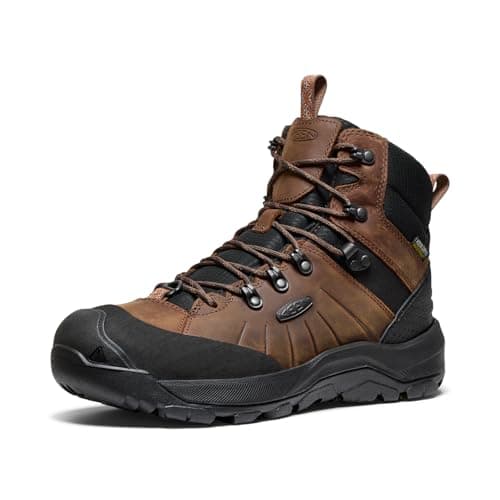
Boot Fit & Sizing
Hunting boot sizing guide
The sizing adjustment table, the five fit checks, and the two measurements shoe size tells you nothing about.
Brands: want your product tested? For Brands.