Rubber Boots
Best rubber hunting boots for walking
Most rubber boots are built to stand still in. A few are built to walk in, and the difference is weight at the end of your leg, where you feel every ounce of it.
Bog & Briar earns a commission when you buy through our links, at no extra cost to you. Prices come from Amazon and change; the date beside every price is when we last verified it. Full disclosure.
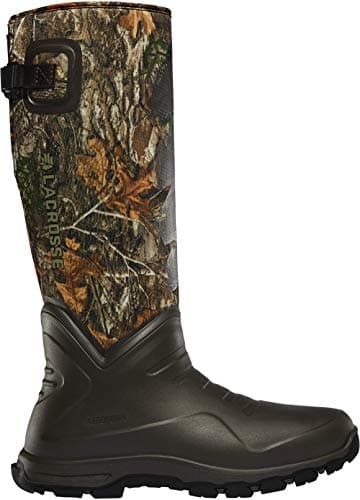
Best for covering ground
LaCrosse AeroHead Sport 16-inch, 7mm
Marsh walking where flex matters
Polyurethane over 7mm neoprene instead of rubber over neoprene: lighter, more flexible, and noticeably easier to walk a long way in than an Alphaburly.
#ad How we are funded · Price as of November 19, 2026
Quick picks
| # | Product | Insulation | Score | Price |
|---|---|---|---|---|
| Rank 1 | LaCrosse AeroHead Sport 16-inch, 7mm Marsh walking where flex matters | 7.0mm neoprene | 9.5/10 | $214.98Amazon |
| Rank 2 | 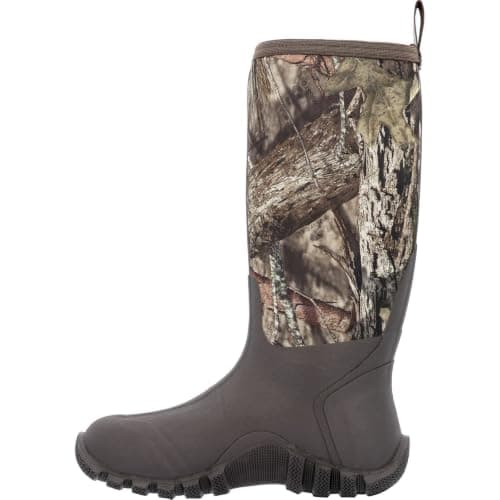 Muck Fieldblazer Classic A cheap tall neoprene boot | 4mm neoprene | 9.3/10 | $104.99Amazon |
| Rank 3 | 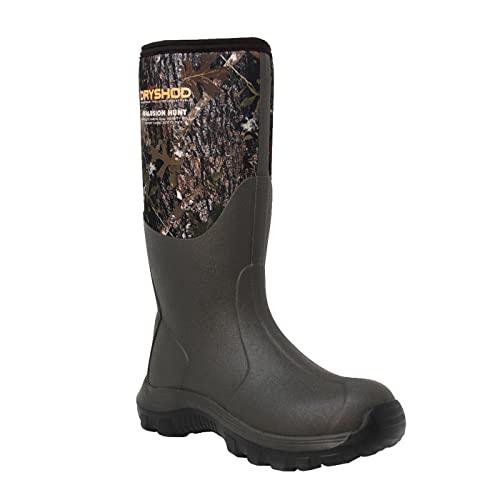 Dryshod Evalusion Hi Lightweight water coverage | Lightweight (manufacturer) | 9.2/10 | $189.95Amazon |
| Rank 4 | 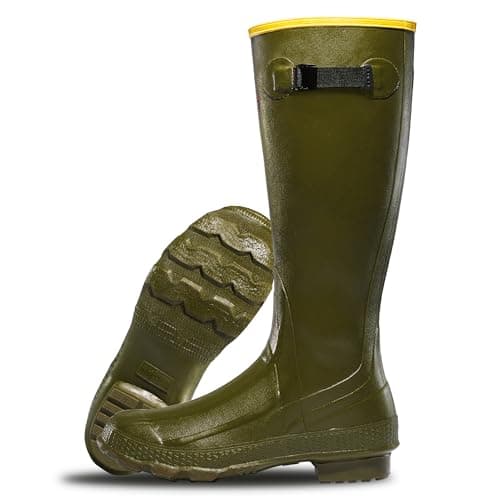 LaCrosse Grange 18-inch Uninsulated knee-high water work | None (uninsulated) | 9.3/10 | $99.95Amazon |
| Rank 5 | 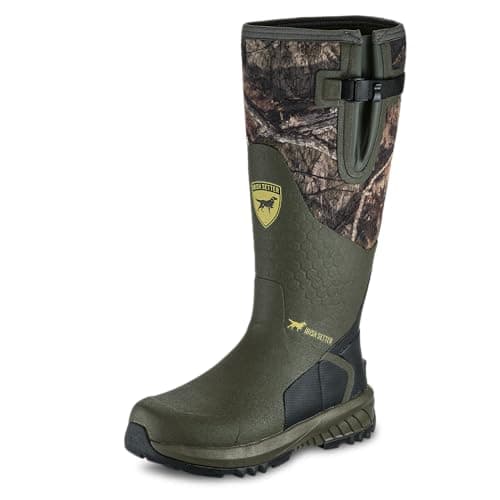 Irish Setter MudTrek 17-inch A full-fit rubber boot that walks | Not published | 9.5/10 | $199.95Amazon |
| Rank 6 | 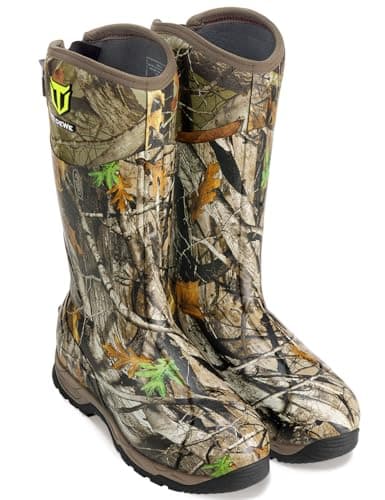 TIDEWE rubber hunting boot A first pair of rubber boots | Not published | 9.0/10 | $105.99Amazon |
#ad Prices come from Amazon and change. How this site is funded. Scores are our published editorial rubric — see our methodology.
The best rubber hunting boot for walking is the LaCrosse AeroHead Sport - a 16-inch polyurethane-over-neoprene pull-on. Polyurethane is lighter than vulcanized rubber for the same wall thickness, and because the boot is a single-piece construction over a neoprene bootie, the weight sits closer to your foot rather than out at the end of a heavy shaft. If you want the lightest option rather than the warmest, the uninsulated LaCrosse Grange weighs even less and gives up all of the insulation to do it.
This page exists because the standard advice - *do not walk in rubber boots* - is correct about 18-inch 1,600g pull-ons and wrong about the category as a whole. A mile in the right rubber boot is unremarkable. A mile in the wrong one will cost you the morning. Here is what separates them.
The three things that make a rubber boot walkable
- Weight, and where it sits. Every ounce at the foot costs several times what the same ounce costs in a pack. Thinner-walled polyurethane and foam-bootie constructions are meaningfully lighter than thick vulcanized rubber.
- A heel that is actually held. Pull-ons have no laces, so heel hold comes from the bootie and the topline. A boot that lets your heel lift a half inch on every step is a blister factory over distance.
- Flex at the forefoot. A stiff rubber shaft that does not bend where your foot bends makes you walk flat-footed, which is slow and tiring. Neoprene and foam-bootie uppers flex; thick vulcanized rubber resists.
What does *not* matter much: outsole aggression. Deep lugs help in mud and cost you nothing on the walk. What matters far more is whether the boot bends and whether it stays on your heel.
The picks
Ranked by how far you would willingly walk in them: light polyurethane first, then the flexible neoprene mid-weights, then the uninsulated featherweights.
#1 · Marsh walking where flex matters
#ad How we are funded · Price as of November 19, 2026
LaCrosse AeroHead Sport 16-inch, 7mm
LaCrossePolyurethane over 7mm neoprene instead of rubber over neoprene: lighter, more flexible, and noticeably easier to walk a long way in than an Alphaburly.
| Insulation | 7.0mm neoprene |
|---|---|
| Shaft height | 16 in |
| Upper | Polyurethane over neoprene |
| Liner | Jersey (manufacturer) |
| Fit | Pull-on, non-adjustable |
Specifications per LaCrosse Footwear published specifications.
What it does well
- The polyurethane shell resists abrasion better than it has any right to at this weight
- 7mm neoprene is warm for its bulk, so the boot is slimmer than an equivalent-warmth rubber boot
- Flexes at the ankle, which is why marsh and flooded-timber hunters pick it over a stiff pull-on
Good to know
- The gusset accommodates a range of calf sizes but does not adjust the way the Alphaburly's does - measure first if your calf is heavy
Our rubric — each criterion 0-10
- Warmth
- 8.0
- Waterproofing
- 9.2
- Fit
- 7.6
- Durability
- 8.6
- Value
- 8.4
#2 · A cheap tall neoprene boot
$140.00 25% off
#ad How we are funded · Price as of November 19, 2026
Muck Fieldblazer Classic
MuckThe entry point to tall Muck boots. Thinner neoprene and a simpler build, which is fine if your problem is water and mild cold rather than a static December sit.
| Insulation | 4mm neoprene |
|---|---|
| Shaft height | Not published by manufacturer |
| Upper | Rubber over 4mm neoprene |
| Fit | Pull-on, stretch-fit topline |
| Liner | Jersey |
Specifications per Muck Boot Company published specifications.
What it does well
- Tall waterproof coverage at a price that competes with uninsulated rubber
- Light enough to walk in for a tall boot
Good to know
- 4mm is a cool-weather spec, not a cold-weather one
Our rubric — each criterion 0-10
- Warmth
- 6.4
- Waterproofing
- 8.8
- Fit
- 8.2
- Durability
- 7.6
- Value
- 9.0
#3 · Lightweight water coverage
$204.95 7% off
#ad How we are funded · Price as of November 19, 2026
Dryshod Evalusion Hi
DryshodThe lightest tall boot Dryshod makes, aimed at hunters who want knee-high water protection without carrying a knee-high boot's weight all day.
| Insulation | Lightweight (manufacturer) |
|---|---|
| Shaft height | Not published by manufacturer |
| Upper | Rubber over foam bootie |
| Liner | Moisture-wicking airmesh |
| Fit | Pull-on |
What it does well
- Noticeably lighter than an insulated pull-on of the same height
- Breathes about as well as a rubber boot can
Good to know
- Lightweight means not warm - pair with a real sock below 45F
Our rubric — each criterion 0-10
- Warmth
- 5.4
- Waterproofing
- 9.0
- Fit
- 8.6
- Durability
- 7.8
- Value
- 8.2
#4 · Uninsulated knee-high water work
#ad How we are funded · Price as of November 19, 2026
LaCrosse Grange 18-inch
LaCrosseAn uninsulated ZXT rubber knee boot that has been in the catalog for decades. Buy it for water, not for warmth, and put the warmth in your sock.
| Insulation | None (uninsulated) |
|---|---|
| Shaft height | 18 in |
| Upper | ZXT rubber |
| Liner | Unlined |
| Fit | Pull-on |
Specifications per LaCrosse Footwear published specifications.
What it does well
- Cheap, nearly indestructible, and the pattern has barely changed because it did not need to
- Uninsulated means you control warmth with socks instead of being locked into one temperature
- A sane early-season and chore boot that happens to be scent-free
Good to know
- Cold on its own below about 45F - this is a feature, not a flaw, but buyers get it wrong
Our rubric — each criterion 0-10
- Warmth
- 4.0
- Waterproofing
- 9.4
- Fit
- 7.8
- Durability
- 9.4
- Value
- 9.4
#5 · A full-fit rubber boot that walks
#ad How we are funded · Price as of November 19, 2026
Irish Setter MudTrek 17-inch
Irish SetterIrish Setter's rubber boot, built on a full-fit last rather than the loose tube most pull-ons use - which is why it walks better than its height suggests.
| Insulation | Not published by manufacturer |
|---|---|
| Shaft height | 17 in |
| Upper | Rubber over neoprene |
| Fit | Full fit, pull-on |
| Widths | Standard and wide offered |
Specifications per Irish Setter published specifications.
What it does well
- A wide option, which almost no knee-high rubber boot offers
- The full-fit last means less heel slip, so fewer blisters on a long walk-in
Good to know
- Insulation varies by listing; check before buying for cold
Our rubric — each criterion 0-10
- Warmth
- 6.8
- Waterproofing
- 9.0
- Fit
- 8.8
- Durability
- 8.4
- Value
- 8.6
#6 · A first pair of rubber boots
#ad How we are funded · Price as of November 19, 2026
TIDEWE rubber hunting boot
TIDEWEThe entry point: a knee-high waterproof rubber boot at a price where buying the wrong thing does not hurt much.
| Insulation | Not published by manufacturer |
|---|---|
| Shaft height | Not published by manufacturer |
| Upper | Rubber over neoprene |
| Fit | Pull-on |
| Outsole | Multi-directional lug |
What it does well
- Cheap enough to own alongside a better boot for specific conditions
- Full knee-high water coverage, which is the one thing you cannot fake
Good to know
- Insulation varies between listings under similar names - read carefully
Our rubric — each criterion 0-10
- Warmth
- 5.6
- Waterproofing
- 8.4
- Fit
- 7.0
- Durability
- 6.2
- Value
- 9.2
Insulation is the enemy of walking
This is the trade-off that decides every pick above. Insulation does not only add weight - it traps the heat your legs produce while walking, which means you sweat, which means the liner is damp when you stop. A hunter who walks a mile to a stand in a 1,600g boot arrives warmer than they want to be and gets colder than they expected within twenty minutes of sitting down.
| Insulation | Walking range | Sitting range | Buy it if |
|---|---|---|---|
| None (Grange) | Several miles | Above about 50F only | You walk and never sit still |
| 4 to 5mm neoprene | A mile or two | Down to about freezing | You walk in, then sit for an hour |
| 7mm neoprene | Under a mile | Into the 20s F | The sit is longer than the walk |
| 800g and up | A few hundred yards | Into the teens F | You barely walk at all |
| 1,600g | Truck to stand | Below 0F | You do not walk, period |
The useful consequence: if your hunt involves real walking and real sitting, the answer is often two cheap boots rather than one expensive one - an uninsulated or lightly insulated pull-on for the approach and the scouting, and a tall insulated boot that lives in the truck or the blind for the sit. The insulated rubber boot picks cover the second half of that pair.
Fit a pull-on for distance, not for ease
A rubber boot that slips on easily is a rubber boot your heel moves in. Over 200 yards that is nothing; over two miles it is a blister on the Achilles. Three fixes, in order of effectiveness:
- A volume-filling insole. The stock footbed in most pull-ons is a flat sheet of EVA. A structured insole takes up slack and locks the heel down - see the insole guide.
- A thicker sock, deliberately. Unlike a lace-up, a pull-on usually has volume to spare, so a heavyweight merino both insulates and takes up slack. Sock picks here.
- The right size, which is often not your shoe size. Pull-ons run large and inconsistently between makers. The method is in the sizing guide.
Shaft height costs you more than you think
An 18-inch shaft is three or four inches of extra material swinging at the end of your leg, and on a long walk it also rubs behind the knee. If you are walking, buy the shortest shaft that clears the water you actually cross. A 16-inch boot clears almost everything a whitetail hunter walks through; 18 inches is for standing in flooded timber. The knee-high roundup is the page for when you genuinely need the height.
Dry them, or the second day is worse than the first
Rubber does not breathe. Whatever sweat you generate on a walk stays inside the boot, and a damp neoprene liner on day two is both colder and more blister-prone than a dry one. Pull the footbed out, stand the boots upside down, and if you hunt consecutive days use a dryer - the forced-air versus convection page explains which type handles a tall pull-on.
Our recommendation
If you only take one thing from this page, take this one.
Our pick
LaCrosse AeroHead Sport 16-inch, 7mm
Marsh walking where flex matters
#ad How we are funded · Price as of November 19, 2026
Runner-up
Muck Fieldblazer Classic
A cheap tall neoprene boot
#ad How we are funded · Price as of November 19, 2026
Frequently asked questions
Can you walk long distances in rubber hunting boots?
What is the lightest rubber hunting boot?
Why do my feet blister in rubber boots?
Should I buy insulated or uninsulated rubber boots for walking?
Sources
Read next
Rubber Boots
The best rubber hunting boots
Six rubber boots ranked on height, calf fit, insulation and how each one eventually fails.
Rubber Boots
Early-season rubber boots: buy uninsulated
Most rubber boots sold are insulated, and in September that is the wrong boot. What to buy instead.
Rubber Boots
Best knee-high rubber hunting boots
Sixteen to eighteen inches of coverage, and the calf measurement that decides which of them you can get on.
Boot Fit & Sizing
Best hunting boots for hiking
If you walk more than you sit, most of the hunting aisle is wrong for you. What works, and when to buy a hiker.
Brands: want your product tested? For Brands.