Brands
Crispi vs Kenetrek
Two premium mountain boots that get compared constantly and are actually built for different feet. The decision is narrower than the price tags suggest - it is mostly about your heel.
Bog & Briar earns a commission when you buy through our links, at no extra cost to you. Prices come from Amazon and change; the date beside every price is when we last verified it. Full disclosure.
Head to head
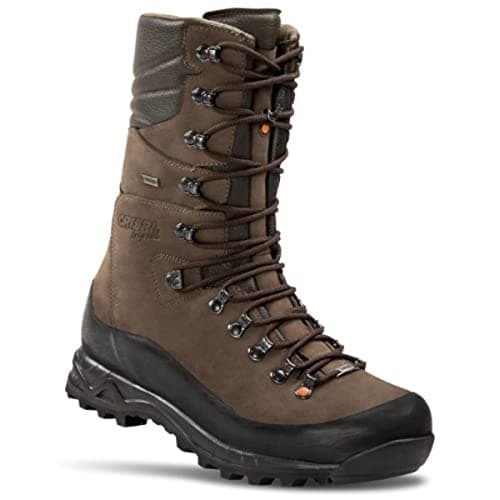
Crispi Hunter GTX
Mountain hunters who want a narrower last
Crispi's reputation rests on last shape and ankle flex rather than raw stiffness, and the Hunter GTX is the model most mountain hunters start with.
#ad How we are funded · Price as of November 19, 2026
Quick picks
| # | Product | Shaft height | Score | Price |
|---|---|---|---|---|
| Rank 1 | Crispi Hunter GTX Mountain hunters who want a narrower last | Not published | 9.2/10 | $435.50Amazon |
| Rank 2 | 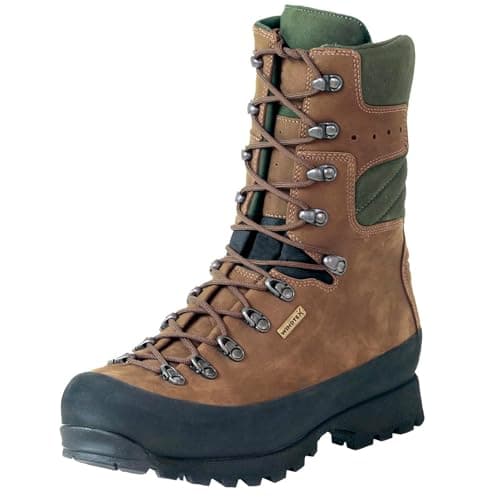 Kenetrek Mountain Extreme 400 Steep country with a heavy pack | 10 in | 9.4/10 | $404.96Amazon |
| Rank 3 | 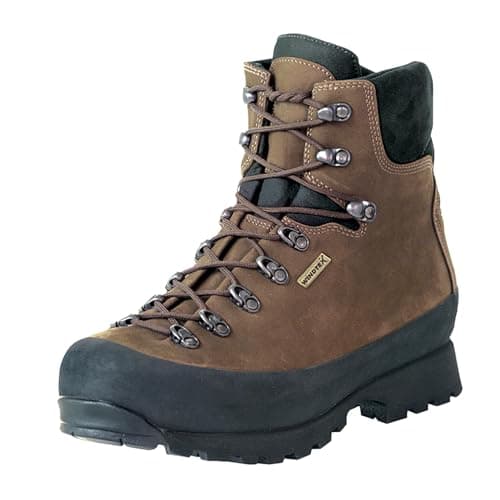 Kenetrek Hardscrabble Hiker Early-season mountain hunts | 7 in | 9.0/10 | $352.46Amazon |
| Rank 4 | 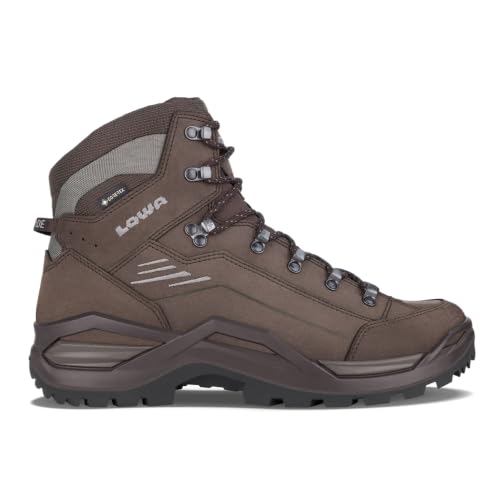 Lowa Renegade EVO GTX Mid Wide-ish feet that need a hiker | Mid | 9.1/10 | $279.95Amazon |
| Rank 5 | 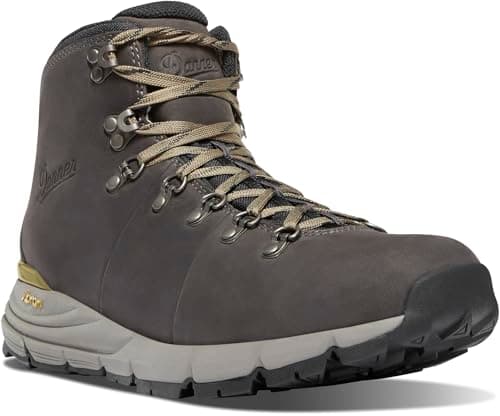 Danner Mountain 600 Leaf GTX Scouting and warm-weather miles | Not published | 9.1/10 | $233.81Amazon |
#ad Prices come from Amazon and change. How this site is funded. Scores are our published editorial rubric — see our methodology.
Buy Kenetrek if your feet are standard to slightly wide and you carry heavy loads on steep ground; buy Crispi if your feet are narrow to medium and you want ankle support without a plank underfoot. That is the decision, and it is a fit question rather than a quality question - both are premium, resoleable, genuinely capable mountain boots, and neither is better than the other in the abstract.
The reason this comparison comes up so often is that the two brands occupy the same price shelf and the same pitch - serious boots for serious mountain hunting - while being built on opposite design philosophies. Kenetrek's answer is stiffness. Crispi's answer is supported flex. Everything else follows from that.
The two brands, and the boots to compare them against
The Crispi Hunter GTX, two Kenetreks at different stiffness, and two mid-priced alternatives worth considering before you spend premium money.
#1 · Mountain hunters who want a narrower last
#ad How we are funded · Price as of November 19, 2026
Crispi Hunter GTX
CrispiCrispi's reputation rests on last shape and ankle flex rather than raw stiffness, and the Hunter GTX is the model most mountain hunters start with.
| Insulation | Not published by manufacturer |
|---|---|
| Shaft height | Not published by manufacturer |
| Upper | Leather |
| Waterproofing | Gore-Tex (manufacturer) |
| Fit | Lace-up, European last |
What it does well
- Fits narrow and medium feet better than most American hunting lasts
- Ankle support without the plank-stiff feel of a full mountaineering boot
Good to know
- Sizing is European and runs differently from US boots - order carefully
Our rubric — each criterion 0-10
- Warmth
- 5.0
- Waterproofing
- 8.8
- Fit
- 9.4
- Durability
- 9.2
- Value
- 6.6
#2 · Steep country with a heavy pack
$539.95 25% off
#ad How we are funded · Price as of November 19, 2026
Kenetrek Mountain Extreme 400
KenetrekA full-shank mountain boot with only 400g of insulation, and that pairing is deliberate: in steep country you generate your own heat and need support, not loft.
| Insulation | 400g Thinsulate |
|---|---|
| Shaft height | 10 in |
| Upper | 2.8mm full-grain leather |
| Midsole | Full-length nylon shank |
| Waterproofing | Windtex membrane (manufacturer) |
Specifications per Kenetrek published specifications.
What it does well
- The stiff shank is what stops your feet dying on a sidehill under 60 pounds
- One-piece leather upper with minimal seams - the fewest failure points here
- Resoleable, which matters at this price
Good to know
- The most expensive boot in this registry by a wide margin
Our rubric — each criterion 0-10
- Warmth
- 6.8
- Waterproofing
- 8.8
- Fit
- 9.0
- Durability
- 9.8
- Value
- 6.6
#3 · Early-season mountain hunts
#ad How we are funded · Price as of November 19, 2026
Kenetrek Hardscrabble Hiker
KenetrekThe uninsulated Kenetrek. Same build philosophy as the Mountain Extreme without the insulation, for September elk when the problem is miles and not cold.
| Insulation | None (uninsulated) |
|---|---|
| Shaft height | 7 in |
| Upper | Full-grain leather |
| Midsole | Nylon shank |
| Waterproofing | Windtex membrane (manufacturer) |
Specifications per Kenetrek published specifications.
What it does well
- Supports a loaded pack without cooking your feet in warm weather
- Resoleable and built to be kept
Good to know
- Expensive for an uninsulated boot
Our rubric — each criterion 0-10
- Warmth
- 3.2
- Waterproofing
- 8.6
- Fit
- 9.0
- Durability
- 9.6
- Value
- 6.8
#4 · Wide-ish feet that need a hiker
#ad How we are funded · Price as of November 19, 2026
Lowa Renegade EVO GTX Mid
LowaThe most-sold hiking boot in its class for a reason: a forgiving last, a genuine Gore-Tex membrane, and almost no break-in.
| Insulation | None (uninsulated) |
|---|---|
| Shaft height | Mid |
| Upper | Nubuck leather |
| Waterproofing | Gore-Tex (manufacturer) |
| Widths | Standard and wide offered |
What it does well
- Available in a true wide, which rules most hunting boots out of contention
- Comfortable immediately
Good to know
- Uninsulated and mid-height - a three-season scouting boot only
Our rubric — each criterion 0-10
- Warmth
- 3.2
- Waterproofing
- 8.6
- Fit
- 9.6
- Durability
- 8.6
- Value
- 7.8
#5 · Scouting and warm-weather miles
$249.95 6% off
#ad How we are funded · Price as of November 19, 2026
Danner Mountain 600 Leaf GTX
DannerNot a hunting boot in the insulated sense - an uninsulated Gore-Tex hiker that happens to be the right tool for August scouting and September archery.
| Insulation | None (uninsulated) |
|---|---|
| Shaft height | Not published by manufacturer |
| Upper | Suede leather |
| Waterproofing | Gore-Tex (manufacturer) |
| Outsole | Vibram SPE/Megagrip |
Specifications per Danner published specifications.
What it does well
- Comfortable out of the box in a way no insulated hunting boot is
- Vibram Megagrip is the best wet-rock outsole in this list
Good to know
- Zero insulation - this is the wrong boot the moment it gets cold
Our rubric — each criterion 0-10
- Warmth
- 3.0
- Waterproofing
- 8.6
- Fit
- 9.4
- Durability
- 8.4
- Value
- 8.4
The core difference, in one table
| Crispi | Kenetrek | |
|---|---|---|
| Last | Narrow to medium, European | Standard to slightly wide, American |
| Stiffness | Supportive with deliberate ankle flex | Very stiff, full-length nylon shank |
| Published insulation | Varies by model, often not stated per listing | 400g Thinsulate on the Mountain Extreme, none on the Hardscrabble |
| Upper | Leather, Gore-Tex lined | 2.8mm full-grain leather, Windtex membrane |
| Sizing | European numbers - conversion is the risk | US sizing |
| Resoleable | Yes | Yes |
| Best at | Long days where natural ankle movement matters | Carrying meat down steep, broken ground |
Why stiffness is the real decision
A stiff boot with a full-length shank transfers load from your foot into the boot structure. On a steep sidehill with 60 lb on your back, that is the difference between arriving functional and arriving with your arches cramping - the boot is doing work your foot would otherwise do.
The cost of that stiffness is real too. A plank-stiff boot is tiring on flat ground and slow over variable terrain, because your ankle cannot articulate and every step is a controlled fall onto a rigid platform. It also takes longer to break in, and it punishes a fit error more than a flexible boot does.
- Pick stiffness if your hunt is packing out heavy loads, if the ground is steep and rocky, or if you use crampons or step-in traction.
- Pick supported flex if your hunt is long miles over mixed ground, if you have had Achilles or calf trouble in rigid boots, or if you want one boot that also works for scouting.
- Pick neither if you are not actually mountain hunting. A $400 mountain boot is wasted on a ladder stand - the honest alternative is in best hunting boots for men.
The fit question, which matters more than either brand
Both makers are precise about fit, which means both punish the wrong foot shape. Three things to establish before you spend:
- Heel width. Crispi's European last is narrower through the heel and midfoot. If American hunting boots feel sloppy at the back of your foot, that is the signal to try Crispi. If they fit fine, Crispi may pinch.
- Volume over the instep. A high instep in a narrow last means lace pressure on the top of the foot, which numbs the forefoot. Kenetrek's American last has more room here.
- Width at the ball. Kenetrek runs standard to slightly wide; Crispi does not offer a true wide. Genuinely wide feet should be looking at the wide-feet roundup rather than at either of these.
Insulation, and why it is not a tie-breaker
Kenetrek publishes 400g Thinsulate on the Mountain Extreme and nothing on the uninsulated Hardscrabble, which is a clean, usable spec. Crispi's insulation is less consistently published per listing, which is a real problem if you are buying for cold.
But for mountain hunting, 400g is close to the right answer for almost everyone anyway, because you are moving. The hunter who needs 1,000g is sitting still, and a sitting hunter should not be buying either of these boots. If warmth is your actual problem, the gram-weight pages are a better place to spend.
What you are really paying for
Both brands cost two to three times a competent mid-priced boot, and the premium buys four things:
- A last built to a tighter tolerance, which is what makes a long day survivable.
- A full-length shank or equivalent structure, which mid-priced boots omit.
- Thicker leather - 2.8mm on the Kenetrek - which resists rock abrasion for years rather than seasons.
- Resoleability, which means the boot is an asset you maintain rather than a consumable you replace.
If you will not use at least three of those, the honest recommendation is to buy a Lowa Renegade or a Danner Mountain 600 and spend the difference on a sock drawer and an insole. Both are in the picks above for exactly that reason, and the Renegade also comes in a wide.
There is a third import in this conversation that neither of these two addresses: if your feet are genuinely wide, Meindl builds its Comfort Fit boots on a deliberately broad last and publishes a pair weight for every model, which is more than either brand above does. It is the same money and the same capability class - it simply fits a different foot.
The verdict
- Heavy pack, steep ground, standard-width feet: Kenetrek Mountain Extreme.
- Long miles, mixed ground, narrow to medium feet: Crispi Hunter GTX.
- Steep ground but you want less boot: Kenetrek Hardscrabble, uninsulated.
- Wide feet: neither - Lowa Renegade in a wide.
- Not actually mountain hunting: Danner Mountain 600, and keep the $200.
Our recommendation
If you only take one thing from this page, take this one.
Our pick
Crispi Hunter GTX
Mountain hunters who want a narrower last
#ad How we are funded · Price as of November 19, 2026
Runner-up
Kenetrek Mountain Extreme 400
Steep country with a heavy pack
#ad How we are funded · Price as of November 19, 2026
Frequently asked questions
Crispi or Kenetrek - which is better?
Do Crispi boots run narrow?
Are Kenetrek boots too stiff?
How do I convert Crispi sizes to US?
Can both Crispi and Kenetrek be resoled?
Sources
Read next
Brands
Crispi hunting boots
Mountain boots on a European last, built around ankle flex rather than raw stiffness. Narrow, expensive, specific.
Boot Fit & Sizing
Best mountain hunting boots
The one category where price tracks capability. What a $500 boot does structurally that a $200 boot cannot.
Boot Fit & Sizing
Best boots for elk hunting
A mileage problem, not a temperature problem. Shanks, modest insulation, and a break-in that starts in July.
Boot Fit & Sizing
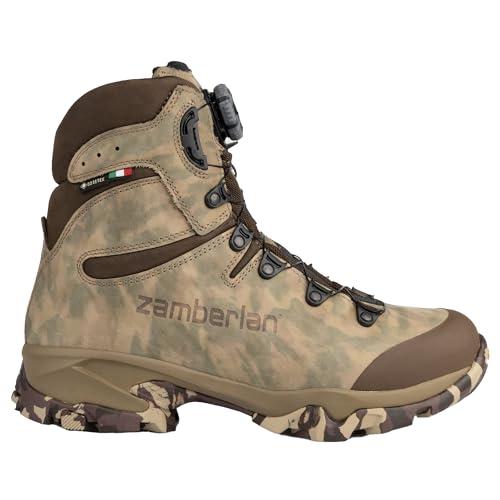
Hunting boots with a BOA system
There is essentially one BOA hunting boot in circulation. What exists, what the dial actually does, and the lacing pattern that replaces it.
Brands
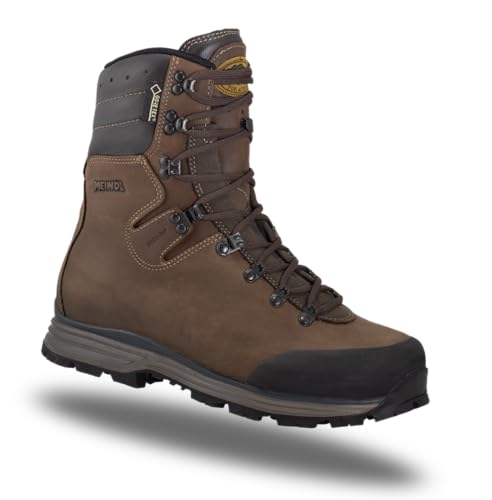
Meindl hunting boots
A German import that publishes pair weights and shaft heights, builds a genuinely wide last, and tops out at 400g - a walking brand, not a sitting one.
Brands
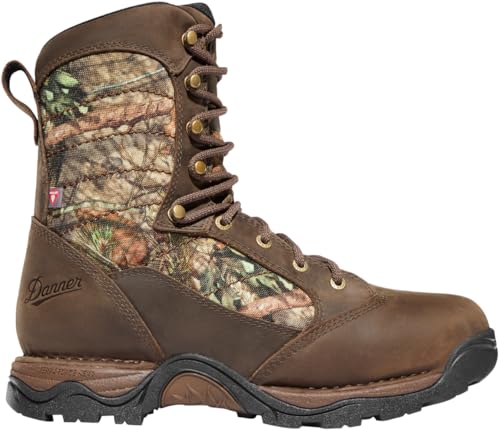
Danner vs Irish Setter
The two brands compared on membranes, insulation range and price across three matched pairs - and the one category where only one of them competes.