Rubber Boots
Muck boot alternatives
Muck is the neoprene specialist, and for a long cold sit it is still the category answer. Most people looking for an alternative want one specific thing Muck does not build - so this page is organized by which thing.
Bog & Briar earns a commission when you buy through our links, at no extra cost to you. Prices come from Amazon and change; the date beside every price is when we last verified it. Full disclosure.
Muck alternatives
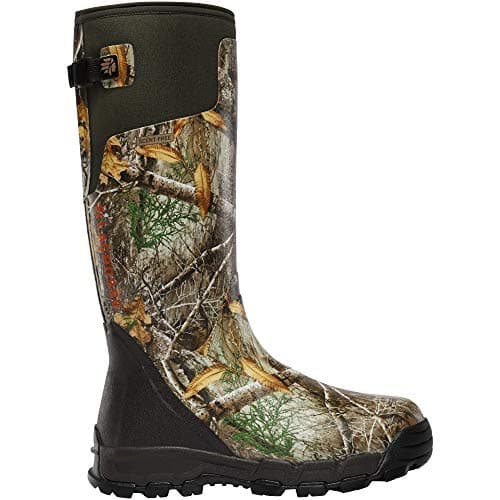
LaCrosse Alphaburly Pro 18-inch, 400g
Early season and warm-weather water
400g is an early-season spec and the boot is honest about it. Buy this if your problem is wet ground in September, not cold feet in December.
#ad How we are funded · Price as of November 19, 2026
Quick picks
| # | Product | Insulation | Score | Price |
|---|---|---|---|---|
| Rank 1 | LaCrosse Alphaburly Pro 18-inch, 400g Early season and warm-weather water | 400g | 9.5/10 | $178.35Amazon |
| Rank 2 | 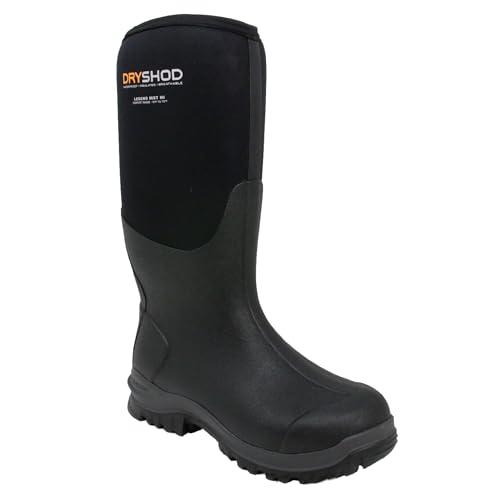 Dryshod Legend MXT A mid-price tall rubber boot | Not published | 9.3/10 | $107.75Amazon |
| Rank 3 | 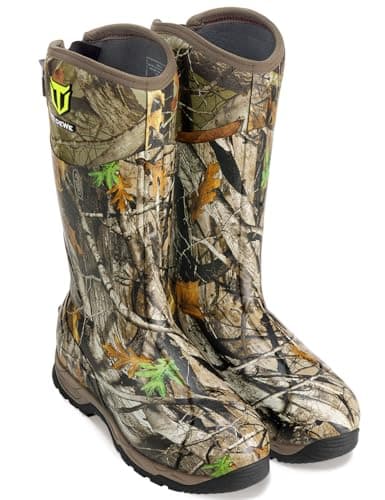 TIDEWE 800g insulated rubber boot Insulated rubber on a tight budget | 800g | 9.2/10 | $116.99Amazon |
| Rank 4 | 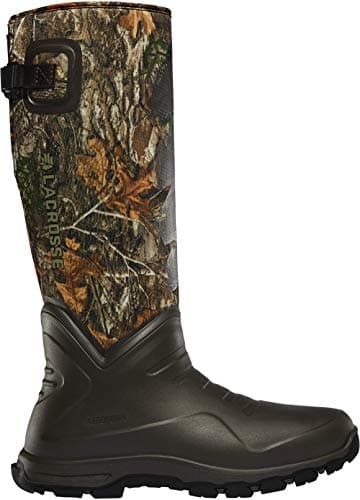 LaCrosse AeroHead Sport 16-inch, 7mm Marsh walking where flex matters | 7.0mm neoprene | 9.5/10 | $214.98Amazon |
| Rank 5 | 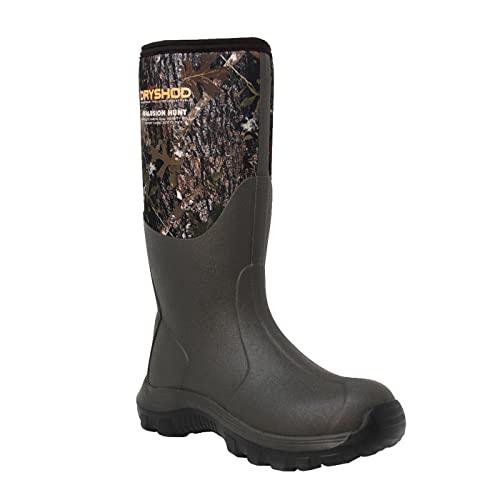 Dryshod Evalusion Hi Lightweight water coverage | Lightweight (manufacturer) | 9.2/10 | $189.95Amazon |
| Rank 6 | 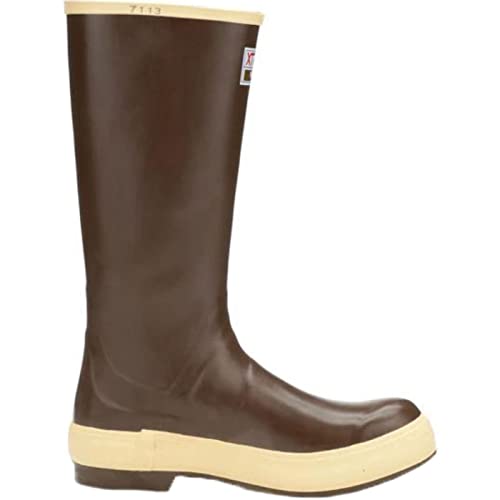 Xtratuf Legacy 15-inch Boats, decks and salt water | None (uninsulated) | 9.2/10 | $160.00Amazon |
| Rank 7 | 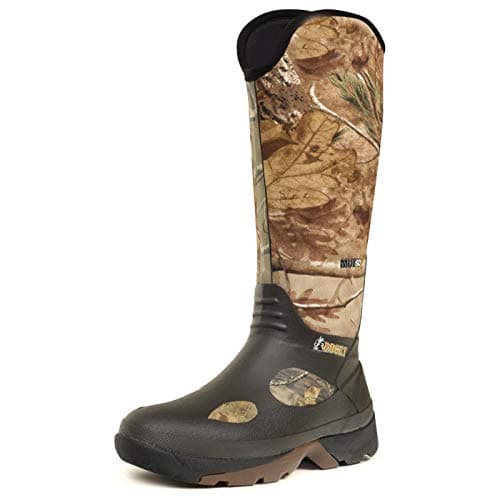 Rocky Mudsox 16-inch A plain, tough rubber boot | Neoprene (thickness not published) | 9.3/10 | $113.00Amazon |
| Rank 8 | 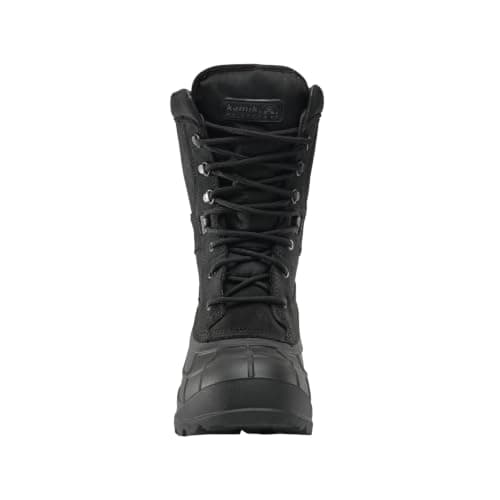 Kamik Nation Plus Cheap warmth with a removable liner | 8mm removable liner | 9.3/10 | $99.99Amazon |
#ad Prices come from Amazon and change. How this site is funded. Scores are our published editorial rubric — see our methodology.
If you want a Muck boot that fits your calf, buy a LaCrosse Alphaburly Pro. If you want a Muck boot that costs less, buy a Dryshod Legend MXT or a Rocky Mudsox. Those two sentences cover most of the reason anyone searches for this. The rest of the page works through the other reasons and names the boot for each.
Start with what Muck is actually known for, because it is worth being accurate about the thing you are replacing. Muck builds neoprene-first: a thick neoprene bootie with a rubber shell over it, rather than rubber with a liner inside. That gives you a boot that flexes with the leg instead of fighting it, needs no break-in, warms well for its bulk, and - almost uniquely in this category - comes with a published static temperature rating rather than a gram figure. Muck rates the Arctic Pro to -60F for static use and the Arctic Sport to -40F. For a hunter who sits still in genuine cold, that is the right specification measured the right way, and the honest answer is often that nothing on this page beats it at that one job. The whole range is laid out on the Muck brand page.
So this is not a page about a bad boot. It is a page about a handful of specific gaps in an otherwise strong line, and which maker fills each one.
The picks
Eight alternatives, each the answer to a different reason for leaving. Every one was live and buyable when this page was published.
#1 · Early season and warm-weather water
#ad How we are funded · Price as of November 19, 2026
LaCrosse Alphaburly Pro 18-inch, 400g
LaCrosse400g is an early-season spec and the boot is honest about it. Buy this if your problem is wet ground in September, not cold feet in December.
| Insulation | 400g |
|---|---|
| Shaft height | 18 in |
| Upper | Vulcanized rubber over neoprene |
| Calf fit | Adjustable back gusset |
| Liner | Removable EVA footbed |
Specifications per LaCrosse Footwear published specifications.
What it does well
- Walkable in a way the 1,600g version is not
- Still knee-high waterproof, so flooded timber and beaver sloughs are no problem
- Usually the cheapest Alphaburly, and the gusset is unchanged
Good to know
- You will be cold sitting still below about 40F
Our rubric — each criterion 0-10
- Warmth
- 6.0
- Waterproofing
- 9.4
- Fit
- 8.6
- Durability
- 9.0
- Value
- 9.2
#2 · A mid-price tall rubber boot
$154.95 30% off
#ad How we are funded · Price as of November 19, 2026
Dryshod Legend MXT
DryshodDryshod's plainer tall boot. Fewer features, less foam, lower price - and still a fully waterproof knee-high with a wicking liner.
| Insulation | Not published by manufacturer |
|---|---|
| Shaft height | Not published by manufacturer |
| Upper | Rubber over foam bootie |
| Liner | Moisture-wicking |
| Fit | Pull-on |
What it does well
- Good value for a knee-high waterproof boot
- The wicking liner handles a sweaty walk-in better than fleece
Good to know
- Insulation is not published for this model - treat it as cool, not cold
Our rubric — each criterion 0-10
- Warmth
- 6.0
- Waterproofing
- 9.0
- Fit
- 7.8
- Durability
- 8.0
- Value
- 8.8
#3 · Insulated rubber on a tight budget
#ad How we are funded · Price as of November 19, 2026
TIDEWE 800g insulated rubber boot
TIDEWE800g of insulation in a knee-high rubber boot for roughly half what the name brands charge. The tradeoff is longevity, not warmth.
| Insulation | 800g |
|---|---|
| Shaft height | Not published by manufacturer |
| Upper | Rubber over neoprene |
| Liner | Insulated |
| Fit | Pull-on |
What it does well
- The cheapest honest 800g knee boot on the market
- For an occasional hunter who needs water and warmth once a year, the value case is real
Good to know
- Buyers consistently report the rubber-to-neoprene bond is where these fail
Our rubric — each criterion 0-10
- Warmth
- 8.0
- Waterproofing
- 8.4
- Fit
- 7.0
- Durability
- 6.2
- Value
- 9.4
#4 · Marsh walking where flex matters
#ad How we are funded · Price as of November 19, 2026
LaCrosse AeroHead Sport 16-inch, 7mm
LaCrossePolyurethane over 7mm neoprene instead of rubber over neoprene: lighter, more flexible, and noticeably easier to walk a long way in than an Alphaburly.
| Insulation | 7.0mm neoprene |
|---|---|
| Shaft height | 16 in |
| Upper | Polyurethane over neoprene |
| Liner | Jersey (manufacturer) |
| Fit | Pull-on, non-adjustable |
Specifications per LaCrosse Footwear published specifications.
What it does well
- The polyurethane shell resists abrasion better than it has any right to at this weight
- 7mm neoprene is warm for its bulk, so the boot is slimmer than an equivalent-warmth rubber boot
- Flexes at the ankle, which is why marsh and flooded-timber hunters pick it over a stiff pull-on
Good to know
- The gusset accommodates a range of calf sizes but does not adjust the way the Alphaburly's does - measure first if your calf is heavy
Our rubric — each criterion 0-10
- Warmth
- 8.0
- Waterproofing
- 9.2
- Fit
- 7.6
- Durability
- 8.6
- Value
- 8.4
#5 · Lightweight water coverage
$204.95 7% off
#ad How we are funded · Price as of November 19, 2026
Dryshod Evalusion Hi
DryshodThe lightest tall boot Dryshod makes, aimed at hunters who want knee-high water protection without carrying a knee-high boot's weight all day.
| Insulation | Lightweight (manufacturer) |
|---|---|
| Shaft height | Not published by manufacturer |
| Upper | Rubber over foam bootie |
| Liner | Moisture-wicking airmesh |
| Fit | Pull-on |
What it does well
- Noticeably lighter than an insulated pull-on of the same height
- Breathes about as well as a rubber boot can
Good to know
- Lightweight means not warm - pair with a real sock below 45F
Our rubric — each criterion 0-10
- Warmth
- 5.4
- Waterproofing
- 9.0
- Fit
- 8.6
- Durability
- 7.8
- Value
- 8.2
#6 · Boats, decks and salt water
#ad How we are funded · Price as of November 19, 2026
Xtratuf Legacy 15-inch
XtratufA commercial fishing boot, not a hunting boot - and the best wet-deck traction here. Worth knowing about if your duck hunting happens in a boat.
| Insulation | None (uninsulated) |
|---|---|
| Shaft height | 15 in |
| Upper | Triple-dipped neoprene rubber |
| Outsole | Chevron, non-marking |
| Fit | Pull-on |
What it does well
- The chevron outsole is the gold standard on a wet boat deck
- Triple-dipped rubber handles salt and fish slime indefinitely
Good to know
- Uninsulated, and the traction advantage disappears on mud
Our rubric — each criterion 0-10
- Warmth
- 3.6
- Waterproofing
- 9.4
- Fit
- 8.0
- Durability
- 9.0
- Value
- 8.4
#7 · A plain, tough rubber boot
#ad How we are funded · Price as of November 19, 2026
Rocky Mudsox 16-inch
RockyRocky's no-frills neoprene-and-rubber pull-on. Nothing clever, nothing to break, and it costs what a rubber boot ought to cost.
| Insulation | Neoprene (thickness not published) |
|---|---|
| Shaft height | 16 in |
| Upper | Rubber over neoprene |
| Fit | Pull-on |
| Outsole | Lug |
Specifications per Rocky Boots published specifications.
What it does well
- Simple and hard to kill
- Cheaper than the equivalent Muck or LaCrosse
Good to know
- Neoprene thickness is not published, so warmth is a guess until you wear it
Our rubric — each criterion 0-10
- Warmth
- 6.4
- Waterproofing
- 8.8
- Fit
- 7.6
- Durability
- 8.2
- Value
- 9.0
#8 · Cheap warmth with a removable liner
#ad How we are funded · Price as of November 19, 2026
Kamik Nation Plus
KamikA rubber-bottom, nylon-top pac boot with a removable 8mm liner. The liner is the point: you can dry it overnight, which no sealed boot lets you do.
| Insulation | 8mm removable liner |
|---|---|
| Temperature rating | -40F (manufacturer) |
| Shaft height | Not published by manufacturer |
| Upper | Rubber bottom, nylon shell |
| Liner | Removable |
What it does well
- A removable liner dries in a night; a sealed boot does not
- The cheapest published -40F rating you will find
- Nylon shell is light for the warmth
Good to know
- A snow boot, not a hunting boot - loose fit, no ankle support, noisy nylon
Our rubric — each criterion 0-10
- Warmth
- 9.0
- Waterproofing
- 7.2
- Fit
- 7.0
- Durability
- 7.6
- Value
- 9.4
The reasons people look for an alternative
| What sends you looking | Why Muck does not solve it | The alternative |
|---|---|---|
| Calf fit - the boot is loose or tight at the top | Muck uses a stretch-fit topline with no adjustment on any model | LaCrosse Alphaburly Pro - adjustable back gusset |
| Price | Neoprene-first construction costs what it costs | Dryshod Legend MXT, Rocky Mudsox, TIDEWE 800g, Kamik Nation Plus |
| Abrasion resistance in rock, stubble or on a boat | Thinner neoprene is the first thing to split under hard use | Xtratuf Legacy - triple-dipped rubber, chevron outsole |
| A gram rating you can cross-shop | Muck publishes millimeters of neoprene and a temperature range instead | LaCrosse Alphaburly Pro, TIDEWE 800g - both published in grams |
| Weight on a long walk | The warm models are heavy by design | Dryshod Evalusion Hi, LaCrosse AeroHead Sport |
One important non-reason: do not switch brands to get a bigger warmth number. Muck's temperature ranges and LaCrosse's gram ratings are different specifications and cannot be converted into each other, which neoprene vs rubber explains properly. A 1,600g boot is not simply more than an 8mm neoprene boot; they are measured on different scales by different companies.
How we picked
- It has to close a specific gap. Every pick below beats Muck at one nameable thing - calf adjustment, price, abrasion resistance, weight or a cross-shoppable rating. A boot that is merely a different brand is not an alternative, it is a lateral move.
- Knee-high waterproof, unless noted. The reason to own a boot like this is sealed coverage with no seam to fail. Most of these are tall; the ones that are not say so.
- A published figure where the maker prints one. Several of these publish no insulation figure at all, and the table shows the blank instead of a guess.
- Currently purchasable. Every ASIN here returned a live, buyable offer when the page was written. Rubber boots are a seasonal category and the discontinued ones linger in search results for years.
- A named budget pick. The Kamik Nation Plus is the cheapest thing here we would hunt in, and its trade-offs are spelled out below rather than buried.
If you are leaving over calf fit
This is the big one, and it is a structural difference rather than a sizing fluke. Muck's stretch topline is designed to seal against the leg, which works beautifully on an average calf and poorly at both extremes. A heavy calf fights the topline; a slim calf lets the boot rotate, and a rotating boot rubs.
The LaCrosse Alphaburly Pro is the fix, because it has an adjustable back gusset you can cinch or let out. The 400g version listed here is the walkable one and usually the price leader in the family - buy it if your problem is wet ground in September rather than cold feet in December, because you will be cold sitting still below roughly 40F. The trap is that the 400g looks identical to the 1,600g, and buyers mistake one for the other constantly. Our Alphaburly Pro review covers the whole family, and rubber boots for wide calves is the page to read if the calf is the whole problem.
If you are leaving over price
Four picks sit below the Muck hunting line, and they are not equivalent to each other.
The Dryshod Legend MXT is the closest like-for-like: a plain tall boot, fully waterproof, with a moisture-wicking liner that handles a sweaty walk-in better than fleece does. Dryshod publishes no insulation figure for it, so treat it as cool rather than cold, and there is no calf adjustment - it closes the price gap and not the fit gap.
The Rocky Mudsox is the no-frills option: 16 in of neoprene-and-rubber pull-on with nothing clever in it and nothing to break. Rocky does not publish the neoprene thickness, so warmth is a guess until you wear it, and again there is no calf adjustment. It is simple, hard to kill, and costs what a rubber boot ought to cost.
The TIDEWE 800g is the one cheap boot here with a real published gram figure, which makes it the only budget pick you can line up against the insulation grams chart. The trade is longevity rather than warmth: buyers consistently report the rubber-to-neoprene bond as the failure point, sizing runs inconsistent, and you should expect a few seasons rather than a decade.
The Kamik Nation Plus is the budget pick and the only genuinely different machine in the group - a rubber-bottom, nylon-top pac boot with a removable 8mm liner and a published -40F rating. The liner is the point: it comes out and dries overnight, which no sealed boot allows. Against that, it is a snow boot with hunting colors on it: loose fit, little ankle support, a noisy nylon shell, and a rubber-to-nylon seam that is the water limit, so it is not a marsh boot. If price is the whole reason you are here, best hunting boots under $100 covers that bracket across every architecture.
If you are leaving over durability
Thin neoprene splits before thick rubber does, and if your ground is rock, stubble, oyster shell or a boat deck, that is the complaint you will have. The Xtratuf Legacy is the answer, with the caveat that it is openly not a hunting boot - it is a commercial fishing boot. Triple-dipped rubber handles salt and fish slime indefinitely, and the chevron outsole is the gold standard on a wet deck.
Buy it knowing exactly what you give up: it is uninsulated, the traction advantage disappears on mud, it is not camo, and it squeaks on a quiet morning. For a duck hunter who runs a boat it is the most sensible boot on this page; for a stand hunter it is the wrong tool. Best duck hunting boots sorts that out, and scent-free rubber boots covers the noise-and-scent side for whitetail hunters.
If you are leaving over weight
Muck's warm models are heavy because 8mm of neoprene plus fleece is heavy. Two picks here go the other way.
The Dryshod Evalusion Hi is the lightest tall boot Dryshod makes, aimed squarely at hunters who want knee-high water coverage without carrying a knee-high boot's weight all day. It breathes about as well as a rubber boot can. Lightweight means not warm - pair it with a real sock below about 45F - and the thin walls scuff faster in rock and stubble.
The LaCrosse AeroHead Sport is the more interesting trade: polyurethane over 7mm neoprene rather than rubber over neoprene, which produces a boot that is lighter, slimmer for its warmth, and flexes at the ankle in a way a stiff pull-on does not. Marsh and flooded-timber hunters pick it for exactly that reason. The catch is that it has no calf adjustment at all - so it solves the weight gap and reproduces the fit gap - and neoprene warmth cannot be cross-shopped against a gram rating. Best rubber boots for walking is the fuller treatment.
When the answer is to keep the Muck
Four cases where switching is the wrong move, stated plainly:
- You sit still in genuine cold and nothing else. A published static rating to -60F is measured the way a stand hunter actually uses a boot, and nothing on this page publishes a figure that beats it on that test. Best late-season hunting boots is the page for that hunt.
- You hunt ice. Muck's Vibram Arctic Grip outsole on the Arctic Ice models is the only ice-specific outsole in this catalog. If you cross frozen sloughs, that is not a feature you can replace by changing brands.
- The boot fits and you only want it cheaper. Half the alternatives above close the price gap by removing the calf adjustment and the published figures. If your Muck fits, you are giving up more than you save.
- You need a snake-strike claim in a rubber pull-on. Muck's Wetland Pro is the only mainstream neoprene boot that makes one, and there is effectively no alternative - see best snake boots under $200 for where it sits against leather snake boots.
Before you buy anything, rule out the two false alarms
- Cold feet are usually not the boot. Compression from too much sock, a damp liner from the walk in, or a boot sized without the sock are all more common than an under-rated boot. If you are replacing a Muck because your feet got cold, read why your feet get cold on stand first - a new boot does not fix a sweat problem.
- A boot that feels dead may just be wet inside. Neoprene and fleece hold moisture, and a damp boot is a cold boot on day two. How to dry hunting boots is a cheap fix for a problem people solve with an expensive purchase.
If you have ruled both out and the gap is real, the table near the top of this page is the whole decision. And if you want the broader field rather than a Muck replacement specifically, best rubber hunting boots ranks the category without reference to any one brand, while Muck vs LaCrosse is the straight head-to-head between the two makers that dominate it.
Our recommendation
If you only take one thing from this page, take this one.
Our pick
LaCrosse Alphaburly Pro 18-inch, 400g
Early season and warm-weather water
#ad How we are funded · Price as of November 19, 2026
Runner-up
Dryshod Legend MXT
A mid-price tall rubber boot
#ad How we are funded · Price as of November 19, 2026
Frequently asked questions
What boots are similar to Muck boots?
Is there a cheaper alternative to Muck boots?
What is the best alternative to Muck boots for a wide or narrow calf?
Are Muck boots worth it, or should I switch?
Why do Muck boots not publish a gram rating?
Sources
Read next
Brands
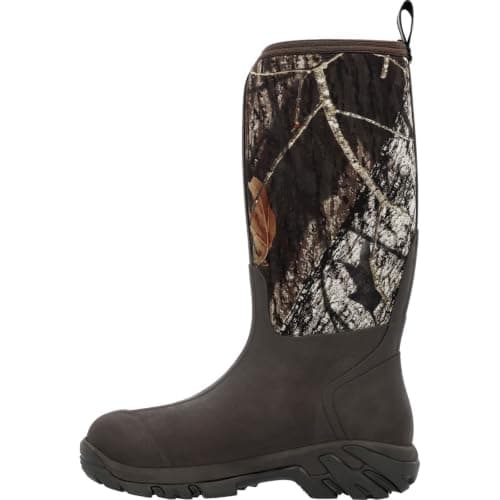
Muck boots for hunting
Neoprene specialists with the warmest published static ratings and the only ice-specific outsole here.
Rubber Boots
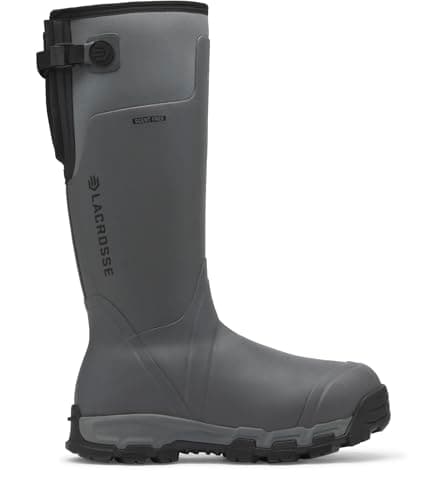
Muck or LaCrosse: the two rubber-boot specialists compared
Calf fit, rating systems, outsoles and abrasion - four real differences between the two rubber specialists.
Rubber Boots
The best rubber hunting boots
Six rubber boots ranked on height, calf fit, insulation and how each one eventually fails.
Rubber Boots
Rubber hunting boots for wide calves
Shoe size barely changes a knee boot's calf opening. Measure, then buy one of the few boots that genuinely adjusts.
Brands: want your product tested? For Brands.